Waking Up With a Puffy Face? Your Kidneys Could Be Trying to Tell You Something 👀
Most people have experienced waking up with a slightly puffy face after a late night, eating a salty meal, or getting too little sleep. In many cases, this type of swelling is temporary and goes away within a few hours.
However, if facial puffiness becomes a regular occurrence—especially around the eyes—it may be worth paying closer attention. Persistent morning swelling can sometimes be an early sign that your kidneys are not functioning as well as they should.
Why Do Kidney Problems Cause Facial Swelling?
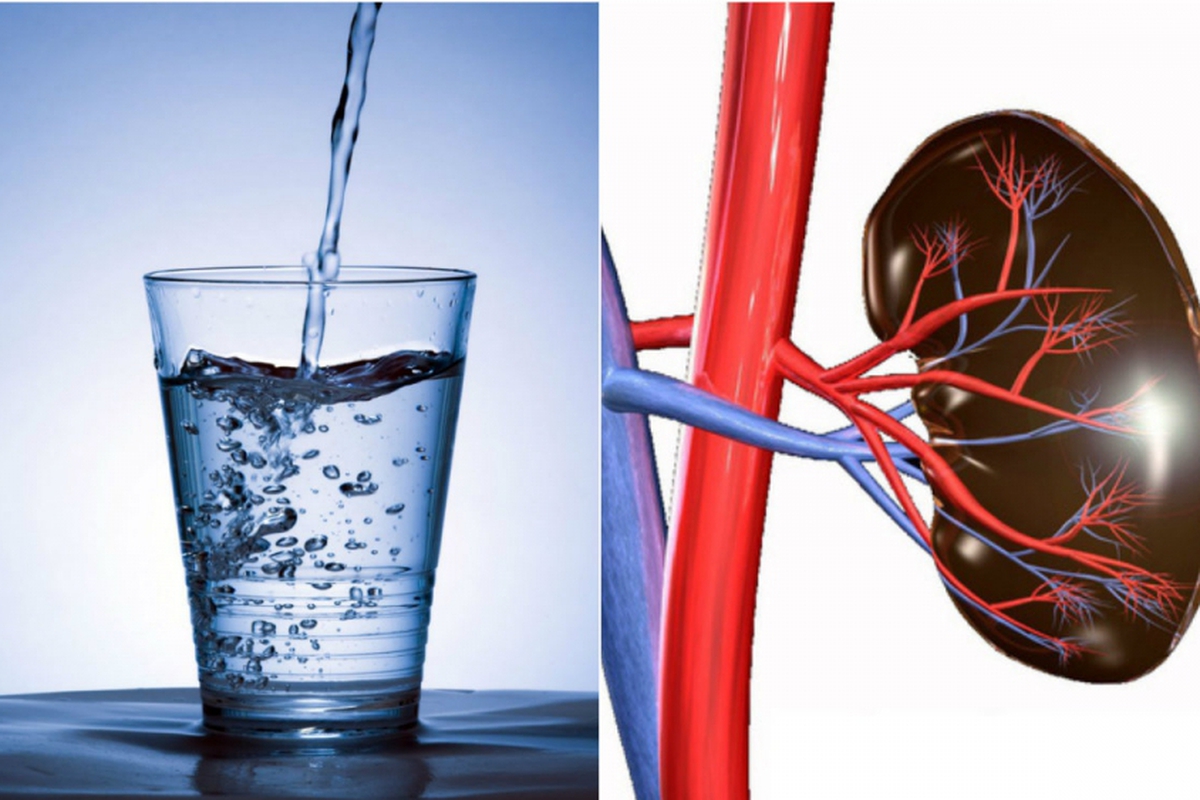
Your kidneys are responsible for filtering waste products and excess fluid from your blood. They also help regulate your body's salt and water balance.
When the kidneys become damaged or lose some of their filtering ability, excess fluid may begin to accumulate in the body's tissues. Because the skin around the eyes is particularly thin, fluid retention often becomes noticeable there first, making the face appear swollen when you wake up.
Although facial puffiness alone does not confirm kidney disease, it can be one of several symptoms that deserve medical evaluation.
Other Possible Signs of Kidney Disease
If morning facial swelling is accompanied by any of the following symptoms, it's important to consult a healthcare professional:
1. Swelling in the Feet, Ankles, or Legs
Fluid retention caused by reduced kidney function often affects the lower limbs. Shoes or socks may feel tighter than usual, and swelling may worsen throughout the day.
2. Changes in Urination
Pay attention if you notice:
- Urinating more or less often than normal
- Foamy or bubbly urine
- Blood in the urine
- Dark-colored urine
- Pain or discomfort during urination
These changes may indicate that your kidneys need further evaluation.
3. Persistent Fatigue

Healthy kidneys produce a hormone called erythropoietin, which helps the body make red blood cells. Kidney disease can reduce the production of this hormone, leading to anemia and ongoing fatigue.
4. High Blood Pressure
High blood pressure can both cause kidney disease and result from it. Poorly controlled blood pressure may gradually damage the kidneys over time.
5. Loss of Appetite or Nausea
As waste products build up in the bloodstream, some people experience nausea, reduced appetite, or an unpleasant metallic taste in the mouth.
6. Itchy Skin
Kidney dysfunction can lead to an imbalance of minerals and waste products, sometimes causing persistent itching without an obvious skin condition.
Not Every Puffy Face Means Kidney Disease
Fortunately, many cases of morning facial swelling have much simpler explanations.
Common causes include:
- Sleeping on your stomach or side
- Eating a salty dinner
- Alcohol consumption
- Seasonal allergies
- Sinus infections
- Crying before bed
- Hormonal fluctuations
- Certain medications
- Lack of sleep
These causes are generally harmless, and the swelling usually improves within a few hours.
When Should You See a Doctor?

You should seek medical advice if facial swelling:
- Happens almost every morning
- Continues throughout the day
- Is accompanied by swelling in your legs or feet
- Occurs with changes in urination
- Is associated with high blood pressure
- Comes with unexplained fatigue or shortness of breath
A healthcare provider may recommend blood tests, urine tests, blood pressure measurements, or imaging studies to determine whether your kidneys are functioning properly.
How to Support Healthy Kidneys
Simple lifestyle habits can help protect kidney health:
- Stay well hydrated.
- Limit excessive salt intake.
- Keep blood pressure and blood sugar under control.
- Exercise regularly.
- Avoid smoking.
- Use pain medications only as directed.
- Have routine health checkups if you have diabetes, hypertension, or a family history of kidney disease.
The Bottom Line
Waking up with a puffy face is often harmless and may simply reflect temporary fluid retention, allergies, or poor sleep. However, when facial swelling becomes frequent or is accompanied by symptoms such as changes in urination, swelling in the legs, fatigue, or high blood pressure, it could be an early sign of kidney disease.
Rather than ignoring persistent symptoms, consider discussing them with a healthcare professional. Early detection and treatment of kidney disease can help slow its progression and improve long-term health outcomes.
Sources: National Kidney Foundation; American Kidney Fund; Mayo Clinic; Cleveland Clinic.