What Determines the Color of an Egg?

The color of an egg’s shell - whether white, brown, or even blue or green in some rare breeds - is determined by the genetics of the hen. Different chicken breeds lay eggs of different colors:
-
White eggs are laid by hens with white feathers and white earlobes, such as the White Leghorn breed.
-
Brown eggs come from hens with red or brown feathers and red earlobes, such as the Rhode Island Red or Plymouth Rock breeds.
The pigments that the hen deposits on the eggshell during formation create the different colors, but these pigments do not affect what’s inside the egg.
Nutritional Differences Between Brown and White Eggs
Many people assume brown eggs are more nutritious or healthier than white eggs. However, scientific studies show that brown and white eggs have essentially the same nutritional content. Both contain similar amounts of:
-
Protein
-
Vitamins (such as B vitamins and vitamin D)
-
Minerals (like iron, phosphorus, and selenium)
-
Healthy fats
The diet and living conditions of the hen have a much greater impact on the nutritional quality of the egg than the color of the shell. For example, free-range or pasture-raised hens may produce eggs with higher omega-3 fatty acid content regardless of shell color.
Taste and Texture: Are Brown Eggs Better?
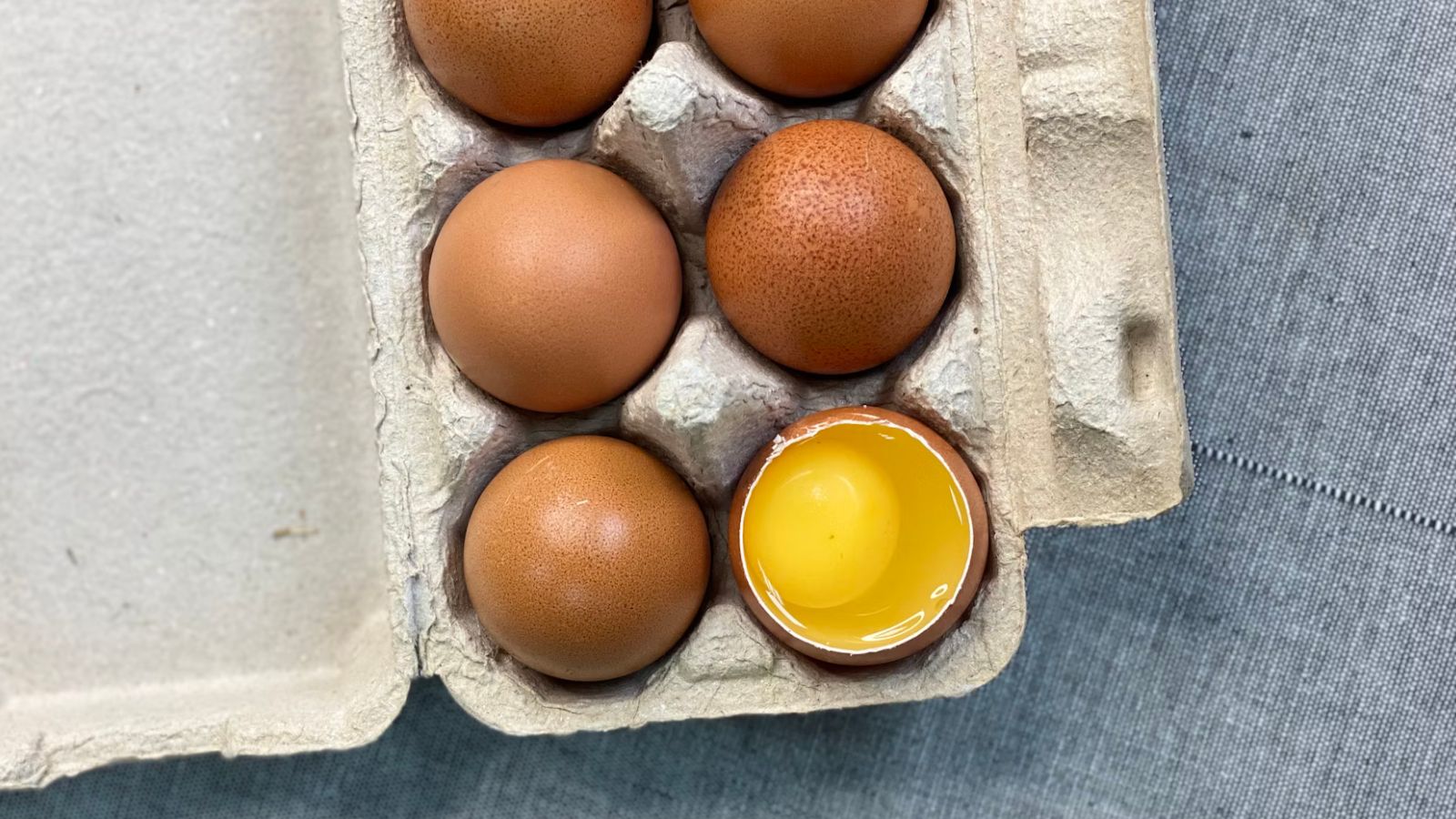
There is no inherent difference in taste or texture between brown and white eggs. Taste differences that some people notice usually result from the hen’s diet, freshness of the egg, and how it is cooked.
Shell Thickness and Egg Freshness
Brown eggs often have slightly thicker shells than white eggs. This can make them a bit more durable and less prone to cracking during transport. However, shell thickness varies widely depending on the hen’s age and diet, so this is not a strict rule.
Price Differences: Why Are Brown Eggs Sometimes More Expensive?
In some markets, brown eggs cost more than white eggs. This price difference is usually due to the breeds of hens that lay brown eggs generally being larger and requiring more feed, increasing production costs. Also, brown eggs are often marketed as more “natural” or “organic,” which can contribute to a higher price.
However, price does not indicate quality or nutritional value.
How to Choose the Best Eggs Regardless of Color
Instead of focusing on egg color, consider these factors when purchasing eggs:
-
Freshness: Check the sell-by or packing date on the carton. Fresher eggs taste better and are safer.
-
Source: Eggs from free-range, pasture-raised, or organic hens often have better nutritional profiles and animal welfare standards.
-
Storage: Eggs should be refrigerated and kept in their carton to maintain freshness.
-
Shell Integrity: Avoid eggs with cracked or dirty shells.
Conclusion
The color of an egg’s shell - brown or white - does not determine its quality, nutritional value, or taste. These characteristics are influenced more by the hen’s diet, living environment, and how fresh the egg is. Brown eggs are not inherently better or healthier than white eggs.
When shopping for eggs, focus on freshness, source, and proper storage to ensure you get the best eggs for your needs. So next time you pick up a carton of eggs, remember: whether brown or white, they can both be delicious and nutritious!
In addition, there are many ways to choose eggs when buying.
There are always red-shelled eggs and white-shelled eggs mixed together in a stack. Which type is better? Sometimes when we sell eggs, we notice that red eggs are priced higher than white ones. If we buy them mixed together, will we still make a profit? I specifically asked a farm owner, and he immediately revealed the secret to me. He said that judging eggs solely by their shell color is not enough. Today, I will share with you seven methods that farm owners often use to select eggs in this way. Everyone can choose delicious and nutritious eggs.
Method 1: Observe the Exterior Shape of the Egg
When buying eggs, you may notice dirt on the shell. Some people refuse to buy eggs if they think the shell is too dirty. In reality, the presence of some dirt may indicate that the egg is natural and healthy, not artificial. However, not all dirty eggs are good eggs.
If there are black spots on the shell, this means the egg is moldy and should not be purchased.
Method 2: Check If the Egg Is Cooked
Generally, eggs with cracks in supermarkets are sold at a special low price. Although cheap, it is not recommended to buy them because the inside of the egg is likely broken or spoiled.
Method 3: Shake the Egg
When buying eggs, you can gently lift the egg with two fingers and shake it left and right to feel its movement. If you feel a slight shake, it means the egg is fresh. If the egg doesn’t shake, it has likely been stored for a long time, so it’s better to buy eggs that have a slight shake.
Method 4: Smell the Egg
Normal eggs in supermarkets don’t have a special odor; some may even smell like chicken.
If you smell a strong fishy or foul odor, it means the egg inside is spoiled and should not be bought.
Method 5: Touch the Egg
Many people prefer eggs with smooth and clean shells when buying. However, this method is mistaken. Pick up the egg and feel it in your hand. If the shell has a matte coating, it means the egg is fresh, good, and suitable to buy. If the shell is especially smooth, you should be cautious as it might be a secondary processed egg or an artificial egg.
It is advised not to buy eggs based solely on their clean, smooth, and beautiful surface; otherwise, you may end up buying fake eggs.
Method 6: Look at the Size

When buying eggs, you will notice some are large and some are small. Large eggs are called native eggs, while small ones are called "baby chicken eggs." Baby chicken eggs are the first batch laid by hens during 100 to 130 days compared to other eggs. They have less fishy odor, higher lecithin content, and lower cholesterol, making them suitable for the elderly, children, and pregnant women. You can consider buying these.
Method 7: Look at the Color
Anyone who buys eggs can see that the color of each egg differs. Traditionally, people believe that only white-shelled eggs are genuine eggs laid by native chickens. In fact, this is not true.
The difference in color is due to the presence of brown protoporphyrin pigment in the eggshell. In reality, whether it is a red or white egg, as long as the egg is not spoiled, it can be chosen for purchase.