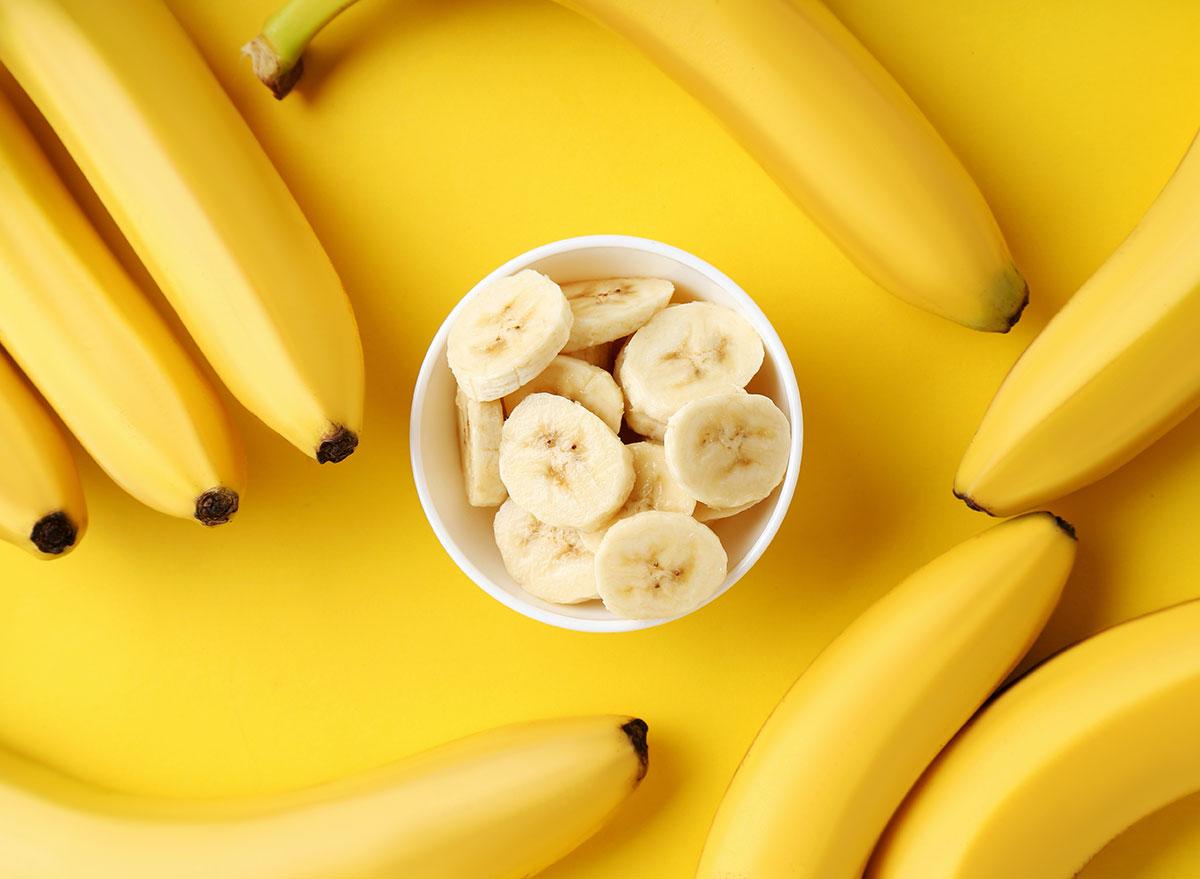
Bananas are one of the most accessible, affordable fruits—but they also carry a nutritional profile that directly intersects with blood pressure regulation. If eaten consistently, they can support cardiovascular health in subtle but meaningful ways. The key drivers are potassium intake, sodium balance, vascular tone, and overall diet context.
Here’s a clear, evidence-aligned breakdown of what daily banana consumption can (and can’t) do for your blood pressure.
1) Potassium Intake Goes Up—And That Matters
A medium banana provides roughly 350–450 mg of potassium.
Why potassium matters:
- Promotes vasodilation (relaxation of blood vessels)
- Increases urinary sodium excretion
- Supports electrical stability in the heart
Higher potassium intake is consistently associated with lower blood pressure, particularly in people who consume more sodium than recommended.
2) Improved Sodium–Potassium Balance
Blood pressure isn’t just about salt—it’s about the ratio of sodium to potassium.
Daily banana habit →
- Slightly lowers the sodium-to-potassium ratio
- Helps counterbalance salty foods common in modern diets
This is one of the mechanisms targeted by dietary approaches like the DASH Diet.
3) Modest Reduction in Blood Pressure (Over Time)
If bananas are part of a broader healthy diet, you may see:
- Small reductions in systolic and diastolic pressure
- Improved vascular function
Important:
The effect is typically modest, not dramatic. It’s one piece of a larger lifestyle puzzle.
4) Better Vascular Function
Potassium helps blood vessels:
- Relax more efficiently
- Respond better to changes in pressure
Over time, this supports endothelial function—a key factor in long-term cardiovascular health.
5) Indirect Benefits via Weight and Satiety
Bananas are:
- Naturally filling (fiber + carbs)
- Lower in calories than many processed snacks
Replacing ultra-processed foods with bananas can:
- Support weight management
- Reduce overall sodium intake
Both factors contribute to healthier blood pressure.

6) Stable Energy, Fewer Spikes
Compared to sugary snacks, bananas provide:
- More stable energy
- Less abrupt glucose spikes (especially when paired with protein)
Stable energy helps avoid stress-related spikes in blood pressure.
Who Benefits the Most?
Daily banana intake may be especially helpful for people who:
- Have mild hypertension
- Consume high-sodium diets
- Need to increase potassium intake
- Are improving overall diet quality
Who Should Be Cautious?
Bananas aren’t for everyone in large amounts.
Be careful if you have:
- Chronic Kidney Disease (potassium may accumulate)
- Certain medications affecting potassium balance
Always consult a healthcare provider if unsure.
How Many Bananas Per Day?
- 1 banana per day is generally safe and beneficial
- 2 can be fine depending on overall diet
- More than that should be balanced with other foods
Variety still matters.
What Bananas Alone Can’t Do
Let’s keep expectations realistic.
Bananas will NOT:
- Replace blood pressure medication
- Fix severe hypertension
- Offset a consistently poor diet
They work best as part of:
- Balanced nutrition
- Regular exercise
- Good sleep habits
Final Take
Eating a banana every day can support blood pressure by:
- Increasing potassium
- Improving sodium balance
- Supporting vascular health
But the effect is gradual and cumulative, not immediate.
Think of it this way:
A banana a day won’t transform your health overnight - but over time, it contributes to a system that keeps your blood pressure more stable.
And in cardiovascular health, small daily habits are what make the biggest long-term difference.