Symptoms in your feet like pain, numbness, or swelling, could be indicative of serious heart problems or clogged arteries. Peripheral artery disease (PAD) and coronary artery disease (CAD) are two serious types of atherosclerosis that might manifest in your feet and signal restricted blood flow from plaque in your arteries.1
AdvertisementUnderstanding Peripheral Artery Disease (PAD)
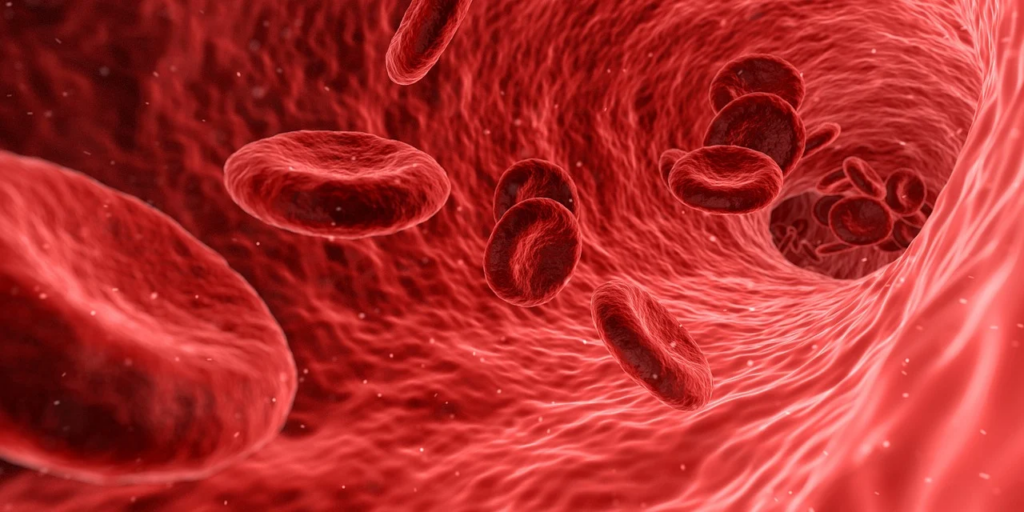 Credit: Pixabay
Peripheral artery disease is when plaque build-up leads to clogged arteries, causing significant discomfort and limited mobility in your extremities (usually your legs and feet). According to the Cleveland Clinic, PAD leads to leg and foot pain, cramping, and in severe cases progress, limb loss. If you’re experiencing symptoms like difficulty standing for long periods or having frequent leg cramps, you should seek medical screening for PAD.
Read More: Common Heartburn Drugs Linked to Early Death, Study Claims.
Testing for Clogged Arteries
 Credit: Pixabay
Identifying PAD early helps prevent serious complications. Physicians will check for it by measuring your pulse in your feet or by performing an ankle-brachial index (ABI) test. The ABI test uses ultrasound to compare the blood pressure in your ankle with the blood pressure in your arm, identify if there are any blockages or reduced blood flow further down the chain. If you have any family history of heart disease or PAD, or if you’re experiencing swelling in your feet or ankles, it could be a sign of clogged arteries or heart failure and warrants your immediate attention.
The Impact of Poor Circulation
 Credit: Pexels
Poor circulation can significantly affect your feet. Reduced blood flow deprives tissues of oxygen and nutrients which will lead to pain, numbness, tingling, and significantly slower wound healing. Plaque buildup creates clogged arteries, further restricting blood supply and contributing to PAD. Also, having weak heart function can cause peripheral edema, which results in swollen legs and feet. For diabetics, nerve damage from high blood sugar levels can make foot pain and numbness even worse, making it even more important to monitor and manage blood sugar levels.2
Preventive Measures for PAD and CAD
 Credit: Pixabay
Preventing PAD and CAD involves adopting a healthy lifestyle to prevent clogged arteries. Regular exercise and a balanced diet low in saturated and trans fats are great standards to strive for. The U.S. Department of Health and Human Services recommends at least 150 minutes of moderate exercise each week (which averages to about 20 minutes a day). Keep an eye on your blood sugar levels, avoid smoking, and consult your doctor for medications that will help manage conditions like blood pressure or cholesterol levels.
Read More: Man’s Chest Ignites during Open-Heart Surgery
Maintaining Heart Health for Healthy Feet
 Credit: Pexels
The relationship between your heart and feet is a two-way street. Maintaining a healthy heart ensures better blood flow to your extremities, and staying active and eating a healthy diet can take pressure off your heart and feet. No clogged arteries means your feet are happy, too. Regularly seeing your doctor can help manage any underlying conditions that might affect your cardiovascular and foot health. As always, being proactive can significantly improve your quality of life and help keep both your heart and feet in top condition.
Conclusion
 Credit: Pixabay
Always pay attention to what your body is telling you. Your feet can provide crucial insights into your cardiovascular health, you jus need to be listening. Pain, numbness, and swelling are all potential signals of serious heart problems or clogged arteries. Understanding the signs and taking preventive measures can protect your heart and ensure better overall health long term. If you notice any issues with your feet, talk to your doctor. Early detection and treatment are key to preventing severe complications.