Okra Is Nutritious—But It May Not Be Suitable for These 7 Types of People
Okra, also known as “lady’s finger,” is a popular vegetable praised for its impressive nutritional profile. Rich in fiber, vitamins C and K, folate, and antioxidants, okra supports digestion, boosts immunity, and may even help regulate blood sugar levels.
However, despite its many benefits, okra isn’t suitable for everyone. Certain individuals may need to limit or avoid it due to potential side effects or health concerns.
Here are 7 types of people who should be cautious when consuming okra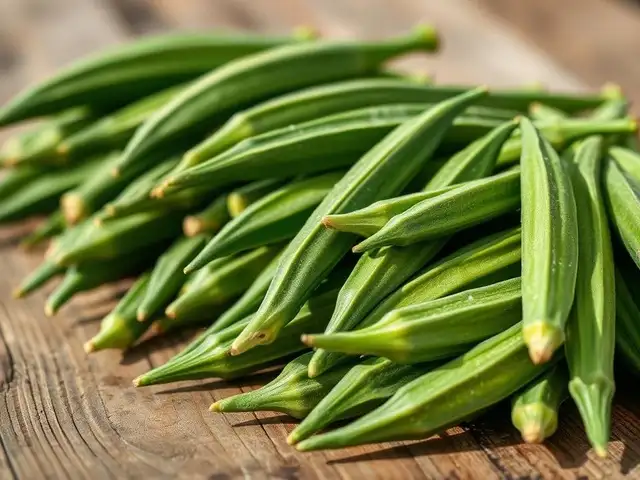
1. People with Kidney Stones
Okra contains oxalates, compounds that can contribute to the formation of kidney stones. For individuals prone to stones, especially calcium oxalate stones, eating too much okra may increase the risk of recurrence.
2. Individuals with Joint Problems
Okra contains a natural compound called solanine, which may worsen inflammation in some people. Those suffering from arthritis or joint pain might notice increased discomfort after consuming okra regularly.
3. People Taking Blood-Thinning Medication
Okra is high in vitamin K, a nutrient that plays a key role in blood clotting. This can interfere with medications like warfarin, reducing their effectiveness. If you’re on blood thinners, consult your doctor before adding large amounts of okra to your diet.
4. Individuals with Digestive Sensitivity
While okra is rich in fiber, it also contains fructans—types of carbohydrates that can cause bloating, gas, and discomfort, especially for people with sensitive digestive systems or IBS.
5. People with Diabetes on Medication
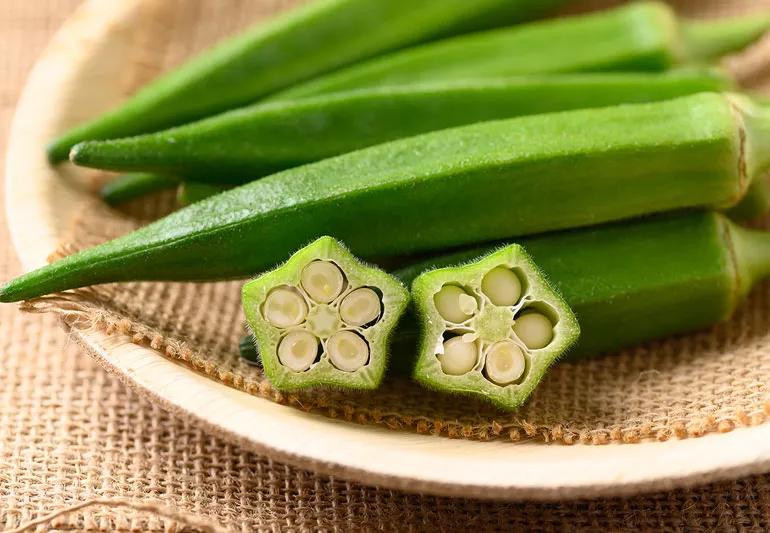
Okra may help lower blood sugar levels, which sounds beneficial. However, when combined with diabetes medications, it could cause blood sugar to drop too low (hypoglycemia). Monitoring intake is important.
6. Those with Allergies
Although rare, some people may have an allergic reaction to okra. Symptoms can include itching, swelling, or difficulty breathing. If you notice any unusual reactions, stop consuming it immediately and seek medical advice.
7. People with Iron Absorption Issues
Okra contains compounds that may interfere with iron absorption. Individuals with anemia or low iron levels should be mindful of how much okra they consume, especially when relying on plant-based iron sources.
Final Thoughts

Okra is undeniably a nutritious vegetable that can be a great addition to a balanced diet. However, like many healthy foods, it isn’t universally suitable. Understanding how your body responds and being aware of potential risks can help you make smarter dietary choices.
If you fall into any of the categories above, it doesn’t necessarily mean you must avoid okra entirely—but moderation and medical advice are key.