
Nighttime Habits That Increase Your Risk of Stroke
Within minutes, these cells can begin to die, leading to serious and often irreversible damage. While some stroke risk factors—such as age, genetics, and family history—are beyond our control, many everyday habits silently raise the danger. Some of the most harmful behaviors actually happen at night, when our bodies are meant to rest and recover.
Understanding these hidden nighttime risks is the first step toward prevention. Below are five common bedtime habits that could increase your stroke risk—and simple, science-backed ways to reduce that risk starting tonight.
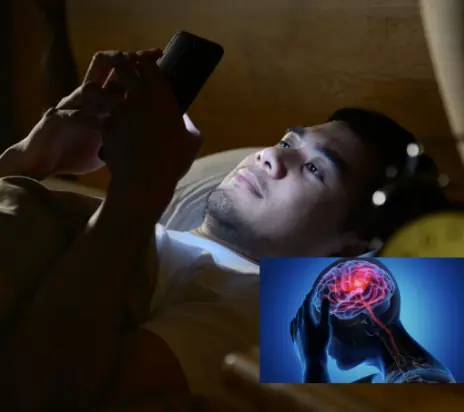
1. Going to Bed With High Blood Pressure
Why it’s risky:
High blood pressure (hypertension) is the leading modifiable risk factor for stroke. If your blood pressure remains elevated overnight, your arteries are under constant stress, increasing the chance of a rupture or clot formation while you sleep. Studies show that people with nighttime hypertension face a significantly higher stroke risk, even if their daytime readings are normal.

What to do instead:
✔️ Check your blood pressure regularly, including in the evening.
✔️ Take prescribed medication consistently—don’t skip doses.
✔️ Cut back on salty foods and avoid heavy meals before bed.
✔️ Try relaxation techniques like deep breathing or meditation to calm your nervous system.
✔️ Aim for at least seven hours of quality sleep, since poor sleep itself can raise blood pressure.
2. Skipping Hydration Before Bed
Why it’s risky:
When you’re dehydrated, your blood becomes thicker and moves more sluggishly through your vessels, which can encourage clot formation. Overnight, when you aren’t drinking water for several hours, mild dehydration can silently raise your stroke risk—especially if you’ve consumed caffeine or alcohol earlier in the evening.
What to do instead:
✔️ Sip a small glass of water about 30–60 minutes before bed.
✔️ Avoid excessive caffeine and alcohol, which act as diuretics.
✔️ Stay well-hydrated throughout the day so you don’t need to overcompensate at night.
✔️ If you wake up thirsty during the night, keep a glass of water on your bedside table.
3. Sleeping in an Uncomfortable or Unsafe Position
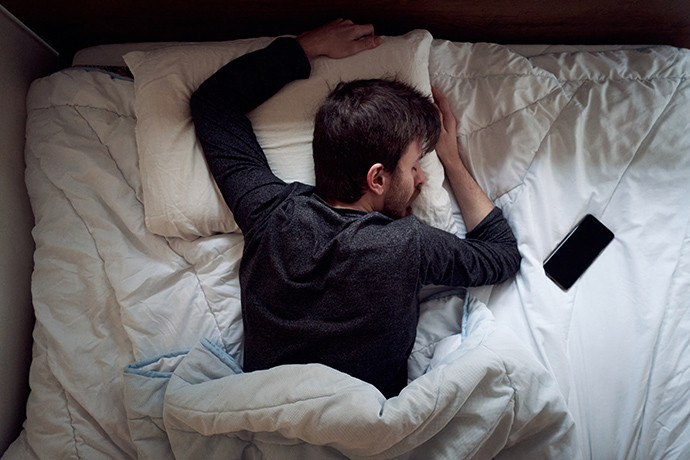
Why it’s risky:
Sleeping face down or twisting your neck can compress arteries and restrict blood flow to the brain. Over time, poor posture during sleep may strain your circulatory system and increase the risk of small clots or vascular damage. People who sleep with their arms pinned under their body or in an awkward position may also reduce blood flow to limbs and the brain.
What to do instead:
✔️ Sleep on your back or on your side—these positions support even circulation.
✔️ Use ergonomic pillows that align your spine and neck properly.
✔️ Change positions occasionally during the night to relieve pressure points.
✔️ If you snore or suffer from sleep apnea, seek medical advice, since oxygen deprivation at night is another major stroke risk.
4. Drinking Alcohol Before Bed
Why it’s risky:
While a nightcap may seem relaxing, alcohol actually raises blood pressure, disrupts your sleep cycle, and can trigger irregular heart rhythms such as atrial fibrillation—a major stroke risk factor. It also causes dehydration, compounding the problem.
What to do instead:
✔️ Avoid alcohol at least 3 hours before bedtime.
✔️ If you drink, do so moderately and with food to lessen the impact on your body.
✔️ Replace alcoholic drinks with calming alternatives like herbal tea, chamomile, or warm milk.
✔️ Build a relaxing nighttime ritual—reading, stretching, or listening to soothing music—to help your body wind down naturally.
5. Smoking Before Bed
Why it’s risky:
Smoking constricts blood vessels, increases clot formation, and reduces the amount of oxygen in your blood. When you smoke right before sleeping, these effects persist overnight, compounding the damage while your body is in its most vulnerable state.
What to do instead:
✔️ Seek professional help or support programs to quit smoking permanently.
✔️ If you’re struggling to quit, avoid cigarettes in the evening at the very least.
✔️ Consider nicotine replacement options, counseling, or mobile apps that track your progress.
✔️ Remember: within just 24 hours of quitting, your stroke risk begins to drop.
Final Thoughts
A stroke can strike without warning—often in the quiet hours of the night. But by recognizing and changing these nighttime habits, you can dramatically reduce your risk and protect your brain’s long-term health.
Take control of your evenings:
💧 Hydrate well.
💤 Sleep in a safe, supportive position.
❤️ Keep your blood pressure under control.
🚭 Avoid alcohol and smoking before bed.
Small, consistent changes tonight can safeguard your brain—and your future—tomorrow.
News in the same category


Severe headache, deep coma due to ruptured cerebral aneurysm

5 Alarming Stroke Warning Signs to Watch for in Young People
5 warning signs of stroke in young people you shouldn’t ignore

Could you be sensitive to gluten? Watch for these signs
Symptoms that may suggest gluten intolerance

Thyroid Health Warning: Soy Myths and 2 Supplements You Should Know About
Should You Avoid Soy with Thyroid Disease? The Truth About 2 Common Supplements

For stomach upset and indigestion, try cooking bananas this way to support smooth digestion and gut health
This simple banana method may help calm your stomach and improve digestion

What do Neck Lumps Mean

Fatty Liver: Causes, Symptoms, Treatment & Home Remedies

3 intimate habits of husbands that may increase wives' ri.sk of cer.vical can.cer: Stop before it's too late

Stroke cases have been rising among younger adults.
Stroke is often perceived as a condition that affects older adults, but in recent years, healthcare professionals have observed a gradual increase in cases among younger individuals.

9 Warning Signs of Diabetes You Shouldn’t Ignore
Diabetes can develop quietly, often showing up in ways that are easy to overlook. In its early stages, the condition might not cause dramatic or obvious symptoms, which is why so many people live with undiagnosed diabetes for months or even years.

What sleeping on the left side
Side sleeping is the go-to position of many people. However they may not be aware that this comes with certain health benefits.

Warning: rapid memory loss if you eat a lot of these foods

Black Toenail Explained: Causes, Meaning, and What to Do
Black Toenail: Causes, Warning Signs, and What You Should Do

Waking up at 3 or 4 a.m. regularly may be a clear sign of an underlying issue
Waking up in the middle of the night? Here’s what it could mean… see more

The timing of when you eat sweet potatoes can unlock impressive health benefits.
Eat sweet potatoes at these 4 times—and feel the difference

So, how many eggs should you eat each day?
Are you eating too many eggs? Here’s the right amount

The “Silent Threat” Many Women Miss — 9 Early Signs of Cervical Can.cer You Should Never Ignore
This “silent” condition often goes unnoticed at first
News Post

How Your Feet Could Be Signaling Heart Problems and Clogged Arteries
Your feet might not be the first place you think of when you hear “heart health”, but they can tell you a lot about your cardiovascular system.

Summer or winter, Japanese people wear socks to sleep — here’s why!

Severe headache, deep coma due to ruptured cerebral aneurysm

Never leave your charger plugged in without your phone - here are 6 reasons why
6 important reasons you shouldn’t keep a charger in the outlet without a device

Okra and Health: What Doctors Warn About Potential Side Effects
Doctors Caution: Possible Side Effects of Eating Okra You Should Know

5 Alarming Stroke Warning Signs to Watch for in Young People
5 warning signs of stroke in young people you shouldn’t ignore

Could you be sensitive to gluten? Watch for these signs
Symptoms that may suggest gluten intolerance

Spotting a centipede indoors? Here’s what it may be telling you
A centipede in your house could mean this - here’s why

Thyroid Health Warning: Soy Myths and 2 Supplements You Should Know About
Should You Avoid Soy with Thyroid Disease? The Truth About 2 Common Supplements

For stomach upset and indigestion, try cooking bananas this way to support smooth digestion and gut health
This simple banana method may help calm your stomach and improve digestion

What do Neck Lumps Mean

It’s Not Just Care… It’s Trust: The Quiet Power of Feeling Safe
How Trust Is Built Slowly—and Why It Lasts So Deeply

Fatty Liver: Causes, Symptoms, Treatment & Home Remedies

3 intimate habits of husbands that may increase wives' ri.sk of cer.vical can.cer: Stop before it's too late

These common substances may help keep snakes away if one enters your home
A snake in your house? Using these substances can help repel it fast

Stroke cases have been rising among younger adults.
Stroke is often perceived as a condition that affects older adults, but in recent years, healthcare professionals have observed a gradual increase in cases among younger individuals.

9 Warning Signs of Diabetes You Shouldn’t Ignore
Diabetes can develop quietly, often showing up in ways that are easy to overlook. In its early stages, the condition might not cause dramatic or obvious symptoms, which is why so many people live with undiagnosed diabetes for months or even years.

What sleeping on the left side
Side sleeping is the go-to position of many people. However they may not be aware that this comes with certain health benefits.
