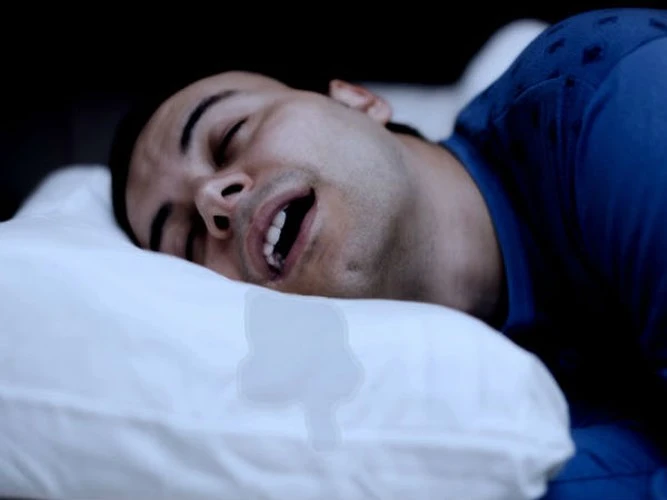
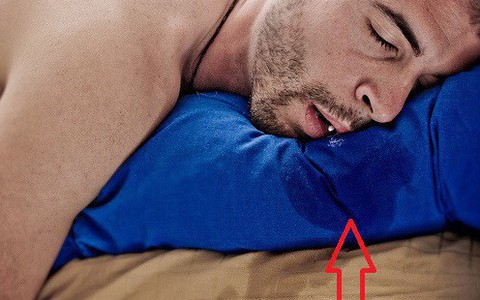
Waking up to a damp pillow once in a while is common. But frequent or excessive drooling during sleep (also called Sialorrhea) can point to issues with breathing, swallowing, or muscle control - especially if it’s new, worsening, or paired with other symptoms.
Below are 6 conditions commonly associated with nighttime drooling, plus what to watch for and what to do next.

1) Obstructive Sleep Apnea (OSA)
What it is: Repeated airway blockage during sleep → brief breathing pauses.
Why drooling happens: Mouth breathing and reduced swallow frequency at night.
Clues
- Loud snoring, choking/gasping
- Daytime fatigue, morning headaches
- Witnessed breathing pauses
Why it matters: Untreated Obstructive Sleep Apnea raises risks for hypertension and cardiovascular disease.
2) Sinus Congestion or Chronic Nasal Blockage
What it is: Blocked nasal passages from allergies, infections, or deviated septum.
Why drooling happens: You switch to mouth breathing.
Clues
- Stuffy or runny nose
- Postnasal drip, facial pressure
- Seasonal or chronic symptoms
Related conditions: Sinusitis, Allergic Rhinitis.
3) Gastroesophageal Reflux Disease (GERD)
What it is: Stomach acid flows back into the esophagus.
Why drooling happens: Saliva production can increase as a protective response.
Clues
- Heartburn, sour taste at night
- Hoarseness, chronic cough
- Symptoms worse when lying down
Condition: Gastroesophageal Reflux Disease.
4) Neurological Conditions Affecting Swallowing
What it is: Impaired control of facial or throat muscles.
Why drooling happens: Reduced swallow efficiency during sleep.
Clues
- Daytime drooling
- Difficulty swallowing (dysphagia)
- Slurred speech or facial weakness
Examples: Parkinson's Disease, post-stroke effects.
5) Medication Side Effects
What it is: Certain drugs increase saliva or relax muscles.
Why drooling happens: More saliva + less effective swallowing at night.
Common culprits
- Some antipsychotics
- Sedatives
- Certain neurological medications
What to do: Review meds with a clinician if symptoms started after a new prescription.
6) Sleep Position and Oral Factors
What it is: Non-medical factors that still matter.
Why drooling happens: Side/stomach sleeping + mouth open allows saliva to escape.
Clues
- Happens mostly when sleeping on one side
- Improves with position changes or better pillow support
- Possible dental alignment issues
When Is Drooling “Normal” vs. Concerning?
Often normal if:
- Occasional
- No other symptoms
- Clearly linked to sleep position or congestion
Worth checking if:
- New, persistent, or worsening
- Accompanied by snoring, choking, or daytime fatigue
- Paired with swallowing difficulty, weight loss, or neurological signs
What You Can Do First
- Address nasal blockage: saline rinse, manage allergies
- Adjust sleep position: try back or slight elevation
- Improve sleep hygiene: consistent schedule, avoid late heavy meals
- Review medications: with a professional if timing matches
- Consider a sleep evaluation: if apnea symptoms are present
Final Take
Frequent nighttime drooling isn’t always serious - but it’s often a useful clue. It can reflect how you’re breathing, how your muscles are working, or how your body is reacting during sleep.
If it’s persistent or comes with other symptoms, don’t ignore it - because small nighttime signs can point to bigger, fixable issues.