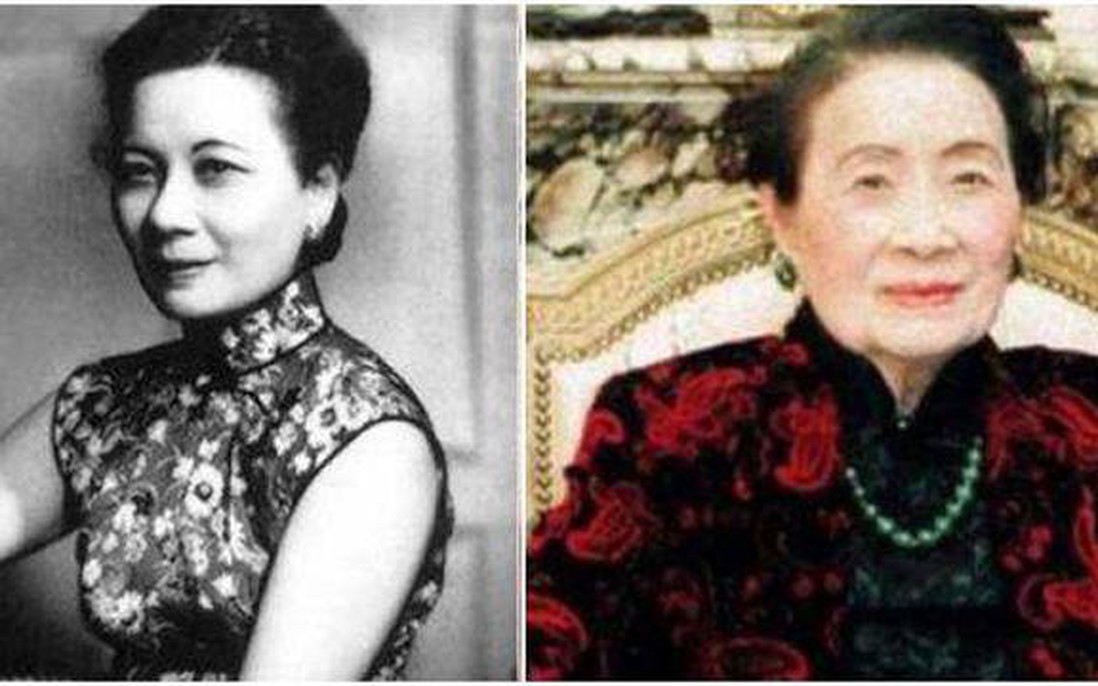
Diagnosed With Can.cer at 40, Lived to 106: The Dangerous Allure of “Miracle Foods” and Longevity Myths
Stories of extraordinary survival have always fascinated the public. Few narratives are more striking than that of a woman reportedly diagnosed with cancer in her forties who went on to live past the age of 100. In today’s digital media ecosystem, such stories are often packaged with sensational claims: one vegetable, three cheap drinks, and the promise to prevent multiple types of cancer. These headlines travel fast, generate clicks, and spark hope—but they also raise serious questions.
Longevity and cancer survival are complex phenomena shaped by genetics, access to healthcare, lifestyle, environment, and historical context. Reducing a life that spanned more than a century to a single dietary “secret” is not only misleading, but potentially harmful.
The Power—and Problem—of Simplified Narratives
Cancer is not one disease, but hundreds. Each type behaves differently, responds to different treatments, and carries different risk factors. To claim that a single vegetable can “prevent six types of cancer” ignores decades of medical research and risks distorting public understanding of health science.
Nutrition undeniably plays a role in disease prevention. Diets rich in vegetables, fruits, whole grains, and legumes are associated with lower cancer risk overall. Certain vegetables contain antioxidants, fiber, and phytochemicals that may help reduce inflammation or protect cells from damage. However, association is not causation, and no credible scientific body recognizes any single food as a cancer shield.
Yet viral headlines thrive on absolutes. They offer certainty in a world of uncertainty—and that is precisely their appeal.
Longevity Is Not a Formula
Living past 100 is rare, even today. Research on centenarians consistently shows that long life is influenced by a combination of factors: favorable genetics, moderate eating habits, physical activity, low smoking rates, social connection, and, importantly, luck.
Historical figures who lived long lives often had access to resources unavailable to the general population, including high-quality medical care, controlled diets, and reduced exposure to certain environmental risks. These advantages are frequently omitted in viral stories, replaced instead with a neat and marketable “secret.”
This selective storytelling creates a false sense of control: if you just eat the right thing or drink the right beverage, you too can outsmart cancer and time itself.
The Risk of False Hope
The most troubling aspect of such claims is their impact on vulnerable audiences. Cancer patients and their families are often desperate for hope. When sensational articles suggest that inexpensive foods or drinks can prevent or cure cancer, they risk encouraging people to delay medical treatment or distrust evidence-based care.
Medical professionals consistently warn against substituting folk remedies or internet advice for proper diagnosis and treatment. While healthy eating should be encouraged, it must never be framed as a replacement for oncology, screening, or medication.
Why These Stories Keep Going Viral
The formula is familiar: a respected historical figure, a dramatic diagnosis, an unexpectedly long life, and a simple solution hidden in plain sight. Add urgency—“doctors don’t want you to know this”—and the result is irresistible content.
Social media algorithms reward emotional reactions, not accuracy. As a result, nuanced scientific explanations struggle to compete with bold, shocking promises.
What a Responsible Message Looks Like
A responsible discussion of cancer prevention acknowledges uncertainty. It emphasizes patterns rather than miracles: balanced diets, regular exercise, reduced alcohol consumption, not smoking, early screening, and access to healthcare.
Vegetables are beneficial. Affordable drinks like tea may contain helpful compounds. But none of these are magic bullets.
Longevity is not unlocked by a single purchase at a market stall. It is built over decades, shaped by countless visible and invisible factors.
Conclusion
Stories of long life after serious illness can inspire—and they should. But inspiration must not be confused with instruction. When extraordinary lives are reduced to catchy nutritional myths, the truth is not just oversimplified; it is distorted.
In an age flooded with health information, skepticism is not cynicism—it is self-protection. Real prevention does not come from viral secrets, but from evidence, balance, and informed choices.