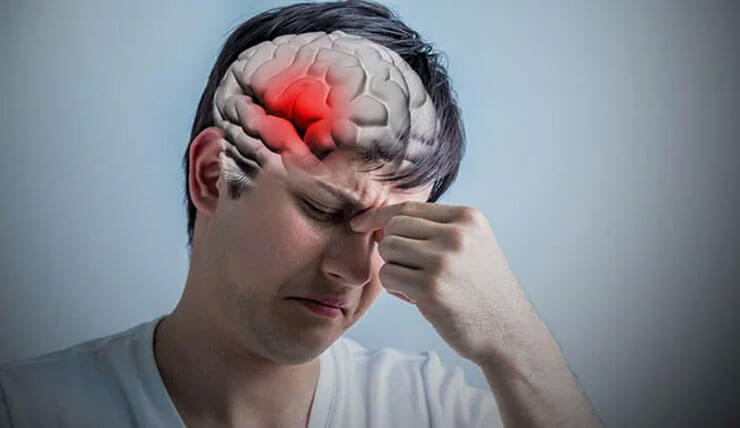
Stroke is often thought of as a medical emergency that mainly affects older adults. For a long time, age was considered the primary risk factor,
and younger people rarely imagined themselves at risk. However, this perception is changing rapidly. In recent years, doctors have reported a
steady rise in the number of young adults experiencing strokes, sometimes with little or no warning.
A stroke can happen suddenly, regardless of age, lifestyle, or fitness level. When it strikes, the consequences can be life-altering - or even fatal
- if treatment is delayed. That is why understanding the warning signs of stroke in young adults is so important. Early recognition and
immediate medical care can dramatically reduce brain damage and improve the chances of recovery.
This article explores the five most common warning signs of stroke in young adults, explains why they happen, and outlines steps that can
help reduce risk.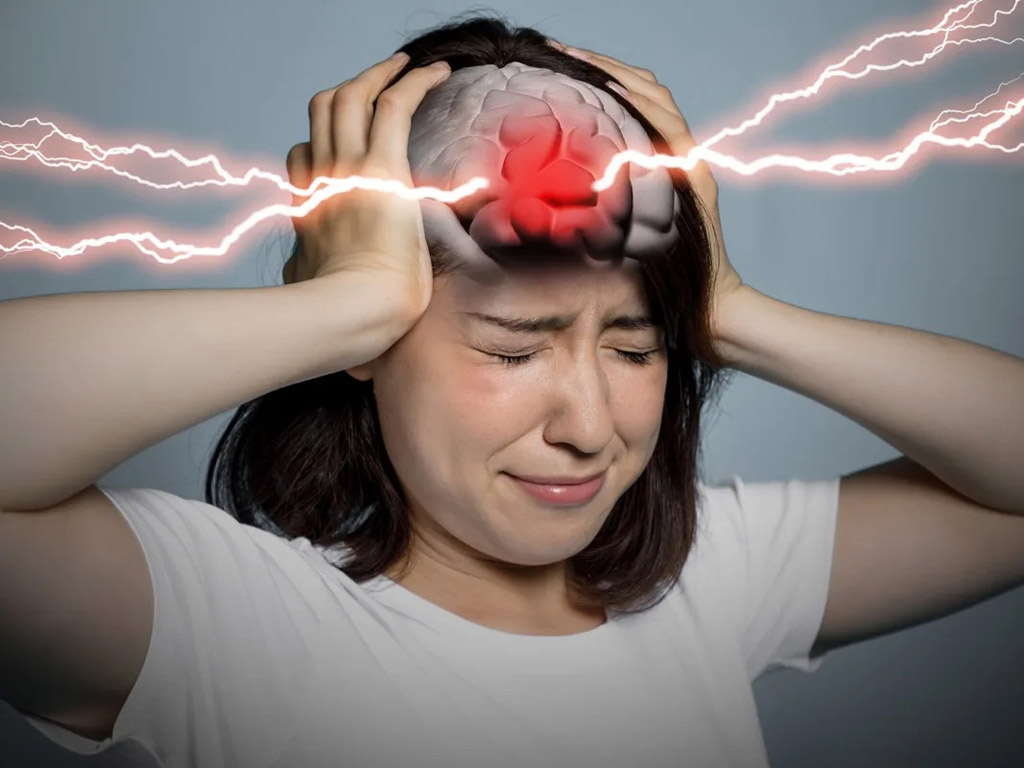
Why Strokes Are Increasing in Younger People
Modern lifestyles have introduced new risk factors for younger populations. High stress, sedentary habits, poor diet, smoking, substance use,
and unmanaged health conditions such as high blood pressure or diabetes are now more common at earlier ages. Combined with genetic
factors, these changes have made stroke a real and growing threat to people in their 20s, 30s, and 40s.
The danger lies in the assumption that “it can’t happen to me.” When symptoms are dismissed or ignored, precious time is lost.
1. Sudden Numbness or Weakness on One Side of the Body
One of the clearest and most common warning signs of a stroke is sudden numbness or weakness, especially affecting one side of the body.
This can involve the face, arm, or leg and often appears without warning.
A person may notice:
-
Difficulty lifting one arm
-
A drooping smile on one side of the face
-
Sudden loss of strength or sensation
This happens because blood flow to the part of the brain that controls movement has been disrupted. Without oxygen and nutrients, brain
cells begin to malfunction almost immediately.
What to do:
Call emergency services right away. Do not wait to see if the symptoms improve. Fast medical treatment can limit brain damage and save lives.
2. Sudden Difficulty Speaking or Understanding Speech
Another major red flag is sudden trouble with speech or comprehension. Young adults experiencing a stroke may begin to slur words,
speak incoherently, or struggle to find simple words. In other cases, they may be unable to understand what others are saying.
This condition, known as aphasia, occurs when a stroke affects areas of the brain responsible for language and communication.
What to do:
If speech becomes unclear or confusing, seek emergency medical help immediately. Early treatment can help preserve language function and
prevent long-term impairment.
3. Sudden, Severe Headache With No Clear Cause
A sudden and intense headache - often described as the worst headache of one’s life can also be a sign of stroke, particularly a
hemorrhagic stroke caused by bleeding in the brain.
This type of headache:
-
Appears abruptly
-
Feels different from typical migraines or tension headaches
-
May be accompanied by nausea, vomiting, or loss of consciousness
Although headaches are common, a sudden, severe headache in a young adult with no obvious cause should never be ignored.
What to do:
Seek emergency medical attention immediately. Delaying care in these cases can result in permanent brain injury or death.
4. Sudden Vision Problems
Strokes can also affect the parts of the brain responsible for vision. This may cause:
-
Blurred vision
-
Double vision
-
Sudden loss of vision in one or both eyes
These changes often occur without pain and may come on suddenly. Vision disturbances are especially concerning when they appear
alongside other stroke symptoms.
What to do:
Any sudden change in vision requires urgent medical evaluation. Prompt treatment can prevent permanent visual damage.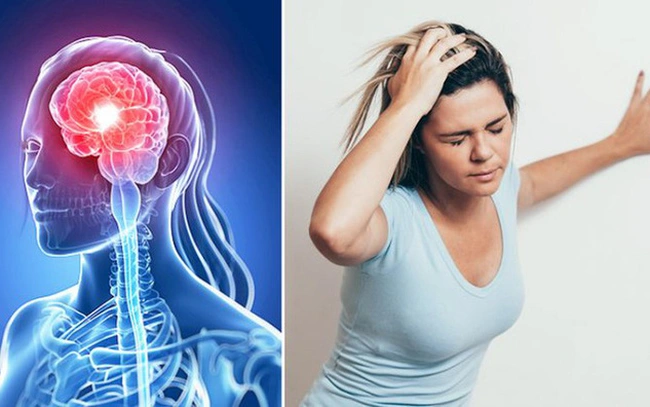
5. Sudden Dizziness, Loss of Balance, or Coordination
Sudden dizziness, difficulty walking, or loss of coordination can signal a stroke, particularly one affecting the brainstem or cerebellum.
A person may experience:
-
Trouble standing or walking straight
-
A spinning sensation
-
Sudden falls or loss of balance
Because these symptoms can resemble vertigo or fatigue, they are sometimes dismissed. However, when they appear suddenly, they may
indicate a serious neurological event.
What to do:
Sit or lie down immediately to avoid injury, and seek emergency medical care—especially if dizziness occurs with other stroke warning signs.
Risk Factors for Stroke in Young Adults
While stroke risk increases with age, younger adults may be vulnerable due to several factors, including:
-
High blood pressure
-
Smoking or vaping
-
Diabetes
-
High cholesterol
-
Obesity
-
Family history of stroke
-
Certain oral contraceptives, especially when combined with smoking
-
Illicit drug use, particularly stimulants such as cocaine
Managing these risks early plays a crucial role in prevention.
What to Do If You Suspect a Stroke
If a stroke is suspected, every minute matters. Brain cells begin to die quickly when deprived of oxygen, so rapid response is essential.
Remember the F.A.S.T. method:
-
F – Face: Ask the person to smile. Does one side droop?
-
A – Arms: Ask them to raise both arms. Does one arm fall?
-
S – Speech: Ask them to repeat a simple sentence. Is speech slurred or strange?
-
T – Time: If you see any of these signs, call emergency services immediately.
Conclusion
Strokes in young adults may be less common than in older populations, but they are far from rare and their impact can be just as
devastating. Recognizing the warning signs early can mean the difference between full recovery and lifelong disability.
No symptom should be ignored simply because of age. Sudden changes in movement, speech, vision, balance, or severe headaches deserve
immediate attention. With fast action and proper treatment, many young adults can survive a stroke and return to healthy, productive lives.
Awareness saves lives and when it comes to stroke, acting quickly can change everything.