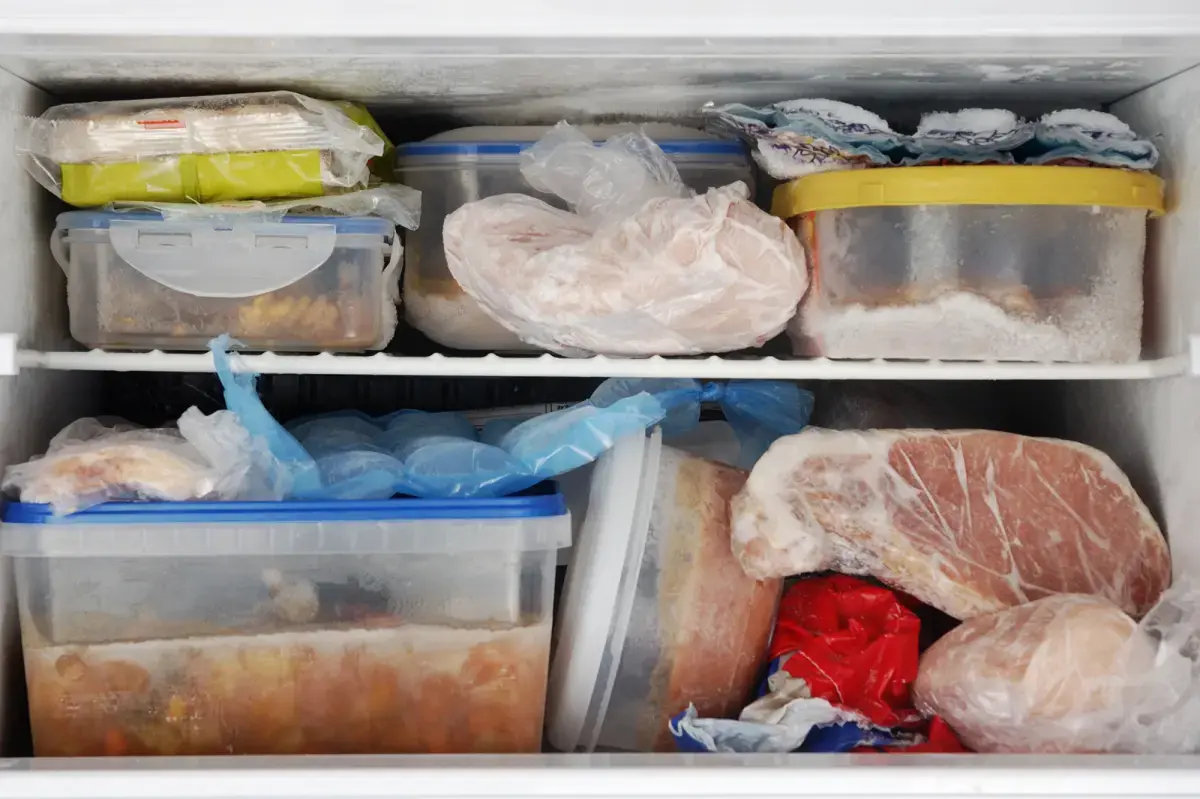
Man Dies After Eating Refrigerated Leftovers: A Stark Reminder About Food Safety at Home
A 50-year-old man has died after consuming refrigerated leftovers, in a shocking case that highlights the dangers of improper food storage. According to medical reports, the man developed severe complications shortly after eating food that had been stored overnight, even though the meal looked, smelled, and tasted normal. Health professionals now warn that even seemingly harmless leftovers can harbor life-threatening bacteria if not handled safely.
Why Leftovers Can Become Dangerous
Leftovers may appear perfectly fine — a normal smell or taste does not guarantee safety. Harmful bacteria can grow rapidly in cooked foods that are not refrigerated promptly or stored correctly. These microbes thrive in what experts call the “danger zone” — between 40°F and 140°F (4°C–60°C) — where many bacteria multiply fastest. If food is left at room temperature for longer than a couple of hours, dangerous levels of bacteria can develop without any visible signs of spoilage.
Some bacteria, such as Listeria monocytogenes, can even grow at refrigerator temperatures, making good storage practices critical.
Food Poisoning and Toxins That Don’t Go Away
Certain bacteria don’t just multiply — they produce toxins that remain in the food even if you reheat it. That means reheating leftovers that have been improperly stored may still be unsafe. For example, bacteria like Bacillus cereus can produce heat-stable toxins in starchy foods such as rice and pasta, leading to severe food poisoning syndromes known as “fried rice syndrome”.
These toxins are not destroyed by normal cooking temperatures, and eating food contaminated with them can quickly lead to symptoms such as vomiting, abdominal pain, fever, and dehydration — or worse.
How to Store Leftovers Safely
Health authorities and food safety experts emphasize these key guidelines:
1. Refrigerate Promptly:
Cooked food should be cooled and placed in the refrigerator within two hours after cooking. If the ambient temperature is above 90°F (32°C), this window drops to just one hour.
2. Use Airtight Containers:
Store leftovers in shallow, airtight containers to allow food to cool evenly and reduce bacterial growth.
3. Consume Within a Safe Timeframe:
Most refrigerated leftovers are safe for only 3 to 4 days. After that, the risk of bacterial contamination and foodborne illness increases significantly.
4. Reheat Thoroughly:
Leftovers should be reheated to an internal temperature of at least 165°F (74°C) to reduce the risk of surviving bacteria or toxins.
5. Know the High-Risk Foods:
Certain foods — especially cooked rice, pasta, eggs, dairy, and meats — are more likely to harbor dangerous bacteria if stored improperly. Experts caution extra care with these items.
Health Symptoms to Watch For
If someone develops gastrointestinal symptoms such as abdominal pain, vomiting, diarrhea, fever, or difficulty breathing after consuming leftovers, immediate medical attention is critical. These symptoms may indicate serious foodborne illness, which can escalate quickly, especially in older adults or people with weakened immune systems.
A Preventable Tragedy
This tragic death serves as a stark reminder: food safety at home is just as important as hygiene in restaurants. Many people mistakenly assume that refrigeration makes leftovers safe indefinitely — but chilling slows bacterial growth; it doesn’t stop it completely.
Proper storage, careful handling, and awareness of how long leftovers remain safe can literally be a matter of life and death. Being cautious and informed about food storage isn’t just common sense — it’s essential for protecting your health and the health of your family.