These bacteria may be present on their bodies or in their droppings.
The risk of infection is associated with transferring contaminated material to the mouth or food.
This is why basic hygiene matters.
If a gecko has walked across a food-preparation surface, clean and disinfect the area.
Wash your hands after cleaning droppings or handling objects contaminated by animal waste.
Children should be discouraged from touching wild reptiles.
People who are more vulnerable to severe infections, including young children and individuals with weakened immune systems, should take particular care around reptiles and their waste.
What About Gecko Droppings?
Gecko droppings are generally small, dark pellets, sometimes with a white portion at one end.
They may appear on floors, walls, shelves, and underneath locations where the animal frequently rests.
Although a small amount of droppings may not seem significant, it should not be allowed to accumulate near food or household surfaces.
Wear disposable gloves when cleaning them.
Avoid sweeping or brushing dry droppings in a way that creates dust.
Use an appropriate household disinfectant according to its instructions, and wash your hands afterward.
Can a Gecko Fall on Someone?
Geckos can occasionally lose their grip or fall from ceilings and walls.
This can surprise people, especially when the animal appears unexpectedly above a bed or dining table.
However, a falling gecko is not a sign of danger or a supernatural warning.
It may simply have lost its grip while moving.
Keeping food covered and cleaning surfaces regularly are sensible precautions.
There is no need to panic if a gecko accidentally falls nearby.
Should You Be Worried if a Gecko Enters Your Bedroom?
For most people, a small house gecko entering a bedroom is not a major health threat.
However, it is understandable that some people feel uncomfortable sharing a sleeping space with a reptile.
If possible, open a window or door that leads outside and allow the animal to leave.
Avoid chasing it aggressively because this may cause it to hide in a harder-to-reach location.
If you cannot remove it safely, consider asking someone experienced with humane wildlife handling for assistance.
7. What Should You Do When a Lizard Enters Your House?
Seeing a small lizard on the wall does not require an emergency response.
In most situations, there is no need to kill it, spray it with chemicals, or attempt to catch it with your hands.
A calm approach is usually more effective.
Step 1: Give the Animal Space
The first thing to remember is that the gecko is probably more frightened of you than you are of it.
Avoid making sudden movements or trying to grab its tail.
Many lizards can shed their tails as a defensive response.
This behavior is known as tail autotomy.
The detached tail may continue moving for a short period, distracting a predator while the lizard escapes.
Although some geckos can regenerate their tails, the process requires energy and does not always produce an identical replacement.
There is no reason to cause this stress unnecessarily.
Step 2: Open a Suitable Exit
If the animal is near a door or window, create a clear route outside.
Move slowly and avoid blocking its escape path.
The gecko may leave on its own once it recognizes an available opening.
If it remains still, give it time.
Chasing it around the room may only make it disappear behind furniture or into a narrow gap.
Step 3: Use a Container if Necessary
If the animal is in a location where it cannot easily escape, a container and a piece of stiff cardboard may help.
Only attempt this if you can do so safely and identify the animal as a small, harmless house gecko.
Place the container gently over the animal without crushing it.
Slide the cardboard underneath to create a temporary barrier.
Keep your hands away from the animal.
Then move it to a suitable sheltered outdoor location.
If the reptile is unfamiliar, unusually large, injured, or difficult to identify, do not attempt to handle it.
Step 4: Clean the Area
After the gecko leaves, check the area for droppings.
Clean affected surfaces and wash your hands.
If the animal has been near food or kitchen equipment, pay particular attention to hygiene.
Step 5: Find Out How It Entered
One gecko may simply be an occasional visitor.
Repeated appearances suggest that the property provides easy access, food, or shelter.
Inspect:
-
Window frames.
-
Door gaps.
-
Ventilation openings.
-
Roof edges.
-
Spaces around pipes.
-
Gaps behind cabinets.
-
Areas near outdoor lighting.
Finding the entry point is often more useful than repeatedly trying to remove individual animals.
8. How to Prevent Lizards From Frequently Entering Your Home
If you prefer not to have geckos indoors, there are several practical steps you can take.
The goal should be to make the home less attractive to insects and reduce the openings through which small reptiles can enter.
Keep Outdoor Lights Under Control
Outdoor lights can attract flying insects.
If insects gather near a balcony, entrance, or window, geckos may follow.
Consider switching off unnecessary lights when they are not being used.
Where appropriate, use outdoor lighting designed to reduce the attraction of certain insects.
Positioning lights farther from doors and windows may also help.
Install Proper Window Screens
Window screens are among the most useful ways to reduce unwanted animal entry.
They can prevent many insects from entering while allowing ventilation.
Check screens regularly for tears or loose edges.
Even a small damaged section may provide an opening.
Seal Gaps Around Doors and Windows
Weather stripping and door sweeps can help close small gaps.
Inspect areas around window frames, pipes, ventilation openings, and air-conditioning equipment.
Use suitable sealing materials for the particular location.
Ventilation should not be blocked simply to prevent geckos from entering.
Instead, install appropriate mesh screens that allow air to circulate.
Reduce Insects Around the Property
Because insects are an important food source, reducing insect activity may make the house less attractive to geckos.
Practical measures include:
-
Emptying garbage regularly.
-
Keeping food in sealed containers.
-
Cleaning crumbs and food spills.
-
Fixing leaking taps.
-
Removing standing water where mosquitoes can breed.
-
Maintaining clean drains.
-
Keeping outdoor areas tidy.
These measures can improve household hygiene while also reducing the availability of prey.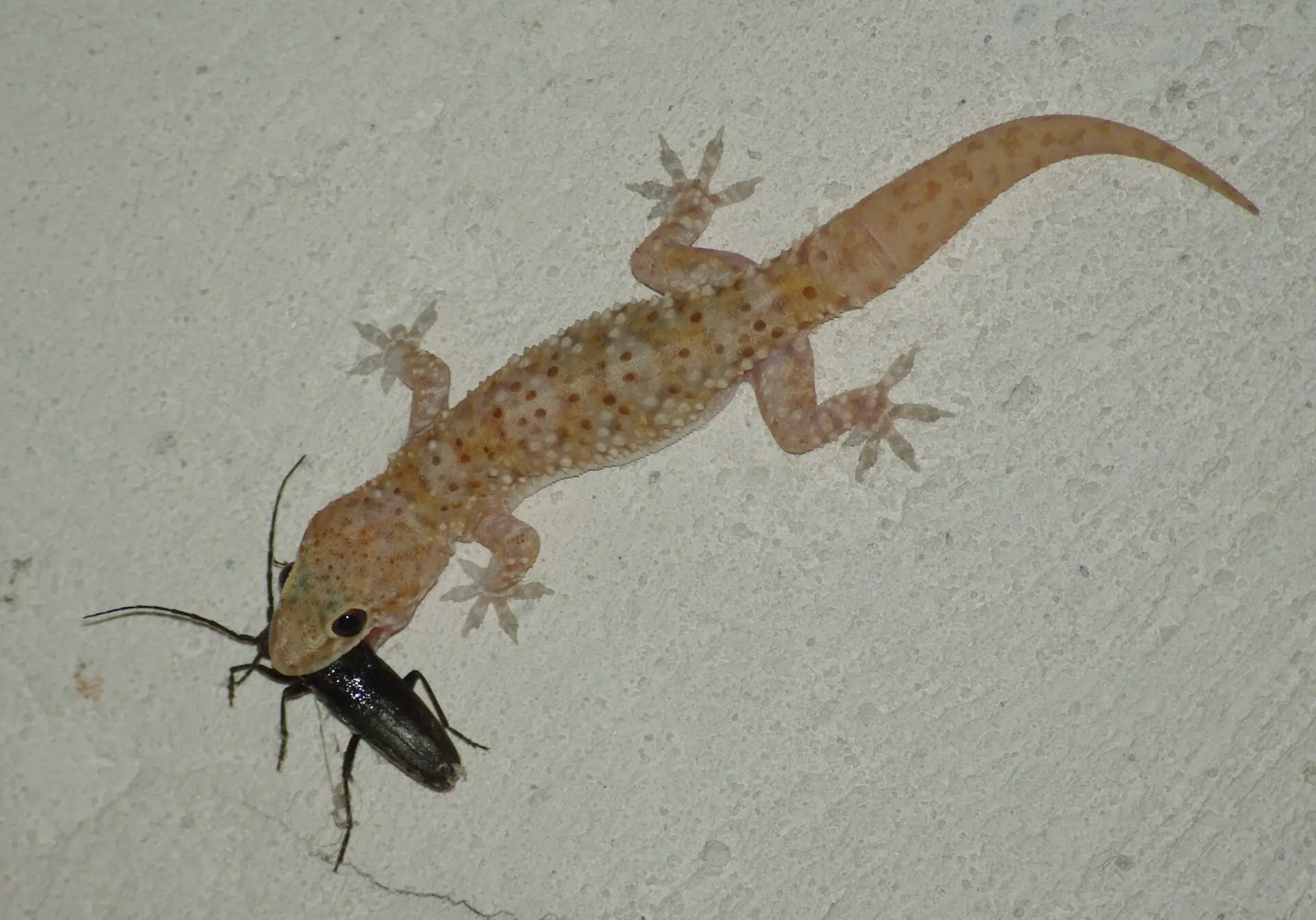
Reduce Unnecessary Clutter
Boxes, unused furniture, and piles of stored materials can provide hiding places for insects and small reptiles.
Organize storage areas and clean corners that are rarely inspected.
Pay particular attention to spaces behind cabinets and appliances.
A less cluttered environment is easier to inspect and maintain.
Maintain the Garden
Plants and shrubs growing directly against windows or doors can provide routes for small animals.
Trimming vegetation around entrances may reduce access.
However, it is not necessary to remove every plant or tree.
A well-maintained garden can support local wildlife while keeping the immediate entrance areas easier to manage.
Avoid Excessive Chemical Repellents
Some people use strong sprays or homemade mixtures in an attempt to repel lizards.
These products may be ineffective and can create unnecessary exposure risks for children, pets, and other household members.
Do not spray chemicals directly onto geckos or use substances that could poison animals.
Physical prevention, cleaning, and insect management are generally more sensible approaches.
9. Why Do Some People Believe a Lizard's Visit Is Connected With Money or Prosperity?
Among the most widely repeated interpretations of an animal entering a house is the idea that it may be connected with wealth or prosperity.
In some families, a gecko appearing unexpectedly is treated as a positive symbol.