What Your Stool Color Reveals About Your Digestive and Overall Health 🧐
Most people don't spend much time thinking about the color of their stool. However, changes in stool color can sometimes provide valuable clues about what's happening inside the body.
While occasional variations are often linked to diet and are usually harmless, persistent or unusual changes may signal digestive issues, infections, medication effects, or other underlying health conditions.
Here's what different stool colors may mean and when it's worth paying attention.
Brown Stool: Usually a Sign of Normal Digestion
Healthy stool is typically various shades of brown.
This color comes from bile, a digestive fluid produced by the liver and stored in the gallbladder. As bile travels through the digestive system, it changes color and helps create the familiar brown appearance of stool.
In most cases, brown stool indicates that the digestive system is functioning normally.
Green Stool: Often Related to Diet or Digestion Speed
Green stool can occur for several reasons.
Common causes include:
- Eating large amounts of leafy green vegetables
- Consuming foods with green food coloring
- Taking iron supplements
- Rapid movement of food through the intestines
When food passes too quickly through the digestive tract, bile may not have enough time to break down completely, resulting in a green appearance.
Occasional green stool is usually not a cause for concern.
Yellow Stool: Sometimes Linked to Fat Absorption Problems
Yellow or greasy-looking stool may indicate that the body is not properly digesting or absorbing fats.
Possible causes include:
- Digestive disorders
- Pancreatic problems
- Certain infections
- Conditions affecting nutrient absorption
Yellow stool that is persistent, foul-smelling, or accompanied by weight loss should be evaluated by a healthcare professional.
Black Stool: Not Always Harmless
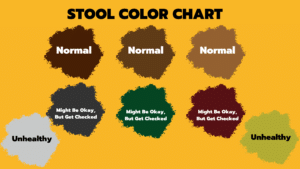
Black stool can sometimes result from:
- Iron supplements
- Certain medications
- Foods such as black licorice or blueberries
However, black, tarry stool can also indicate bleeding in the upper digestive tract.
When bleeding occurs in the stomach or upper intestines, blood may darken as it moves through the digestive system.
Any unexplained black stool deserves medical attention.
Red Stool: Sometimes Food, Sometimes Blood
Red stool can occasionally be caused by foods such as:
- Beets
- Cranberries
- Tomato-based products
- Red food coloring
However, bright red stool may also indicate bleeding in the lower digestive tract.
Potential causes include:
- Hemorrhoids
- Anal fissures
- Inflammatory bowel disease
- Other gastrointestinal conditions
If red stool appears without an obvious dietary explanation, it's important to consult a healthcare provider.
Pale, Clay-Colored, or White Stool
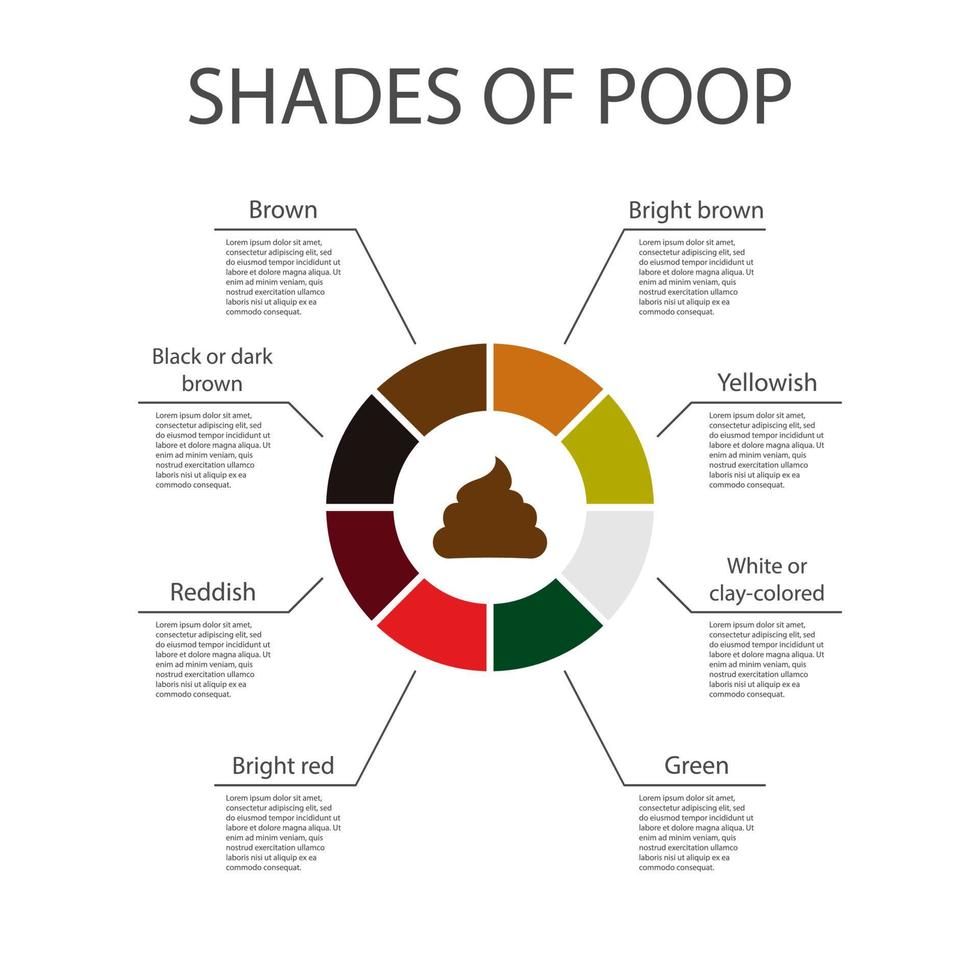
Very light-colored stool may indicate a problem involving bile production or bile flow.
Potential causes include:
- Bile duct obstruction
- Gallbladder disorders
- Liver disease
- Certain medications
Because bile contributes significantly to normal stool color, a lack of bile can result in pale or clay-colored stools.
Persistent pale stool should be medically evaluated.
When Diet Is the Cause
Many stool color changes are temporary and directly related to what you've recently eaten.
Foods known to affect stool color include:
- Spinach and kale (green)
- Beets (red)
- Blueberries (dark or black)
- Artificial food coloring
- Iron supplements
Keeping track of recent dietary changes can often help explain unusual stool colors.
Other Symptoms That Matter
Color alone doesn't tell the entire story.
Pay attention if stool color changes are accompanied by:
- Abdominal pain
- Unexplained weight loss
- Persistent diarrhea
- Constipation
- Fever
- Fatigue
- Blood in the stool
These symptoms may provide important clues about underlying digestive or medical conditions.
When to Contact a Doctor
Consider seeking medical advice if you experience:
- Black, tarry stool
- Persistent red stool
- Pale or clay-colored stool
- Ongoing yellow stool
- Stool color changes that continue for several weeks
- Accompanying digestive symptoms
Early evaluation can help identify potential issues before they become more serious.
The Bottom Line
Your stool color can offer valuable insights into your digestive and overall health. While many color changes are harmless and related to diet, persistent or unexplained changes may signal problems involving digestion, nutrient absorption, bile flow, or gastrointestinal bleeding.
Paying attention to these changes doesn't mean panicking—it simply means staying informed about the signals your body may be sending. If something seems unusual or persists over time, consulting a healthcare professional is always the safest approach.