For centuries, people around the world have turned to herbs, spices, and plant leaves as part of traditional wellness practices. Among the many combinations that continue to attract attention is a simple blend made from mango leaves, cinnamon, and guava leaves. Each ingredient contains naturally occurring plant compounds, vitamins, minerals, and antioxidants that have been studied for their potential health-supporting properties.
While this herbal blend has a long history in traditional medicine in various cultures, it's important to remember that no herbal tea or natural remedy can prevent, treat, or cure disease on its own. The best evidence supports using these ingredients as part of a healthy lifestyle that includes a balanced diet, regular exercise, adequate sleep, and routine medical care.
Let's take a closer look at what each ingredient offers and how they may contribute to overall wellness.
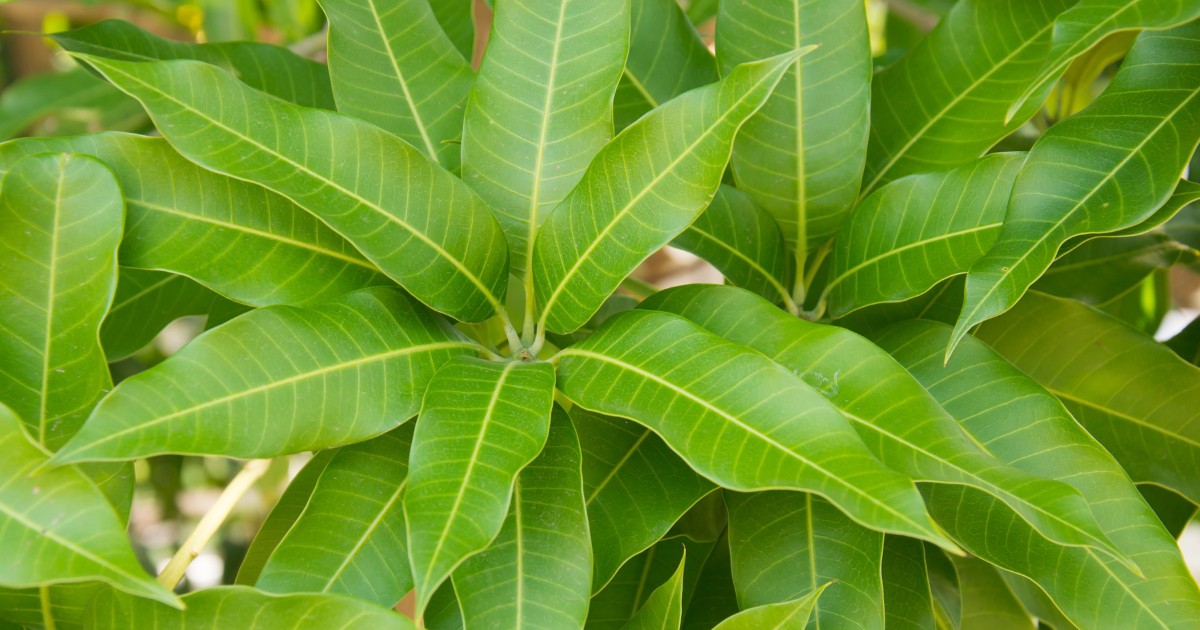
1. Mango Leaves
Although mangoes are famous for their sweet fruit, the leaves of the mango tree have also been used in traditional herbal practices for generations.
Mango leaves contain a variety of naturally occurring plant compounds, including:
-
Polyphenols
-
Flavonoids
-
Mangiferin
-
Vitamin C
-
Vitamin A (in small amounts)
-
Antioxidants
One of the most studied compounds in mango leaves is mangiferin, a plant polyphenol with antioxidant properties.
Potential Benefits
Research is still ongoing, but laboratory and animal studies have explored whether compounds in mango leaves may help support:
-
Healthy antioxidant defenses
-
Normal inflammatory responses
-
Cardiovascular health
-
Healthy blood sugar metabolism
More human studies are needed before firm conclusions can be made.
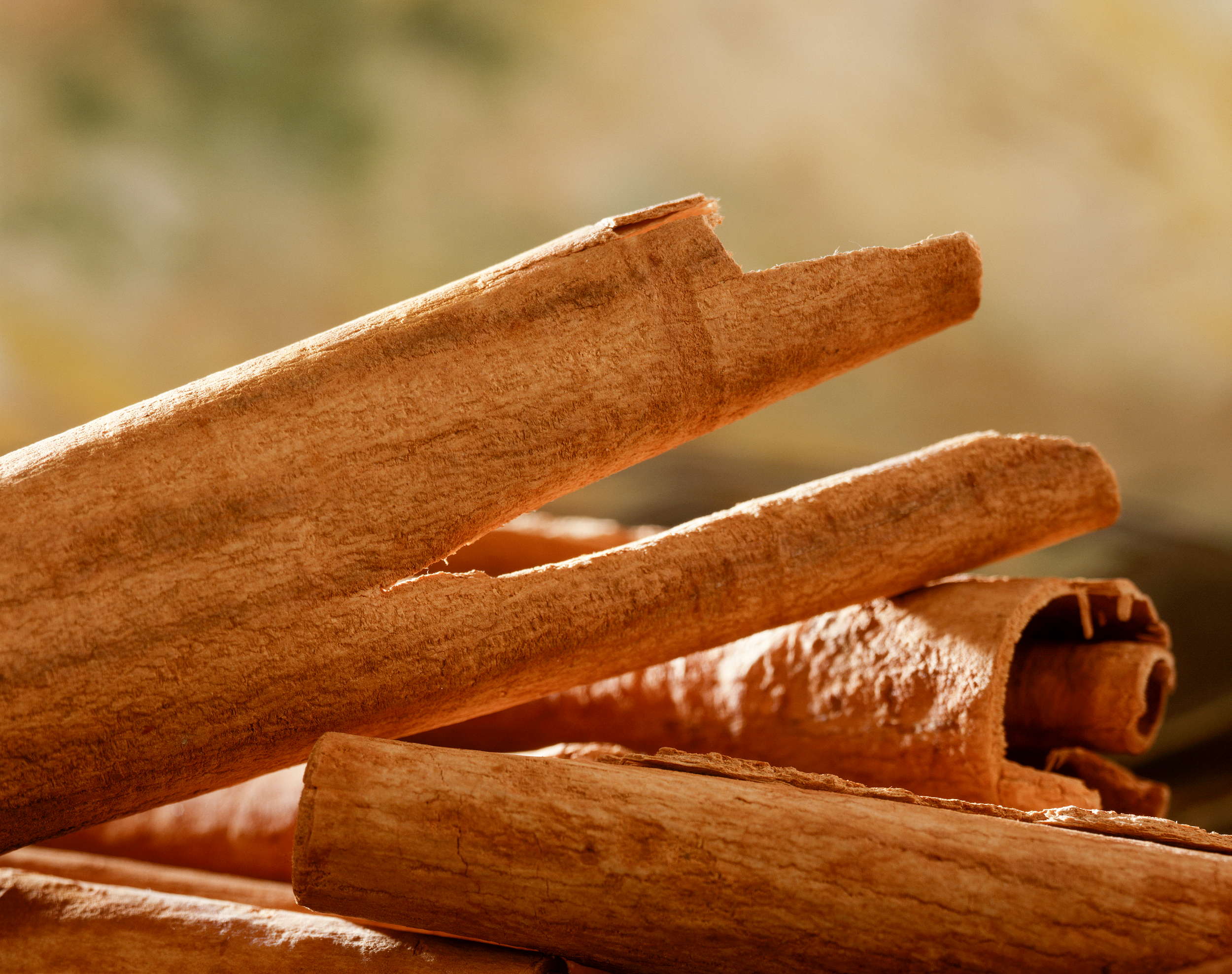
2. Cinnamon
Cinnamon is one of the world's oldest and most widely used spices.
In addition to adding warmth and flavor to foods, it contains several naturally occurring compounds, including:
-
Cinnamaldehyde
-
Polyphenols
-
Antioxidants
-
Manganese
Potential Benefits
Research suggests cinnamon may contribute to:
-
Healthy blood sugar regulation in some individuals
-
Antioxidant protection
-
Heart-healthy eating patterns
-
Normal inflammatory responses
However, cinnamon should not replace medications prescribed for diabetes or other medical conditions.
Choosing Cinnamon
There are two common varieties:
-
Ceylon cinnamon, often called "true cinnamon"
-
Cassia cinnamon, the type most commonly sold in supermarkets
Cassia cinnamon contains higher amounts of coumarin, a naturally occurring compound that may affect the liver if consumed in very large quantities over long periods.
Moderation is recommended.
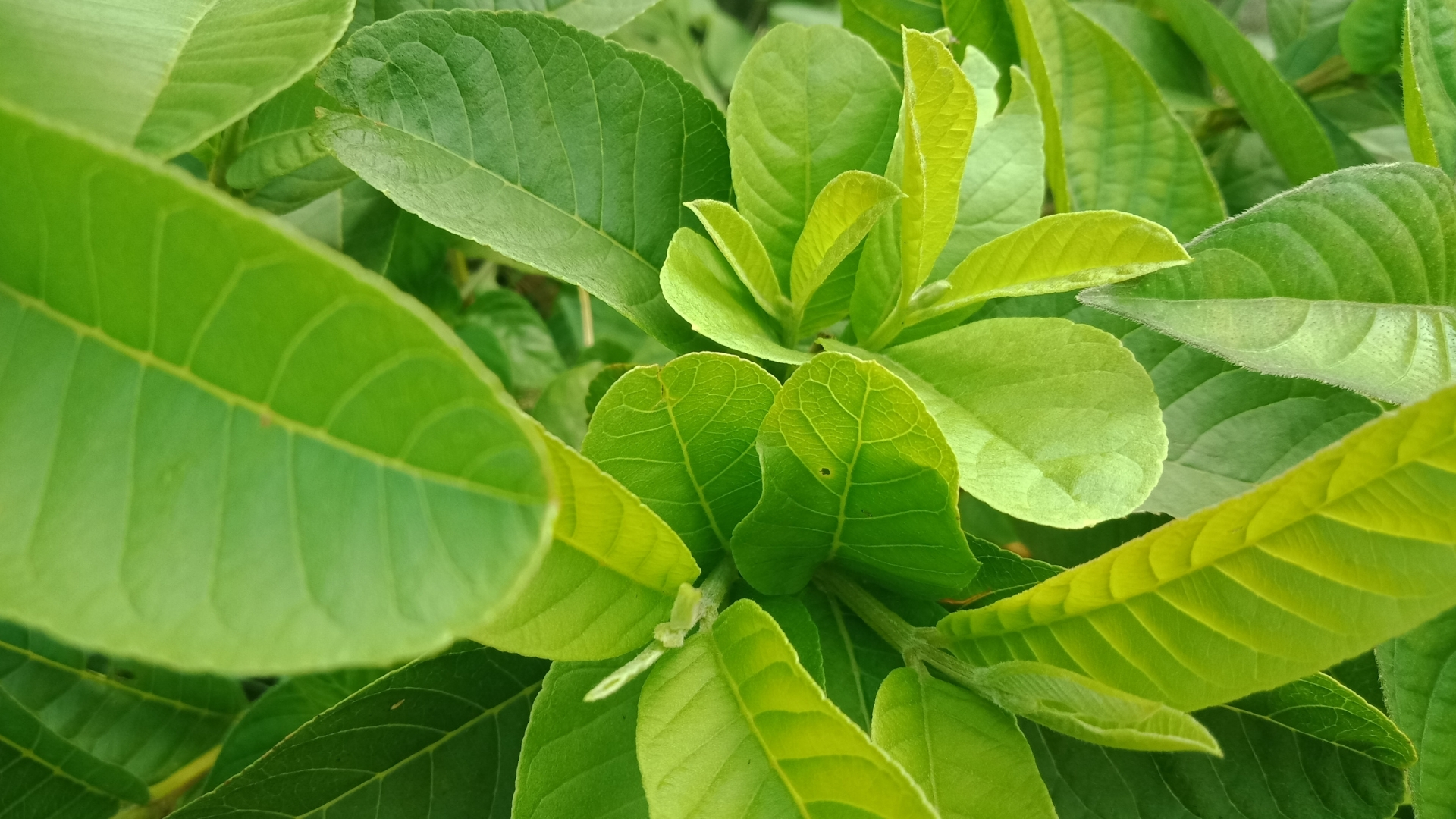
3. Guava Leaves
Guava leaves have been used traditionally in many tropical regions.
They contain:
-
Flavonoids
-
Tannins
-
Vitamin C
-
Polyphenols
-
Antioxidants
Potential Benefits
Researchers have investigated guava leaf extracts for possible roles in supporting:
-
Digestive health
-
Healthy blood sugar metabolism
-
Antioxidant activity
-
Normal immune function
Although some early findings are promising, larger human clinical trials are still needed.
Why Combine These Ingredients?
When combined into a tea or herbal infusion, mango leaves, cinnamon, and guava leaves provide a mixture of plant compounds that may complement one another.
Together, they supply:
Antioxidants
Antioxidants help protect cells from oxidative stress caused by unstable molecules called free radicals.
Oxidative stress is a normal part of life but may contribute to aging and certain chronic diseases over time.
Plant Polyphenols
Polyphenols are natural compounds found in many fruits, vegetables, herbs, and spices.
Studies suggest diets rich in polyphenol-containing foods may support overall health.
Pleasant Flavor
Cinnamon adds natural sweetness and warmth, making herbal tea enjoyable without adding sugar.
Reducing added sugar intake supports overall metabolic health.
How to Prepare the Herbal Tea
If you would like to try this traditional herbal blend, preparation is simple.
Ingredients
-
4–6 fresh or dried guava leaves (washed thoroughly)
-
4–6 fresh or dried mango leaves (washed thoroughly)
-
1 small cinnamon stick (or about ½ teaspoon ground cinnamon)
-
2–3 cups of water
Instructions
-
Bring the water to a gentle boil.
-
Add the mango leaves, guava leaves, and cinnamon.
-
Simmer for 10–15 minutes.
-
Remove from heat.
-
Strain the tea.
-
Allow it to cool slightly before drinking.
Some people enjoy adding a slice of lemon or a small amount of honey for flavor, although keeping added sugars to a minimum is generally recommended.
Best Time to Enjoy It
Many people choose to drink herbal teas:
-
In the morning
-
After meals
-
During the afternoon
-
In the evening as a caffeine-free beverage
There is no scientific evidence that drinking this tea at a specific time produces greater health benefits.
Other Healthy Habits That Support Wellness
While herbal teas may be a pleasant addition to your routine, they work best alongside other healthy habits.
Try to:
-
Eat plenty of vegetables and fruits.
-
Choose whole grains.
-
Include lean protein in your meals.
-
Stay physically active.
-
Sleep seven to nine hours each night.
-
Drink enough water.
-
Avoid smoking.
-
Limit excessive alcohol.
Overall dietary patterns matter far more than any single food or beverage.
Important Safety Considerations
Natural does not always mean risk-free.
Keep these precautions in mind:
Pregnancy and Breastfeeding
Pregnant or breastfeeding individuals should consult a healthcare professional before regularly consuming herbal teas made from medicinal plants.
Diabetes Medications
Some herbal ingredients have been studied for their potential effects on blood sugar.
If you take medications for diabetes, monitor your blood sugar as directed and speak with your healthcare provider before adding herbal products regularly.
Liver Health
People with liver disease should use cinnamon in moderation, particularly Cassia cinnamon, because of its coumarin content.
Allergies
Stop using the tea if you experience signs of an allergic reaction.
What This Herbal Blend Cannot Do
Social media often makes extraordinary claims about herbal drinks.
There is currently no strong scientific evidence that this blend can:
-
Cure diabetes
-
Reverse high blood pressure
-
Detox the liver
-
Eliminate toxins from the body
-
Cure infections
-
Replace prescription medications
-
Prevent cancer
-
Treat chronic diseases
Herbal teas should be viewed as complementary to not replacements for evidence-based medical care.
The Bottom Line
A blend of mango leaves, cinnamon, and guava leaves is a traditional herbal drink enjoyed in many parts of the world. These ingredients contain antioxidants, polyphenols, and other naturally occurring plant compounds that may support overall wellness as part of a healthy lifestyle.
While early research on some of these compounds is encouraging, more high-quality human studies are needed to fully understand their effects. Rather than expecting dramatic health changes from a single beverage, focus on maintaining a balanced diet, staying physically active, getting enough sleep, and following your healthcare provider's advice.
When enjoyed in moderation, this aromatic herbal tea can be a comforting addition to your daily routine—offering pleasant flavor along with a variety of naturally occurring nutrients and plant compounds that contribute to a healthy, balanced diet.