A sudden sharp pain in the ear can be alarming. It may last only a few seconds or continue for hours, and it can range from a mild annoyance to severe discomfort that interferes with sleep and daily activities. While many people immediately assume they have an ear infection, sharp ear pain can actually have many different causes—some originating inside the ear and others coming from nearby areas such as the jaw, teeth, throat, or sinuses.
Most cases are not serious and improve with appropriate treatment. However, persistent or severe ear pain should never be ignored, especially when accompanied by hearing changes, fever, or drainage from the ear.
Here's what sharp ear pain may be telling you about your health and when it's time to seek medical attention.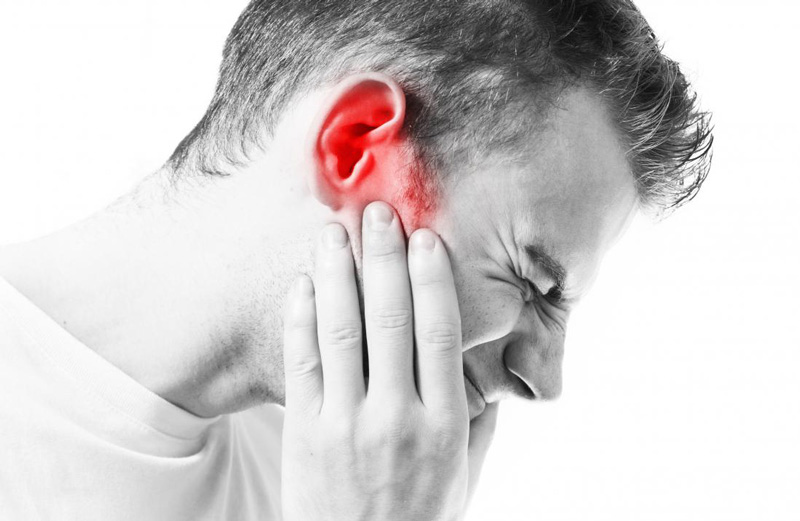
Why Does Ear Pain Occur?
The ear contains delicate structures responsible for hearing and balance.
Pain may develop because of:
-
Infection
-
Inflammation
-
Injury
-
Pressure changes
-
Nerve irritation
-
Referred pain from nearby structures
Because the ears share nerve pathways with the jaw, throat, and teeth, problems outside the ear can sometimes be felt as ear pain.
1. Middle Ear Infection
One of the most common causes of ear pain is a middle ear infection (acute otitis media).
This occurs when bacteria or viruses infect the space behind the eardrum.
Symptoms May Include
-
Sharp ear pain
-
Fever
-
Temporary hearing loss
-
A feeling of fullness in the ear
-
Difficulty sleeping
-
Irritability in children
If pressure builds behind the eardrum, the pain may become quite intense.
Most middle ear infections require evaluation by a healthcare professional.
2. Outer Ear Infection (Swimmer's Ear)
An infection of the ear canal, known as otitis externa, may also cause sharp pain.
It often develops after:
-
Swimming
-
Excess moisture in the ear
-
Minor skin injuries
-
Excessive cleaning with cotton swabs
Symptoms Include
-
Ear pain that worsens when touching the ear
-
Itching
-
Swelling
-
Redness
-
Drainage from the ear
Treatment usually involves medicated ear drops prescribed by a healthcare provider.
3. Earwax Buildup
Earwax normally protects the ear canal.
However, excessive wax can occasionally cause:
-
Ear pain
-
Hearing loss
-
Pressure
-
Ringing in the ears
-
Dizziness
Many people accidentally push wax deeper by using cotton swabs.
Avoid inserting objects into the ear canal.
If earwax becomes impacted, a healthcare professional can remove it safely.
4. Pressure Changes
Rapid pressure changes may cause sudden ear discomfort.
This commonly happens during:
-
Air travel
-
Scuba diving
-
Mountain driving
Pressure differences can temporarily stretch the eardrum.
Symptoms May Include
-
Sharp pain
-
Ear popping
-
Muffled hearing
-
Fullness
Yawning, swallowing, or chewing gum often helps equalize pressure.
5. Jaw Joint Problems (TMJ Disorders)
Sometimes the problem isn't inside the ear at all.
The temporomandibular joint (TMJ) sits directly in front of the ear.
Inflammation of this joint may cause:
-
Sharp ear pain
-
Jaw clicking
-
Difficulty chewing
-
Facial pain
-
Headaches
People who grind their teeth at night are particularly prone to TMJ-related pain.
6. Dental Problems
Tooth pain frequently spreads to the ear because of shared nerve pathways.
Possible dental causes include:
-
Tooth decay
-
Dental abscess
-
Impacted wisdom teeth
-
Gum infections
If ear pain occurs together with tooth sensitivity or facial swelling, a dental examination may be needed.
7. Sinus or Throat Infections
The ears, nose, and throat are closely connected.
Conditions such as:
-
Sinus infections
-
Tonsillitis
-
Sore throat
-
Upper respiratory infections
may cause referred ear pain.
Treating the underlying illness usually improves the ear discomfort.
8. Nerve Pain
Occasionally, sharp ear pain results from irritation of nearby nerves.
Certain nerve disorders can produce:
-
Brief stabbing pain
-
Electric shock-like sensations
-
Recurrent episodes lasting seconds
Although less common, persistent nerve pain should be evaluated by a healthcare professional.
9. Injury or Trauma
Ear pain may develop after:
-
Blows to the head
-
Loud noise exposure
-
Inserting objects into the ear
-
Sudden pressure changes
-
Eardrum injury
Trauma can sometimes damage the eardrum or inner ear structures.
Avoid placing any objects inside the ear canal.
Symptoms That Require Prompt Medical Attention
Although many causes of ear pain are minor, some symptoms should not be ignored.
Seek medical evaluation promptly if ear pain is accompanied by:
-
High fever
-
Fluid or blood draining from the ear
-
Sudden hearing loss
-
Severe dizziness
-
Facial weakness
-
Swelling behind the ear
-
Persistent pain lasting more than two or three days
-
Pain following a head injury
Early treatment may help prevent complications.
How Is Ear Pain Diagnosed?
A healthcare professional may perform:
-
A physical examination
-
Ear examination using an otoscope
-
Hearing tests if needed
-
Imaging studies in certain situations
-
Examination of the throat, jaw, and teeth
The goal is to identify the underlying cause rather than simply treating the pain.
Treatment Depends on the Cause
There is no single treatment that works for every type of ear pain.
Examples include:
Ear Infections
May require:
-
Observation
-
Pain relief
-
Antibiotics in selected cases
Swimmer's Ear
Usually treated with medicated ear drops.
Earwax Impaction
May require professional removal.
TMJ Disorders
Often improve with:
-
Jaw rest
-
Soft foods
-
Stress reduction
-
Dental evaluation when appropriate
Dental Problems
Require dental treatment rather than ear medication.
What You Can Do at Home
For mild ear discomfort:
-
Rest.
-
Stay well hydrated.
-
Avoid inserting cotton swabs or other objects into the ear.
-
Protect the ear from additional injury.
-
Follow your healthcare provider's advice regarding pain relief.
Never place oils, candles, or other home remedies into the ear unless specifically recommended by a healthcare professional.
How to Help Prevent Ear Problems
Simple habits can reduce your risk of ear pain.
Keep Ears Dry
Dry your ears gently after swimming or showering.
Avoid Cotton Swabs
The ear is usually self-cleaning.
Cotton swabs often push wax deeper.
Protect Your Hearing
Wear hearing protection around loud machinery or concerts.
Treat Allergies and Colds
Managing nasal congestion may help reduce pressure-related ear problems.
Maintain Good Dental Health
Healthy teeth and gums may reduce referred ear pain.
Common Myths About Ear Pain
Myth 1: Every Earache Needs Antibiotics
False.
Many earaches are caused by viruses, pressure changes, jaw problems, or other non-bacterial conditions.
Myth 2: Cotton Swabs Clean the Ear Safely
False.
Cotton swabs frequently push earwax deeper and may injure the ear canal or eardrum.
Myth 3: Ear Pain Always Means an Ear Infection
False.
Problems involving the jaw, teeth, throat, or sinuses commonly cause referred ear pain.
When Should You See a Doctor?
Schedule a medical evaluation if you experience:
-
Ear pain lasting more than 48–72 hours
-
Recurrent ear pain
-
Hearing changes
-
Ear drainage
-
Fever
-
Severe swelling
-
Significant dizziness
-
Persistent jaw pain
-
Tooth pain associated with ear discomfort
A proper diagnosis helps ensure appropriate treatment.
Final Thoughts
Sharp ear pain can have many causes, ranging from relatively minor problems like earwax buildup and pressure changes to infections, jaw disorders, dental conditions, and, less commonly, nerve-related pain. Because the ear shares nerve connections with nearby structures, pain isn't always coming from the ear itself.
Most cases improve once the underlying cause is identified and treated. However, severe pain, hearing loss, fever, drainage, or symptoms that persist should never be ignored. Seeking timely medical care can help relieve discomfort, prevent complications, and protect your hearing.
Listening to your body's warning signals and avoiding unsafe home remedies - is one of the best ways to keep your ears healthy throughout life.