
Smart tips to get rid of cockroaches and maintain a clean, fresh home
Mix Sugar With This and Leave It in the House? What You Should Really Know About Cockroach Control
Health 03/07/2026 10:35
Cold hands and feet are something most people experience from time to time, especially during cold weather or after spending time in an air-conditioned environment. In many cases, this is a perfectly normal response as the body conserves heat by reducing blood flow to the extremities.
However, if your hands and feet are frequently or persistently cold - even when the environment is warm it may be worth paying closer attention. While this symptom is often harmless, it can sometimes be associated with an underlying medical condition that affects circulation, hormones, blood cells, or the nervous system.
It's important to remember that cold hands and feet alone do not diagnose any disease. Many different conditions can cause similar symptoms, and only a healthcare professional can determine the underlying cause.
Here are four medical conditions that may be associated with persistently cold hands and feet.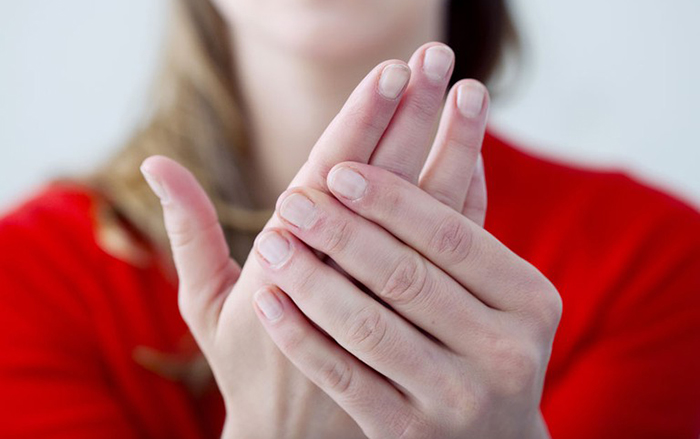
Your hands and feet contain many small blood vessels that help regulate body temperature.
When your body is exposed to cold temperatures, these blood vessels narrow (a process called vasoconstriction) to reduce heat loss and protect your vital organs.
Normally, blood flow returns once your body warms up.
However, if blood circulation is reduced for other reasons, your hands and feet may remain cold even in comfortable temperatures.
One of the most common medical causes of persistently cold fingers and toes is Raynaud's phenomenon.
This condition causes small blood vessels in the fingers and toes to temporarily narrow more than normal in response to cold temperatures or emotional stress.
People with Raynaud's may notice:
Fingers or toes turning white
Skin changing from white to blue, then red as circulation returns
Coldness
Numbness
Tingling
Throbbing after warming up
Episodes often last from several minutes to an hour.
For many people, Raynaud's is mild, but severe or frequent episodes should be evaluated by a healthcare professional.
The thyroid gland helps regulate metabolism and body temperature.
When the thyroid becomes underactive—a condition known as hypothyroidism—the body's metabolism slows.
As a result, many people become unusually sensitive to cold.
Fatigue
Weight gain
Dry skin
Constipation
Hair thinning
Slower heart rate
Depression
Puffy face
Hypothyroidism is diagnosed with blood tests and is usually treatable with thyroid hormone replacement.
Iron is necessary for producing hemoglobin, the protein in red blood cells that carries oxygen throughout the body.
When iron levels become too low, the body may not deliver oxygen efficiently to tissues.
This may contribute to:
Cold hands and feet
Fatigue
Weakness
Pale skin
Shortness of breath during activity
Dizziness
Brittle nails
Iron deficiency has many possible causes, including inadequate dietary intake, blood loss, or problems absorbing iron.
Treatment depends on identifying the underlying cause.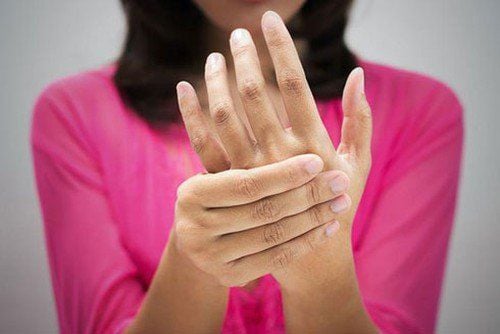
Peripheral artery disease (PAD) occurs when narrowed arteries reduce blood flow to the legs and feet.
It becomes more common with age and is often associated with:
Smoking
Diabetes
High blood pressure
High cholesterol
Cold feet
Pain while walking that improves with rest (claudication)
Slow-healing wounds
Weak pulses in the feet
Shiny skin
Hair loss on the legs
PAD is a serious condition because it may increase the risk of heart attack and stroke.
Early diagnosis and treatment are important.
Persistent cold hands and feet can also occur with other conditions.
These include:
Long-standing diabetes may damage nerves and blood vessels, affecting circulation and temperature sensation.
People with very little body fat may lose heat more easily.
Some medications that affect blood vessels or circulation may contribute to cold extremities.
Stress can temporarily narrow blood vessels, making the hands feel cold.
Nicotine causes blood vessels to constrict, reducing blood flow to the hands and feet.
Cold hands and feet are usually not a cause for concern when they occur:
During cold weather
After holding cold objects
Following air conditioning exposure
Briefly during emotional stress
Before warming up after exercise
These situations typically improve once the body returns to a comfortable temperature.
Arrange a medical evaluation if cold hands and feet:
Occur frequently without obvious reason
Do not improve after warming up
Are accompanied by pain
Cause numbness or tingling
Lead to color changes (white, blue, or purple)
Occur together with fatigue or weight changes
Are associated with slow-healing wounds
Prompt evaluation can help identify any underlying medical condition.
Depending on your symptoms, your healthcare provider may recommend:
A physical examination
Blood tests
Thyroid function tests
Iron studies
Blood glucose testing
Blood pressure measurement
Vascular examinations
Ultrasound of blood vessels in certain cases
Diagnosis focuses on identifying the underlying cause rather than simply treating the symptom.
Simple lifestyle measures often help improve comfort.
Wear:
Warm gloves
Thick socks
Insulated footwear during cold weather
Regular exercise improves circulation and supports cardiovascular health.
Smoking reduces blood flow by narrowing blood vessels.
Quitting smoking benefits the entire cardiovascular system.
Relaxation techniques may reduce stress-related blood vessel constriction in some people.
A nutritious diet supports healthy blood production and overall circulation.
Include:
Iron-rich foods
Fruits
Vegetables
Whole grains
Lean proteins
Not necessarily.
Cold hands may simply reflect a normal response to cool temperatures.
False.
Many harmless conditions—and even healthy individuals—experience cold feet.
Persistent symptoms deserve medical attention, especially if they are accompanied by pain, color changes, numbness, or slow-healing wounds.
Healthy circulation supports every organ in the body.
Helpful habits include:
Staying active
Maintaining a healthy weight
Controlling blood pressure
Managing cholesterol
Keeping blood sugar within target ranges
Avoiding tobacco products
Attending regular medical checkups
These lifestyle choices support both heart health and healthy circulation.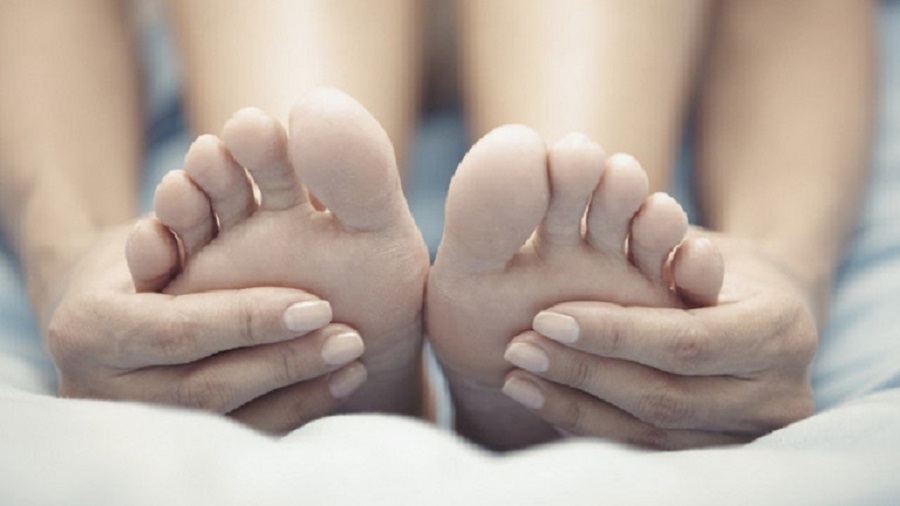
Cold hands and feet are common and are often a normal response to cooler temperatures. However, when they occur frequently or persist even in warm environments, they may sometimes be associated with underlying conditions such as Raynaud's phenomenon, hypothyroidism, iron deficiency anemia, or peripheral artery disease.
Although these conditions differ greatly in severity and treatment, they all benefit from early recognition and appropriate medical evaluation. Paying attention to accompanying symptoms - such as skin color changes, fatigue, numbness, pain, or slow-healing wounds can help determine whether further assessment is needed.
If your cold hands and feet are persistent, unexplained, or interfering with your daily life, don't rely on internet advice alone. A healthcare professional can identify the cause and recommend the most appropriate treatment, helping you protect both your circulation and your overall health.
Mix Sugar With This and Leave It in the House? What You Should Really Know About Cockroach Control

🍠 What Everyone Should Know Before Eating Sweet Potatoes

Every year, over 200 people die from consuming what is known as the “world’s deadliest food,” yet nearly 500 million people still eat it.
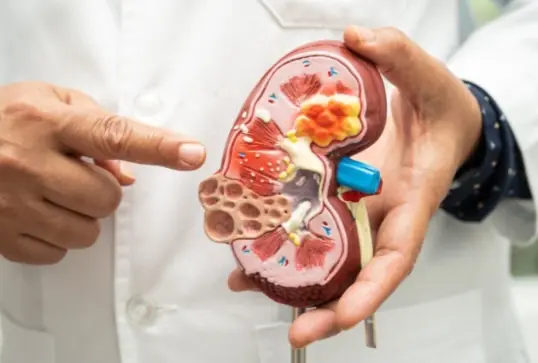
A 1-Minute At-Home Kidney Self-Check: Simple Signs Doctors Say You Shouldn’t Ignore
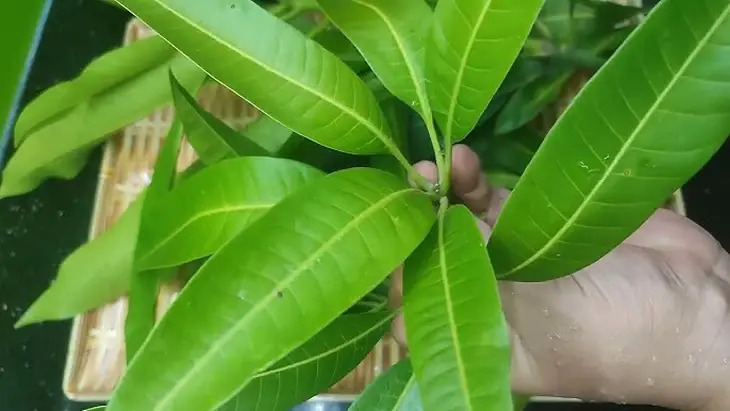
Explore the Nutritional Benefits of Mango Leaves, Cinnamon, and Guava Leaves
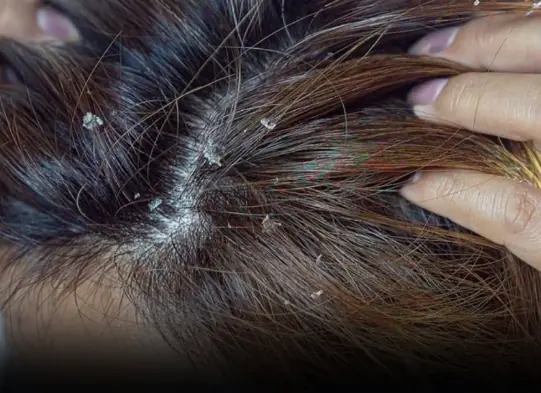
A Cancer Warning Sign Commonly Mistaken for Dandruff: Doctors Urge People Not to Ignore It
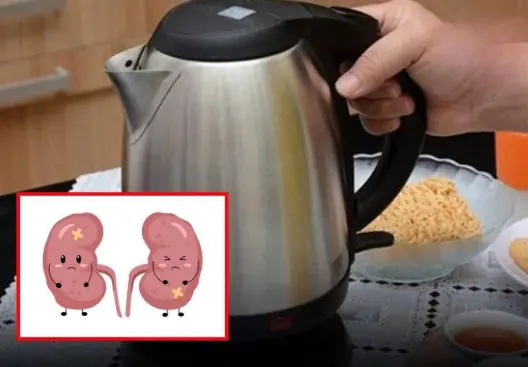
Using an Electric Kettle the Wrong Way: 6 Common Mistakes That Can Quietly Harm Your Kidneys
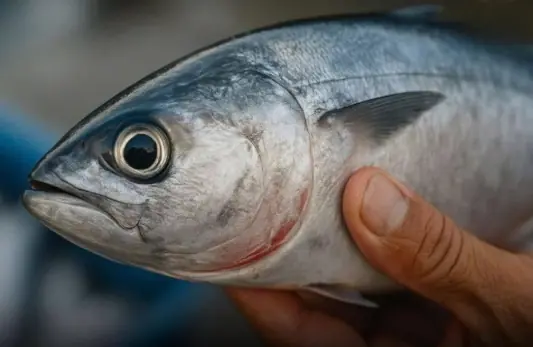
How to Choose Fresh Fish Like a Pro: Secrets from Coastal Fishermen
Always thinking that he was healthy, this man unexpectedly collapsed at work, fell unconscious, and passed away shortly after at the hospital.
Eating Cucumbers Every Day? Here's What Doctors Say Could Happen
At just 20 years old, Linh Nguyen (name changed), a young and passionate teacher at a local elementary school, passed away from liver cancer — a disease typically associated with older individuals or those with long-term health issues. Her sudden death
5 Dangerous Habits That Are Damaging Your Liver — Stop Now Before It’s Too Late

🍈 Millions Eat Guava—But Few Know What It Can Do to the Body
What Causes Sharp Ear Pain? Here's What You Should Know
These Tiny White Spots on Your Skin Are More Common Than You Think—Here's What They May Mean

4 Powerful Leaves That Can Be Part of a Healthy Diet for Metabolism and Immunity

🥥 Doctors Reveal the Hidden Effects of Drinking Coconut Water
Ignoring Right-Side Pain Could Be a Mistake—Here's Why

🥚 What Hard-Boiled Eggs Really Do for Your Body: 11 Facts to Know

Thinking About Drinking Lemon Water? Here Are 15 Possible Health Benefits
Mix Sugar With This and Leave It in the House? What You Should Really Know About Cockroach Control
🍠 What Everyone Should Know Before Eating Sweet Potatoes
Every year, over 200 people die from consuming what is known as the “world’s deadliest food,” yet nearly 500 million people still eat it.
A 1-Minute At-Home Kidney Self-Check: Simple Signs Doctors Say You Shouldn’t Ignore
Explore the Nutritional Benefits of Mango Leaves, Cinnamon, and Guava Leaves
A Cancer Warning Sign Commonly Mistaken for Dandruff: Doctors Urge People Not to Ignore It
Using an Electric Kettle the Wrong Way: 6 Common Mistakes That Can Quietly Harm Your Kidneys
How to Choose Fresh Fish Like a Pro: Secrets from Coastal Fishermen
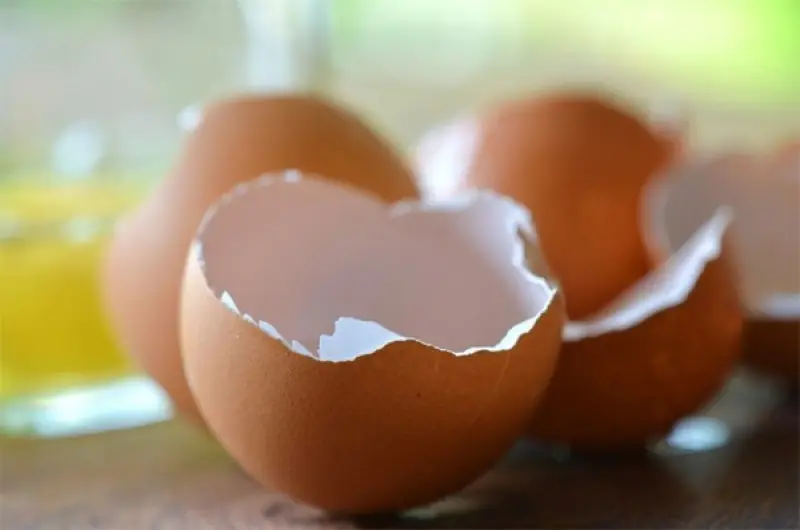
Eggshells Can Be Reused in Several Helpful Ways - Here's What You Should Know
Always thinking that he was healthy, this man unexpectedly collapsed at work, fell unconscious, and passed away shortly after at the hospital.
Eating Cucumbers Every Day? Here's What Doctors Say Could Happen
At just 20 years old, Linh Nguyen (name changed), a young and passionate teacher at a local elementary school, passed away from liver cancer — a disease typically associated with older individuals or those with long-term health issues. Her sudden death
5 Dangerous Habits That Are Damaging Your Liver — Stop Now Before It’s Too Late
🍈 Millions Eat Guava—But Few Know What It Can Do to the Body
What Causes Sharp Ear Pain? Here's What You Should Know
These Tiny White Spots on Your Skin Are More Common Than You Think—Here's What They May Mean