Have you ever noticed a tiny white or yellow lump hiding in the back of your throat? Maybe you felt something stuck in your tonsil, coughed, and suddenly discovered a small, hard-looking piece with an unpleasant smell.
You may have been looking at a tonsil stone.
Tonsil stones, also called tonsilloliths, are surprisingly common. They can be so small that you never notice them, while larger ones may cause bad breath, throat irritation, coughing, or the uncomfortable sensation that something is stuck in your throat.
The good news is that tonsil stones are usually not dangerous. However, frequent or persistent tonsil stones can sometimes signal that your tonsils have deep crevices where debris easily collects.
So what exactly causes them? Why do they smell so bad? Can you remove them at home? And when should you see a doctor?
Here’s what you need to know.
What Exactly Are Tonsil Stones?
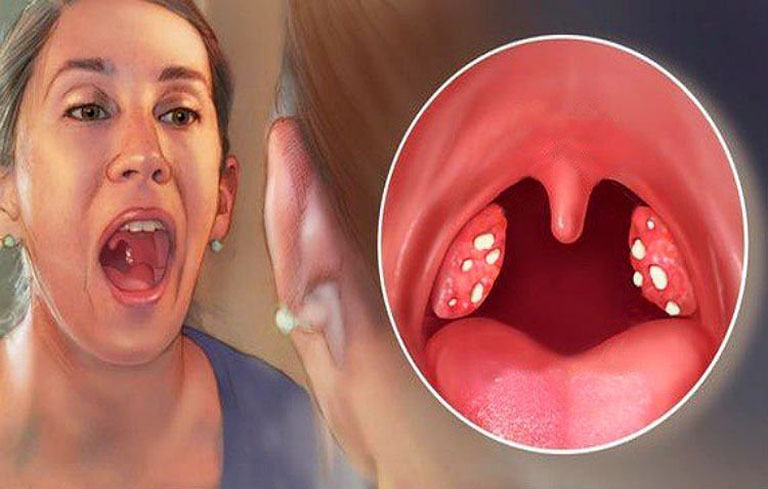
Tonsil stones are small, hardened deposits that develop inside the crypts, or tiny grooves and pockets, of the tonsils.
Your tonsils are part of your immune system and contain natural folds and openings. These spaces can trap various materials, including:
-
Food particles
-
Mucus
-
Dead cells
-
Bacteria
-
Saliva
-
Other microscopic debris
Over time, the trapped material can become compacted and gradually harden as minerals in saliva accumulate around it.
The result can be a small white, yellowish, or sometimes grayish lump.
Some tonsil stones are barely visible. Others can become large enough to notice when looking in the mirror.
Importantly, having tonsil stones does not necessarily mean you have poor hygiene. Even people who brush and floss regularly can develop them because the structure of their tonsils can make them more prone to trapping debris.
Why Do Tonsil Stones Smell So Bad?
One of the most frustrating symptoms associated with tonsil stones is bad breath.
The reason has a lot to do with bacteria.
When food particles, mucus, dead cells, and other debris become trapped inside tonsil crypts, bacteria can break down some of that material. This process can produce unpleasant-smelling compounds.
That means a person may brush their teeth, use mouthwash, and still experience persistent bad breath if a tonsil stone is contributing to the problem.
In some cases, people don't realize they have a tonsil stone at all. They simply notice that their breath seems unusually unpleasant despite maintaining their normal oral-care routine.
If you have persistent bad breath that doesn't improve with good dental hygiene, tonsil stones are one possible explanation—but they aren't the only one.
Gum disease, tooth decay, dry mouth, sinus problems, reflux, and other conditions can also contribute to chronic bad breath.
What Do Tonsil Stones Look Like?
Tonsil stones commonly appear as:
-
Small white dots
-
White or yellow lumps
-
Tiny hard particles lodged in tonsil openings
-
Irregular material tucked deep inside the tonsils
They can range from extremely tiny particles to larger deposits.
Some people discover them accidentally while brushing their teeth or looking at their throat. Others may cough one up without realizing what it was.
Because the tonsils naturally have folds and irregular surfaces, not every white spot on a tonsil is necessarily a tonsil stone.
A white coating or patch can have other causes, including infections or inflammation.
That's why persistent or unusual changes in the throat should not automatically be assumed to be tonsil stones.
Common Symptoms of Tonsil Stones
Small tonsil stones may cause no symptoms at all.
You might have them without knowing.
When symptoms do occur, they can include:
1. Persistent Bad Breath
This is one of the most commonly reported problems.
The bacteria and trapped debris associated with tonsil stones can contribute to unpleasant breath.
If your bad breath continues despite brushing, flossing, cleaning your tongue, and maintaining good oral hygiene, a tonsil stone could potentially be contributing.
2. Something Feels Stuck in Your Throat
Some people describe a sensation similar to having:
“Something stuck in the back of my throat.”
This may be particularly noticeable when swallowing.
A larger stone can physically irritate surrounding tissue and create a persistent foreign-body sensation.
3. Sore or Irritated Throat
Tonsil stones can sometimes cause localized irritation.
You may notice mild discomfort on one side of your throat or an annoying sensation that comes and goes.
However, significant throat pain is more likely to require consideration of other causes, particularly if accompanied by fever or difficulty swallowing.
4. Coughing
A stone irritating the tonsil can sometimes trigger coughing or repeated throat clearing.
5. Difficulty Swallowing
Larger stones may make swallowing feel uncomfortable or unusual.
If swallowing becomes genuinely difficult, especially if the problem is worsening, it should not simply be attributed to tonsil stones.
6. Ear Discomfort
Because nerves in the throat and ear have overlapping pathways, irritation around the tonsils can sometimes be perceived as discomfort in the ear.
This doesn't necessarily mean there is an ear infection.
7. Visible White or Yellow Material
Some people can actually see the stone when they open their mouth and look at their tonsils.
Why Do Some People Keep Getting Tonsil Stones?
Not everyone is equally likely to develop tonsil stones.
One of the biggest factors is the structure of the tonsils.
Some people naturally have deeper or more numerous tonsil crypts. These pockets provide more opportunities for food particles, mucus, and bacteria to become trapped.
Several factors may contribute to recurrent stones.
Deep Tonsil Crypts
If your tonsils have pronounced folds and crevices, debris may become trapped more easily.
This is often a structural issue rather than something you are doing wrong.
Frequent Tonsil Inflammation
Repeated inflammation of the tonsils can alter their surface and potentially make the crypts more prominent.
People who frequently experience tonsil problems may therefore be more prone to developing stones.