-
Store them in a cool, dry, airtight container.
-
Discard peanuts that taste bitter, smell musty, or appear discolored.
4. Digestive Issues
Overeating peanuts — especially without enough water — can cause bloating, gas, or constipation due to their high fat and fiber content. Salted or flavored varieties may also contain excess sodium, which can contribute to high blood pressure and water retention.
If you enjoy peanuts frequently, drink plenty of water and opt for unsalted versions to protect your digestion and cardiovascular health.
🌿 Health Benefits of Eating Peanuts (When Eaten in Moderation)
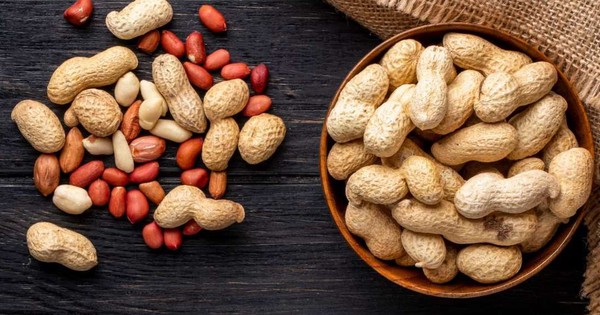
1. Supports Heart Health
Peanuts are rich in monounsaturated fats, similar to those found in olive oil, which help lower harmful LDL cholesterol levels. They also contain resveratrol, the same antioxidant compound found in red wine, known to protect against inflammation and heart disease.
Regular peanut consumption has been associated with a lower risk of coronary artery disease and improved blood vessel function.
2. Rich in Protein and Fiber
Peanuts are a nutrient-dense source of plant protein — around 25 grams per 100 grams — making them an excellent choice for vegetarians and athletes. The fiber content also promotes a feeling of fullness, helping curb overeating and aiding in healthy weight management when eaten sensibly.
3. Brain Booster
Peanuts contain niacin (vitamin B3) and vitamin E, two essential nutrients that support brain health. These vitamins enhance cognitive function, protect nerve cells, and may reduce the risk of neurodegenerative diseases such as Alzheimer’s and dementia.
Peanuts also contain small amounts of tryptophan, an amino acid that helps the body produce serotonin — the “feel-good” hormone — which can improve mood and focus.
4. Blood Sugar Regulation
Despite their high fat content, peanuts have a low glycemic index (GI), meaning they don’t cause sharp spikes in blood sugar. This makes them a smart snack for people with type 2 diabetes or insulin resistance.
Their combination of healthy fats, fiber, and protein helps slow down digestion and sugar absorption, keeping blood sugar levels stable throughout the day.