Doctors Reveal That Eating Beef Liver Too Often May Cause Unexpected Health Problems
Beef liver has long been considered one of the most nutritious foods on the dinner table. Rich in iron, vitamin B12, protein, and several essential minerals, it is often recommended as a nutrient-dense addition to a balanced diet. In many countries, families prepare it with onions, herbs, and spices, believing that a small serving can help support energy and overall health.
But there is another side to this popular organ meat that deserves attention.
Unlike ordinary cuts of beef, liver contains exceptionally concentrated amounts of certain nutrients. This is precisely what makes it valuable—and what can make excessive consumption problematic. Eating it occasionally may provide useful nutrients, but eating large portions frequently can cause people to consume far more vitamin A and copper than their bodies need.
The concern becomes particularly important for pregnant women, older adults, and people with certain medical conditions.
Doctors and nutrition specialists therefore encourage consumers to look beyond the idea that a food is healthy simply because it contains many vitamins. The amount consumed, the frequency of consumption, and a person's individual health circumstances all matter.
So what can happen when someone eats beef liver too frequently? Could its impressive nutritional profile become a disadvantage? And who should be especially careful before adding it to their regular meals?
The answers begin with two nutrients that are found in unusually high concentrations in this organ meat.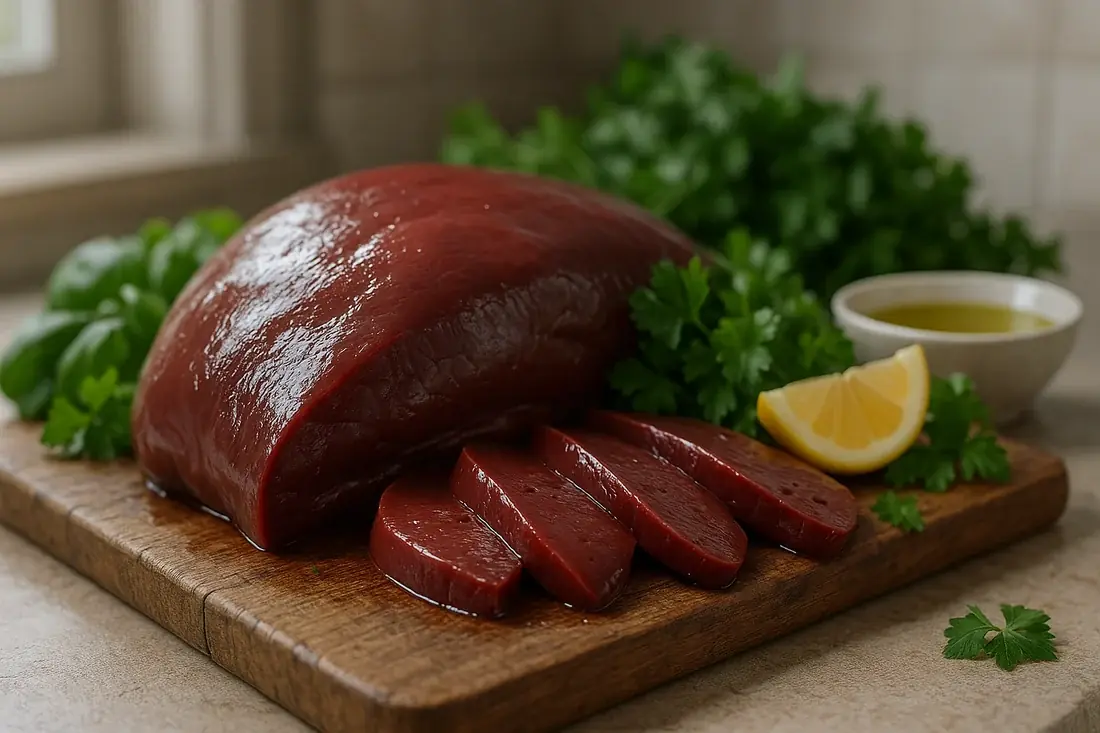
Why Beef Liver Is Different From Ordinary Beef
Beef liver is not simply another cut of meat. It is an organ with a very different nutritional composition from muscle tissue.
A steak primarily provides protein, fat, iron, zinc, and several B vitamins. Liver, on the other hand, contains concentrated quantities of vitamin A, vitamin B12, copper, iron, riboflavin, and folate.
These nutrients perform important functions throughout the human body.
Vitamin A supports normal vision, immune function, and the maintenance of healthy skin and tissues. Vitamin B12 helps maintain healthy nerve cells and supports the production of red blood cells. Iron is needed to transport oxygen throughout the body, while copper contributes to normal energy metabolism and the formation of connective tissue.
This explains why beef liver has traditionally been used as a nutrient-rich food.
However, its unusually high concentration of certain nutrients means that a relatively small serving can contribute a substantial amount toward daily nutritional requirements.
That distinction is important.
Eating a food containing a large amount of a nutrient does not automatically mean that eating more of it produces greater health benefits.
The body requires nutrients within appropriate ranges. When intake becomes excessive, certain vitamins and minerals can accumulate or interfere with normal biological processes.
Beef liver is therefore best understood as a concentrated source of nutrition rather than an ordinary meat that can be consumed in unlimited quantities.
The First Concern: Too Much Vitamin A
One of the most important reasons to avoid eating beef liver too frequently is its exceptionally high vitamin A content.
Vitamin A is essential for several functions that people often take for granted.
It helps the eyes adapt to low-light conditions, supports the immune system, and maintains the normal condition of the skin and the lining of certain organs.
Without enough vitamin A, people may experience problems involving vision, immunity, and tissue health.
However, the type of vitamin A found in beef liver deserves special attention.
Animal products such as liver contain preformed vitamin A, also known as retinol.
Unlike beta-carotene from carrots and other colorful vegetables, preformed vitamin A can be stored in the body. When someone regularly consumes excessive amounts, the accumulated vitamin can eventually reach harmful levels.
This condition is known as hypervitaminosis A.
The risk is particularly relevant because beef liver can contain several times the daily vitamin A requirement in a relatively small serving.
A person who eats liver frequently while also taking vitamin A supplements or cod liver oil may unintentionally increase their total intake even further.
The problem is not that vitamin A is harmful in ordinary amounts. The problem is consuming substantially more than the body needs over time.
What Happens When Vitamin A Builds Up?
Excessive vitamin A intake can produce a range of symptoms.
Some people may experience persistent headaches, nausea, dizziness, blurred vision, or unusual fatigue.
Other possible symptoms include dry or peeling skin, bone discomfort, and joint pain.
In more serious situations, prolonged excessive intake can affect the liver and other body systems.
The symptoms may develop gradually, which makes the problem difficult to recognize.
Someone who regularly consumes liver may not immediately connect recurring headaches or digestive discomfort with their diet.
This does not mean that every person who experiences these symptoms has vitamin A toxicity. Many other conditions can produce similar complaints.
However, persistent symptoms combined with frequent consumption of concentrated vitamin A sources deserve medical attention.
The important lesson is that vitamin A is a nutrient that needs to be consumed in appropriate quantities, not a substance that becomes increasingly beneficial with every additional serving.
The Second Concern: Beef Liver Contains Extremely High Amounts of Copper
Vitamin A is not the only nutrient that makes beef liver different from ordinary meat.
Copper is another important consideration.
Copper is an essential trace mineral. The body needs it in relatively small amounts to support several biological processes, including energy production, iron metabolism, nervous system function, and the maintenance of connective tissue.
It also participates in the activity of several enzymes that help protect cells and maintain normal metabolism.
A deficiency can cause health problems, which is why copper is necessary in the diet.
However, beef liver is one of the richest dietary sources of this mineral.
According to the U.S. National Institutes of Health Office of Dietary Supplements, a three-ounce serving of pan-fried beef liver can contain approximately 12,400 micrograms of copper.
For comparison, the recommended daily intake for most adults is approximately 900 micrograms.
This means that one ordinary serving can provide more than ten times the recommended daily amount.
That figure may surprise people who assume that foods containing essential minerals can always be eaten freely.
Copper is necessary, but excessive intake is not harmless.
Can Too Much Copper Make You Sick?
Consuming excessive copper can cause digestive symptoms, particularly when the amount is high.
Possible symptoms include:
-
Nausea.
-
Vomiting.
-
Abdominal cramps.
-
Diarrhea.
-
Stomach discomfort.
-
An unpleasant metallic taste.
These symptoms can occur after excessive exposure, although they are not specific to copper and may have many other causes.
The body normally regulates copper absorption and elimination through several biological mechanisms, particularly involving the liver and bile.
However, these mechanisms do not mean that unlimited copper consumption is safe.
People with conditions that interfere with copper metabolism may face additional risks.
Wilson's disease is an inherited disorder in which the body cannot properly eliminate excess copper. As a result, copper can accumulate in organs, particularly the liver and brain.
People diagnosed with this condition generally need individualized medical and dietary advice.
Because beef liver contains concentrated copper, it is not a food that people with Wilson's disease should consume without guidance from their specialist.
For people without this condition, occasional dietary exposure is not automatically dangerous. The more important concern is habitual excessive intake and the combination of several concentrated copper sources.