For this reason, older adults should review their food and supplement intake with a healthcare professional.
The goal is not necessarily to eliminate every nutrient-rich food.
It is to obtain sufficient nutrition without repeatedly exceeding appropriate intake levels.
The Nutritional Benefits of Beef Liver: Why People Still Choose It
Despite these warnings, beef liver is not an unhealthy food that everyone should avoid.
Its nutritional value is considerable, and there are several reasons it has remained popular in traditional diets.
The key is understanding what it provides and how to include it appropriately.
1. An Excellent Source of Vitamin B12
Vitamin B12 is essential for healthy nerve function and the formation of red blood cells.
It also participates in DNA production and several metabolic processes.
A deficiency can cause fatigue, weakness, numbness, tingling, and certain types of anemia.
In more serious cases, prolonged deficiency can lead to neurological complications.
Beef liver provides a particularly concentrated amount of vitamin B12.
This makes it a useful food source for people who consume animal products, although it is not the only way to obtain this vitamin.
Fish, meat, eggs, dairy products, and fortified foods can also contribute to vitamin B12 intake.
People who have absorption problems may require supplements or medical treatment regardless of their diet.
2. It Provides Highly Absorbable Iron
Iron is needed to produce hemoglobin, the protein in red blood cells responsible for carrying oxygen.
When the body does not have enough iron, a person may develop iron-deficiency anemia.
Common symptoms include fatigue, weakness, dizziness, shortness of breath during physical activity, and difficulty concentrating.
Beef liver contains heme iron, a form of iron found in animal foods that is generally absorbed more efficiently than the non-heme iron found in many plant foods.
This can make liver a useful dietary source of iron.
However, people should not assume that eating liver is the correct treatment for every type of anemia.
Anemia can result from blood loss, vitamin deficiencies, chronic illness, genetic conditions, and other causes.
A proper diagnosis is important before making major dietary changes or starting iron supplements.
3. It Contains Folate
Folate, also known as vitamin B9, is involved in DNA synthesis and normal cell division.
It is particularly important during periods of rapid growth.
Beef liver contains folate, which contributes to its nutritional value.
However, pregnant women should not interpret this benefit as a reason to eat liver.
Because of its high preformed vitamin A content, liver is generally advised against during pregnancy.
Women who are pregnant or planning to become pregnant should obtain folate through appropriate foods and recommended supplements, following medical guidance.
4. It Provides High-Quality Protein
Protein is essential for maintaining muscle, repairing tissues, producing enzymes, and supporting many other body functions.
Beef liver supplies complete protein, meaning it contains all the essential amino acids that the body needs from food.
This makes it a useful source of protein.
Nevertheless, other foods can provide similar benefits without the same concentrated levels of vitamin A and copper.
Eggs, fish, poultry, lean meat, dairy products, beans, and lentils can all contribute to daily protein requirements.
5. It Contains Riboflavin and Other B Vitamins
Beef liver is also a source of riboflavin, niacin, and other B vitamins.
These nutrients help the body convert food into usable energy.
They also support normal nervous system function and the maintenance of healthy tissues.
However, eating large portions is not necessary to obtain these nutrients.
A varied diet can provide B vitamins through several different food groups.
The nutritional value of beef liver is therefore best appreciated as one possible contribution to a balanced diet, not as a reason to consume it excessively.
How Much Beef Liver Is Too Much?
This is perhaps the most practical question for people who enjoy eating liver.
Unfortunately, there is no single serving frequency that is appropriate for every person in every country.
Different health authorities use different dietary recommendations, and the nutrient composition of liver can vary depending on the animal, production conditions, and preparation method.
However, the United Kingdom's National Health Service advises that people should not eat liver or liver products more than once a week because of their high vitamin A content.
It also highlights that people who have gone through menopause and older men should pay attention to their total vitamin A intake because excessive amounts over many years may affect bone health.
The recommendation is especially important for people who take supplements containing retinol.
Why Portion Size Matters
Consider two people who enjoy beef liver.
The first person eats a small serving occasionally as part of a varied diet.
The second person eats a large portion several times every week and also takes a multivitamin containing preformed vitamin A.
Although both people consume the same food, their total exposure to vitamin A can be very different.
The second person has a greater chance of consistently consuming more than the body needs.
This illustrates why frequency and portion size matter.
It is also important to distinguish between a recommended daily intake and an upper intake limit.
The recommended amount describes how much of a nutrient people generally need.
The upper limit describes the highest average daily intake that is unlikely to cause adverse effects for most healthy people.
It is not a target that people should attempt to reach.
Consuming more than the recommended amount does not automatically mean poisoning will occur, but regularly exceeding appropriate limits can increase health risks.
People with medical conditions may need stricter restrictions.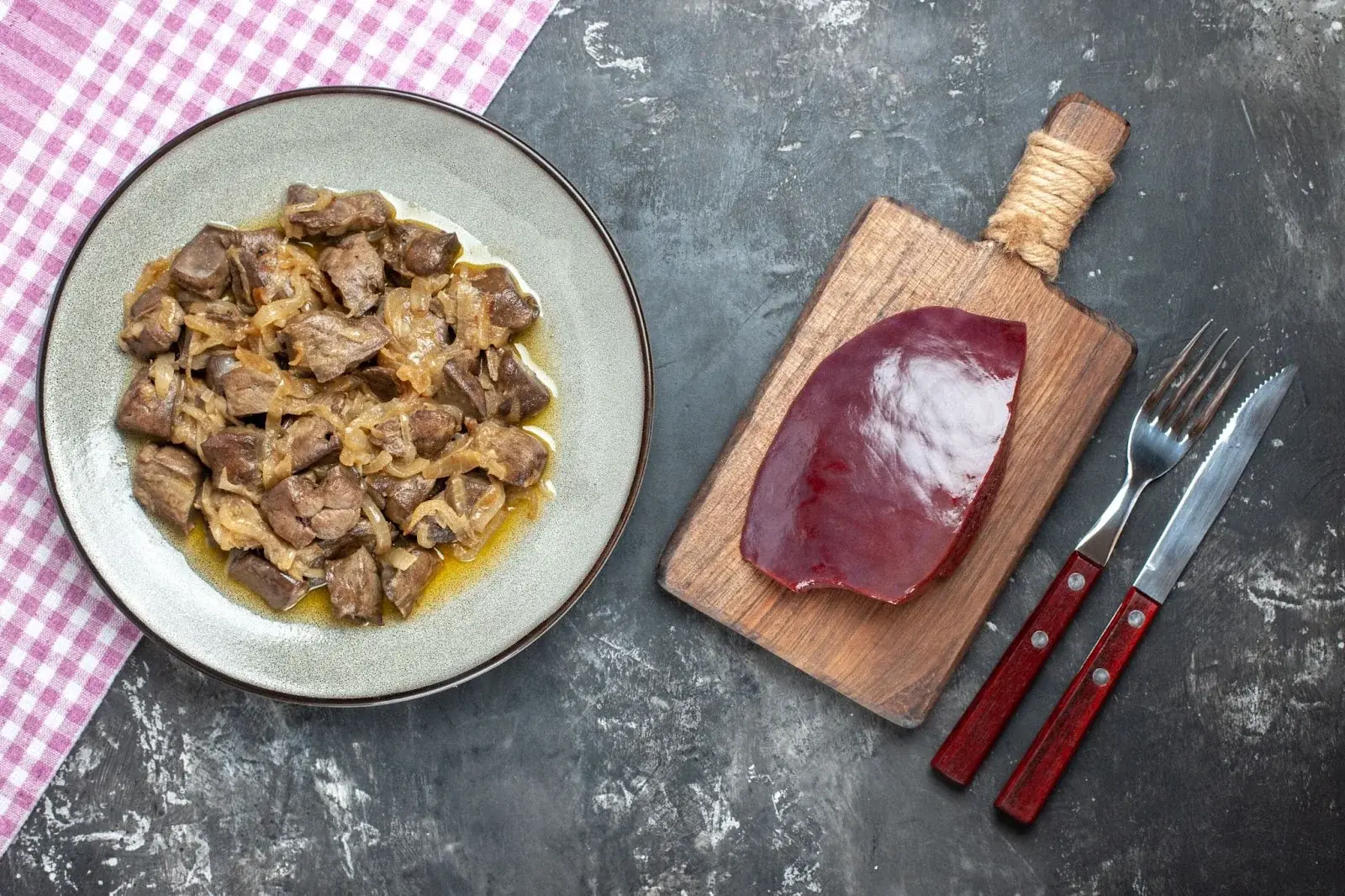
Seven Warning Signs That Your Diet May Be Providing Too Much Vitamin A
People who regularly consume liver, pâté, cod liver oil, or supplements containing retinol should pay attention to the possibility of excessive vitamin A intake.
The following symptoms can occur in vitamin A toxicity, although none of them alone confirms the diagnosis.
1. Persistent headaches
Repeated headaches can occur with excessive vitamin A intake.
Some people may also experience dizziness or unusual pressure sensations.
2. Nausea and vomiting
Digestive discomfort is another possible sign.
Persistent nausea, particularly when combined with other symptoms, deserves medical assessment.
3. Unusual skin changes
Excessive vitamin A can contribute to dry, peeling, or irritated skin.
Some people may notice changes in their lips or other areas of the body.
4. Bone and joint discomfort
Long-term excessive intake may affect bone health.
People who experience unexplained bone pain should not automatically assume that vitamin A is responsible, but their dietary and supplement history may be relevant.
5. Unusual fatigue
Excessive vitamin A can produce general symptoms that overlap with many other medical conditions.
Persistent tiredness should be investigated rather than treated with additional supplements without a clear reason.
6. Blurred vision
Visual disturbances can occur in more serious cases of vitamin A toxicity.
Sudden changes in vision require prompt medical assessment.
7. Abdominal discomfort
Nausea and other digestive symptoms may accompany excessive intake.
If abdominal discomfort is severe, persistent, or accompanied by repeated vomiting, professional evaluation is important.
These warning signs should not be used as a self-diagnosis checklist.
Vitamin A toxicity is assessed through a medical history, examination, and appropriate investigations when necessary.