People who follow vegan diets generally need reliable fortified foods or an appropriate B12 supplement.
Alternatives for Iron
Iron can be obtained from both animal and plant sources.
Beef, poultry, fish, beans, lentils, tofu, and iron-fortified cereals can all contribute to daily iron intake.
Combining plant-based iron sources with foods rich in vitamin C can improve the absorption of non-heme iron.
For example, adding tomatoes, bell peppers, citrus fruits, or other vitamin C-rich foods to a meal containing beans or lentils can be helpful.
People diagnosed with iron-deficiency anemia should follow medical advice because dietary changes alone may not correct the underlying problem.
Alternatives for Copper
Copper is available in several foods, including:
-
Nuts.
-
Seeds.
-
Shellfish.
-
Whole grains.
-
Chocolate.
-
Legumes.
These foods can contribute copper without requiring frequent consumption of beef liver.
However, people with Wilson's disease may need a much more individualized approach.
Alternatives for Protein
Protein is widely available in everyday foods.
Fish, eggs, poultry, lean meat, dairy products, beans, peas, lentils, and soy products can all help meet protein requirements.
A varied diet is generally more practical than depending heavily on one concentrated source.
Why Eating More Nutrients Does Not Always Mean Being Healthier
The popularity of beef liver reflects a broader misunderstanding about nutrition.
People often hear that a particular food contains large quantities of vitamins and minerals and assume that eating more of it must be beneficial.
But the human body does not work that way.
Nutrients are required within appropriate ranges.
When intake is insufficient, the body may develop deficiencies.
When intake becomes excessive, certain nutrients can cause unwanted effects.
Vitamin A is a particularly clear example because it is stored in the body.
Copper provides another example because the body needs to regulate its concentration carefully.
The same general principle applies to many vitamins and minerals.
Taking high doses of supplements without a medical reason can create problems even when the nutrients themselves are essential.
A balanced diet is not about maximizing the amount of every nutrient at every meal.
It is about obtaining sufficient amounts from different foods while avoiding unnecessary excess.
Beef liver can contribute valuable nutrients, but it cannot replace a varied diet.
People should also be cautious about online claims that describe one food as a cure for fatigue, anemia, weak immunity, or other health problems.
Nutritional benefits should never be confused with proven medical treatment.
A Practical Example: How Frequent Liver Consumption Can Add Up
Imagine someone who enjoys beef liver and decides to include it in their meals several times a week.
They also take a daily multivitamin and occasionally use cod liver oil because they believe these products support immunity and energy.
Individually, each choice may seem reasonable.
However, the combined nutritional intake can become excessive.
A serving of beef liver already provides a substantial amount of preformed vitamin A and copper.
A multivitamin may add additional retinol, while cod liver oil can contribute even more.
If the person repeats this pattern for months, they may consistently consume more vitamin A than recommended.
The problem is not necessarily one particular meal.
It is the accumulation of multiple sources over time.
This is why healthcare professionals often ask patients about supplements when evaluating unexplained symptoms.
A person may remember eating liver but forget to mention the fish oil, multivitamin, or other products they take regularly.
Keeping a simple record of supplements and frequently consumed nutrient-rich foods can make dietary assessment easier.
It is also a good reason to read product labels rather than assuming that every supplement is harmless because it is sold as a natural product.
What Doctors Want Consumers to Understand
The central message about beef liver is not that it should be considered poisonous.
It is that highly concentrated foods require a little more attention than ordinary everyday ingredients.
Beef liver contains nutrients that are genuinely valuable.
It supplies protein, iron, vitamin B12, folate, copper, and vitamin A.
For some people, these nutrients can make it a useful occasional part of a varied diet.
However, its unusually high retinol and copper content means that frequent large servings may not be appropriate.
Pregnant women should avoid liver because excessive preformed vitamin A can harm fetal development.
People with Wilson's disease need special care because of copper metabolism.
People with gout may need to limit purine-rich organ meats.
Older adults should pay attention to long-term vitamin A intake, particularly when using supplements.
And everyone should follow basic food-safety precautions when handling and cooking raw liver.
Most importantly, no one should begin eating large quantities of beef liver to treat fatigue, anemia, or another medical problem without first understanding the underlying cause.
A nutrient-rich food can support a healthy diet, but it is not a substitute for diagnosis or appropriate treatment.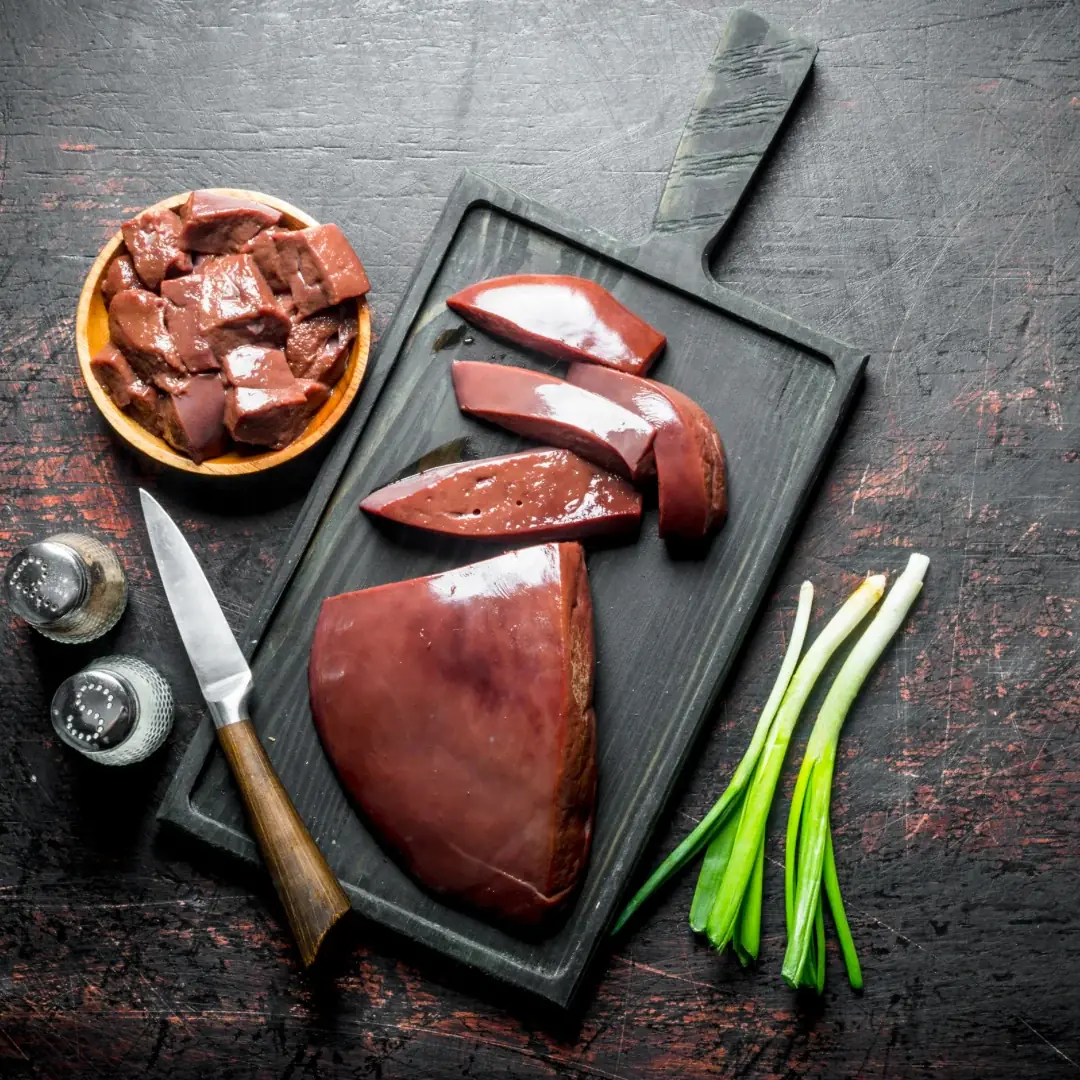
Five Mistakes People Make When Eating Beef Liver
Even people who understand that beef liver is nutritious can make mistakes when including it in their diets.
Some of these mistakes involve portion sizes, while others relate to supplements and food preparation.
Mistake 1: Eating it every day because it is rich in vitamins.
Beef liver is not an ordinary everyday protein source. Its concentrated vitamin A and copper content make frequent large servings unnecessary and potentially problematic.
Mistake 2: Combining liver with several vitamin supplements.
People sometimes forget that supplements contribute to total nutrient intake. Taking products containing retinol alongside regular liver consumption can increase the risk of excessive vitamin A exposure.
Mistake 3: Assuming that natural foods cannot cause problems.
Natural foods can still cause harm when consumed in excessive quantities. The same principle applies to concentrated minerals, vitamins, and certain herbal products.
Mistake 4: Eating it undercooked.
Raw or inadequately cooked animal products can carry harmful microorganisms. Proper handling and thorough cooking are important.
Mistake 5: Using liver to treat an undiagnosed health problem.
Fatigue, dizziness, weakness, and pale skin may have many causes. Eating liver without understanding the underlying condition can delay appropriate treatment.
Avoiding these mistakes does not require complicated dietary rules. It simply requires understanding what the food contains and how frequently it should be consumed.
The Bottom Line: Is Beef Liver Good or Bad for Your Health?
Beef liver is a food with two very different sides.
On one hand, it is exceptionally nutritious. It contains high-quality protein, vitamin B12, iron, folate, copper, and vitamin A. These nutrients contribute to important functions throughout the body.
On the other hand, its concentrated nutritional composition means that excessive consumption can create problems.
The most important concerns involve vitamin A accumulation, excessive copper intake, purine consumption among people with gout, and foodborne illness caused by improper preparation.
Pregnant women should avoid liver and liver products because of the potential harm associated with excessive preformed vitamin A.
For other adults, the appropriate approach depends on their health, dietary pattern, and supplement use.
The image of a doctor examining a large piece of beef liver may look dramatic, but the real lesson is surprisingly simple: a food can be nutritious without being suitable for unlimited consumption.
Rather than eliminating beef liver out of fear, consumers should understand its nutritional concentration and make informed choices.
Sometimes, the healthiest decision is not adding more of a supposedly beneficial food to the plate. It is knowing when enough is enough.