Doctors Reveal What Happens When You Eat Cashews Regularly — A Closer Look at the Science
These creamy nuts contain healthy fats, protein and essential minerals, but the amount you eat can make a real difference.
A small handful of cashews may look like an ordinary snack, but inside those curved, creamy nuts is a combination of nutrients that supports several important functions in the human body. They provide unsaturated fats, plant-based protein, magnesium, copper, zinc and other minerals. These nutrients help the body maintain normal muscle activity, support the immune system, produce energy and keep many everyday processes working properly.
That is why cashews are often included in discussions about heart health and balanced nutrition. Some research suggests that eating nuts regularly as part of a healthy diet may be associated with better cardiovascular health. Cashews, in particular, contain fats that can be a useful alternative to foods rich in saturated fat.
But there is another side to the story. Cashews are energy-dense, salted varieties can contain considerable sodium, and people with a cashew allergy must avoid them. Eating more does not automatically mean receiving more health benefits. The difference between a sensible portion and excessive snacking can matter, especially for people managing their weight, blood pressure or kidney health.
So what actually happens when you eat cashews regularly? Can they help support healthy cholesterol levels? What do magnesium and copper do inside the body? And are there circumstances in which this popular snack should be limited?
The answers are more interesting—and more practical—than a simple claim that cashews are either good or bad. To understand their real value, we first need to look inside a typical serving and then examine how its nutrients fit into the body's daily needs.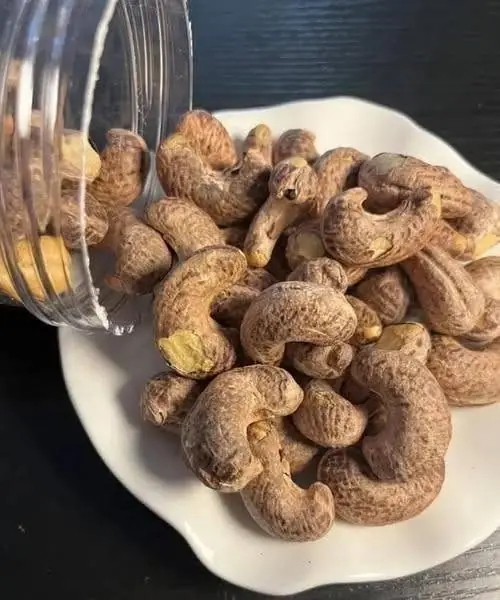
Chapter 2: The Healthy Fats That Make Cashews Interesting
One of the most important features of cashews is their fat content. Although the word fat is often associated with unhealthy eating, not all dietary fats have the same effect on the body.
Cashews contain a mixture of monounsaturated, polyunsaturated and saturated fatty acids. Much of their fat comes from unsaturated fats, which are generally considered more favorable for cardiovascular health when they replace foods rich in saturated fat.
Monounsaturated fats are found in foods such as olive oil, avocados and several types of nuts. Polyunsaturated fats are present in nuts, seeds and certain vegetable oils. Both types can be part of a balanced eating pattern.
The important issue is not simply how much fat a food contains. It is also the type of fat and what that food replaces.
For example, replacing a snack high in saturated fat with a modest serving of unsalted cashews may improve the overall quality of a person's diet. The cashews provide unsaturated fats and minerals instead of relying on foods that may contain more saturated fat, refined carbohydrates or sodium.
Harvard's Nutrition Source explains that unsaturated fats can help improve blood cholesterol patterns when they replace saturated fats in the diet. It also emphasizes that nuts are valuable sources of healthy fats and other nutrients.
This does not mean that cashews should be added without considering the rest of the diet. They contain a substantial amount of energy in a relatively small serving. If someone eats a large bowl of cashews on top of their usual meals and snacks, the extra calories may make it harder to maintain a healthy weight.
A more useful approach is substitution. Instead of reaching for chips, pastries or another snack that provides fewer useful nutrients, a person can choose a measured portion of cashews. In this situation, the nuts are not simply adding calories; they are replacing another food.
The distinction may seem small, but it is central to healthy eating. A nutrient-rich food is most useful when it improves the overall pattern of the diet rather than becoming an unlimited addition to it.
Chapter 3: What Cashews May Do for Cholesterol Levels
Cholesterol is a waxy substance that the body needs to build cells and produce certain hormones. The liver makes much of the cholesterol the body requires, while food can also influence blood cholesterol levels.
Two measurements are especially important in discussions about cardiovascular health: low-density lipoprotein cholesterol, commonly called LDL, and high-density lipoprotein cholesterol, known as HDL.
LDL is often described as "bad" cholesterol because elevated levels can contribute to the buildup of plaque inside arteries. HDL is sometimes called "good" cholesterol because it participates in transporting cholesterol away from tissues, although cardiovascular risk is more complicated than simply trying to raise one number and lower another.
Dietary fats can influence cholesterol levels. Replacing some saturated fats with unsaturated fats may help lower LDL cholesterol. This is one reason nuts are often included in heart-conscious eating patterns.
Cashews have also been studied directly. A randomized, crossover, controlled-feeding trial published in the American Journal of Clinical Nutrition examined the effects of cashew consumption in 51 adults who had or were at risk of elevated LDL cholesterol. Participants followed diets containing cashews or potato chips for separate periods.
The researchers reported that the cashew diet produced a more favorable change in total cholesterol and LDL cholesterol than the control diet. The study lasted 28 days for each dietary period and used cashew portions ranging from 28 to 64 grams per day.
The result is interesting because it provides evidence beyond general observations about nut consumption. It suggests that including cashews in place of a less favorable snack may help improve certain cholesterol measurements.
However, the study should not be exaggerated. It involved a relatively small group of participants and a short intervention period. It did not prove that cashews prevent heart attacks, eliminate arterial plaque or replace cholesterol-lowering medication.
It also does not mean that everyone will experience the same change. Blood cholesterol is influenced by genetics, body weight, physical activity, smoking, medical conditions, medications and the overall diet.
The most reasonable conclusion is that cashews can be part of a dietary pattern that supports healthier cholesterol levels, particularly when they replace snacks high in saturated fat or refined carbohydrates.
People with high cholesterol should continue following their medical advice. Eating cashews may complement a heart-conscious diet, but it should not be used as a reason to stop prescribed medication or skip follow-up blood tests.
Chapter 4: Magnesium and the Role It Plays in the Body
Cashews are a useful source of magnesium, an essential mineral involved in hundreds of processes throughout the body.
Magnesium helps muscles contract and relax, supports normal nerve signaling and participates in energy production. It also contributes to the regulation of blood glucose and blood pressure.
The body needs magnesium every day, but it cannot produce enough of this mineral on its own. It must come from food or, when medically appropriate, supplements.
A small serving of cashews provides a meaningful amount of magnesium. It is not the only source, however. Leafy green vegetables, beans, whole grains, seeds and other nuts also contribute to magnesium intake.