A 28-gram serving contains approximately 155–170 calories, depending on the product and preparation. That is a meaningful amount of energy for a small handful.
If someone eats cashews in addition to their usual meals, without reducing other snacks or adjusting portions, the extra calories may contribute to weight gain over time.
But if cashews replace a less nutritious snack, the overall effect may be different. A small portion can provide fat, protein and minerals in place of a product that offers fewer nutrients.
This is why nutrition experts often discuss food substitution rather than simply adding healthy foods to an existing diet.
For example, a person who usually eats a large packet of salty chips in the afternoon might replace part of that snack with a measured serving of unsalted cashews. The goal is not to eat unlimited nuts, but to improve the nutritional quality of the snack.
People also differ in how much they eat after consuming nuts. Some may naturally compensate by eating less later, while others may not. This makes portion awareness especially useful.
A practical method is to place a serving in a small bowl instead of eating directly from a large bag. It is easier to recognize how much has been consumed when the portion is visible.
Cashews can fit into weight-management plans, but they are not a weight-loss food by themselves. Regular physical activity, overall calorie intake, meal quality, sleep and long-term habits all matter.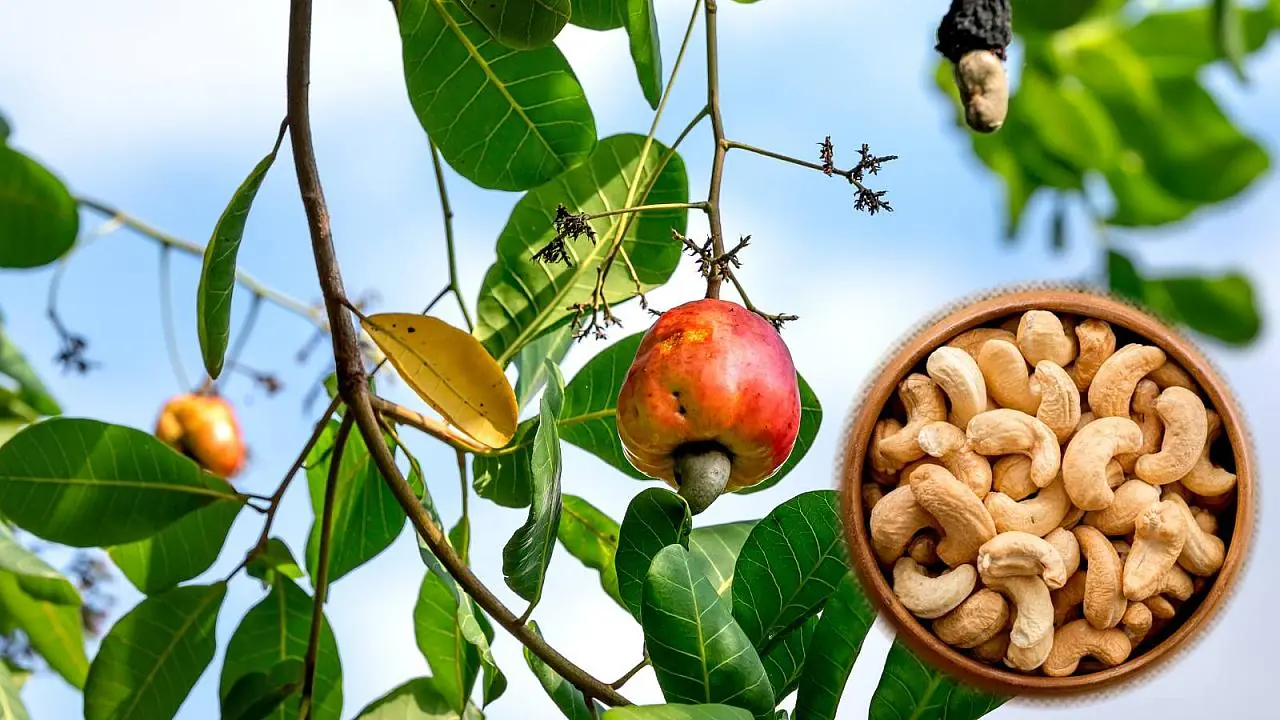
Chapter 9: Antioxidants and the Protection of Cells
Cashews contain several compounds that contribute to their nutritional value, including substances involved in antioxidant activity.
The body naturally produces reactive molecules during normal metabolism. These molecules can also increase in response to environmental exposures, inflammation and other processes.
When reactive molecules accumulate beyond the body's ability to manage them, oxidative stress can occur. Oxidative stress has been studied in connection with several chronic diseases and the aging process.
The body has its own antioxidant defense systems. These rely on enzymes, proteins and nutrients that help control the effects of reactive molecules.
Copper, manganese and other nutrients found in foods contribute to the normal functioning of some antioxidant enzymes. Cashews also contain plant compounds that have attracted scientific interest.
However, it would be misleading to describe cashews as a food that directly removes toxins from the body or prevents all forms of cellular damage.
Antioxidant activity measured in a laboratory does not automatically translate into a proven reduction in disease risk in humans. The amount absorbed, the way compounds are processed and the person's overall diet all matter.
The best way to support the body's normal protective systems is to eat a varied diet rich in vegetables, fruits, legumes, whole grains, nuts and seeds.
Cashews can be one part of that pattern, but they should not be treated as a replacement for other plant foods.
Chapter 10: How Cashews Fit Into a Heart-Healthy Eating Pattern
Heart health is influenced by several interconnected factors, including blood pressure, cholesterol, blood glucose, smoking, physical activity, sleep and genetics.
No single food can control all of these factors. Nevertheless, the overall quality of a person's diet can make an important contribution.
Cashews may fit into a heart-conscious eating pattern because they provide unsaturated fats and minerals. When they replace foods high in saturated fat or refined carbohydrates, they can help improve the nutritional quality of the diet.
Research on nuts more broadly has found associations between regular nut consumption and lower cardiovascular risk. Harvard's Nutrition Source summarizes evidence from large observational studies in which people who ate nuts regularly tended to have lower rates of certain cardiovascular outcomes than those who rarely ate them. These findings support the role of nuts within healthy dietary patterns, although they do not prove that cashews alone produce the same results.
The distinction between individual foods and overall patterns is important. People who regularly eat nuts may also be more likely to eat vegetables, whole grains and other nutritious foods. They may differ in physical activity, smoking habits and other behaviors.
Researchers try to account for these differences, but observational studies cannot eliminate every possible influence.
The controlled cashew trial provides more specific evidence about cholesterol measurements, but it was relatively small and short. It is a useful piece of research, not a final answer to every question about long-term heart health.
For everyday eating, a sensible approach is to choose plain or lightly roasted cashews, keep portions moderate and use them in place of less nutritious snacks.
They can be added to oatmeal, salads, vegetable dishes or homemade trail mixes. They can also be blended into sauces or used as a topping for meals.
The aim is not to make cashews the center of the diet. It is to use them as one convenient source of nutrients within a broader pattern of healthy eating.
Chapter 11: Why Salted Cashews May Not Be the Best Everyday Choice
Cashews are often sold in several forms: plain, roasted, salted, honey-coated, spicy, flavored or mixed with other snacks. Although these products may look similar, their nutritional profiles can be quite different.
Plain cashews naturally contain very little sodium. Salted varieties, on the other hand, may contain added salt that increases the sodium content considerably.
Sodium is an essential mineral. The body needs it to regulate fluid balance, support nerve signals and allow muscles to function. The problem is not sodium itself, but consuming too much over time.
Excessive sodium intake can contribute to higher blood pressure in many people. This is particularly important for individuals who already have hypertension, cardiovascular disease or certain kidney conditions.
Someone who eats a small portion of salted cashews occasionally may not need to be concerned. But a person who regularly consumes large quantities, especially alongside salty meals and processed snacks, may find that sodium intake adds up quickly.
Flavored cashews can also contain ingredients that change their nutritional value. Honey-roasted versions may include added sugar. Spicy varieties may contain seasoning blends with salt. Some packaged products may include added oils or other ingredients.
This does not mean flavored cashews must always be avoided. It simply means that the label deserves attention.
When choosing cashews for regular consumption, compare the sodium and added-sugar information between products. Unsalted or lightly salted versions are often easier to include in a diet designed to limit sodium.
Another practical point is serving size. A package may contain several servings, even though it is easy to finish the entire bag while watching television or working at a desk.
The most helpful habit is to decide how much to eat before opening the package. A measured portion makes it easier to enjoy the flavor without losing track of the amount consumed.
Chapter 12: What Happens If You Eat Too Many Cashews?
Cashews are nutritious, but that does not make unlimited consumption a good idea.
One of the main concerns is their energy density. Because they contain a substantial amount of fat, they provide many calories relative to their size. Eating large portions regularly can increase total calorie intake, particularly if the nuts are added on top of normal meals rather than replacing other snacks.