Can.cer is a complex disease influenced by genetics, environment, lifestyle, and diet. No single food causes or cures cancer on its own.
However, a growing body of scientific research shows that certain foods, when consumed frequently or in excess, may promote
inflammation, insulin resistance, oxidative stress, or hormonal imbalance—all of which can contribute to an environment where can.cer is
more likely to develop or progress.
Health professionals don’t call for panic or total elimination. Instead, they urge awareness, moderation, and smarter choices. Below are six
food categories doctors often recommend limiting because of their potential links to cancer risk, along with safer alternatives.
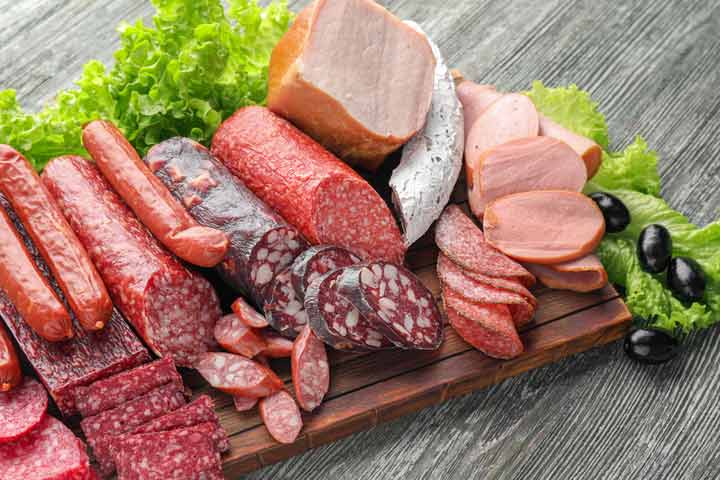
1. Processed Meats
Examples include bacon, sausages, hot dogs, deli meats, and cured ham.
Why doctors are concerned
Processed meats are classified by the World Health Organization (WHO) as Group 1 carcinogens, meaning there is strong evidence linking
them to cancer - especially colorectal cancer.
They often contain:
-
Nitrites and nitrates (which can form carcinogenic compounds)
-
High levels of sodium
-
Preservatives created through smoking or curing
What to do instead
-
Choose fresh, unprocessed meats
-
Opt for fish, legumes, eggs, or plant-based proteins
-
If consumed, keep portions small and infrequent
2. Ultra-Refined Sugars and Sugary Drinks
Examples include sodas, sweetened juices, candy, pastries, and syrups.
Why doctors are concerned
Excess sugar:
-
Raises insulin levels
-
Promotes chronic inflammation
-
Contributes to obesity (a major cancer risk factor)
Cancer cells rely heavily on glucose for energy, and while sugar doesn’t directly “feed” cancer, high sugar intake supports conditions that
help tumors grow.
What to do instead
-
Choose whole fruits instead of sugary desserts
-
Drink water, herbal tea, or unsweetened beverages
-
Read labels carefully—sugar hides under many names
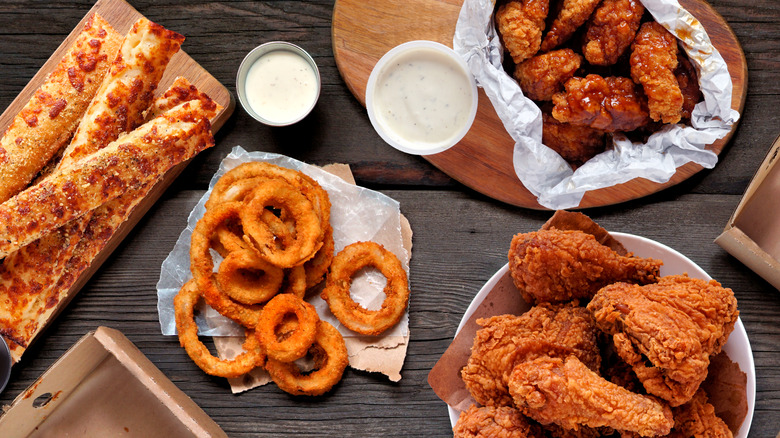
3. Deep-Fried and Overheated Foods
Examples include French fries, fried chicken, chips, and heavily charred foods.
Why doctors are concerned
High-temperature cooking methods can create:
-
Acrylamide (linked to increased cancer risk)
-
Polycyclic aromatic hydrocarbons (PAHs)
-
Advanced glycation end products (AGEs)
These compounds can damage DNA and promote inflammation.
What to do instead
-
Steam, boil, bake, or sauté at moderate temperatures
-
Avoid eating burnt or blackened portions
-
Use herbs and marinades to reduce harmful compound formation
4. Refined Carbohydrates
Examples include white bread, white rice, pastries, and many packaged snacks.
Why doctors are concerned
Refined carbs:
-
Cause rapid blood sugar spikes
-
Increase insulin resistance
-
Lack fiber, which protects gut health
Poor gut health and chronic insulin elevation are associated with higher risks of colorectal, breast, and pancreatic cancers.
What to do instead
-
Choose whole grains like brown rice, oats, quinoa
-
Increase fiber intake from vegetables and legumes
-
Pair carbs with protein and healthy fats
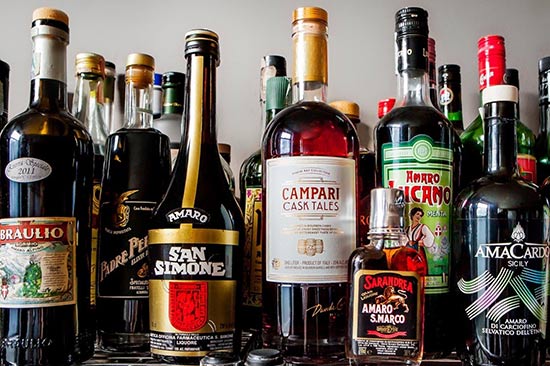
5. Alcohol
Even moderate alcohol consumption has been linked to increased cancer risk.
Why doctors are concerned
Alcohol can:
-
Damage DNA directly
-
Interfere with nutrient absorption
-
Increase estrogen levels
-
Raise risks of breast, liver, esophageal, and colorectal cancers
There is no completely “safe” level of alcohol when it comes to cancer risk.
What to do instead
-
Limit intake as much as possible
-
Have alcohol-free days each week
-
Choose non-alcoholic alternatives
6. Highly Processed Packaged Foods
Examples include instant noodles, frozen meals, flavored snacks, and fast food.
Why doctors are concerned
These foods often contain:
-
Artificial additives and preservatives
-
Trans fats
-
Excess salt and sugar
-
Low nutritional value
Long-term consumption may increase inflammation and oxidative stress, weakening the body’s defenses.
What to do instead
-
Cook more meals at home
-
Choose minimally processed foods
-
Focus on fresh vegetables, fruits, nuts, and seeds

What Doctors Emphasize Most: Patterns, Not Perfection
Doctors and nutrition experts stress that overall dietary patterns matter more than individual foods. Occasional indulgence won’t cause cancer but long-term habits can influence risk.
A cancer-protective diet often includes:
-
Plenty of vegetables (especially leafy greens and cruciferous vegetables)
-
Whole fruits
-
Healthy fats (olive oil, nuts, seeds)
-
Lean proteins
-
Adequate fiber
-
Limited ultra-processed foods
Who Should Be Extra Careful?
Dietary awareness is especially important for people who:
-
Have a family history of cancer
-
Are overweight or inactive
-
Smoke or drink alcohol
-
Have diabetes or metabolic syndrome
Final Thoughts
Food alone does not determine your fate—but it shapes the environment inside your body. Some foods may quietly increase cancer risk over time, while others help protect and repair cells.
The goal isn’t fear—it’s informed choice.
By reducing high-risk foods and prioritizing whole, nourishing options, you support your body’s natural defenses and take an important step toward long-term health.