However, a persistent sour, rotten, or otherwise unpleasant smell is a reason to avoid using the product.
Do not attempt to cover an unusual odor with spices, vinegar, or strong marinades.
Cooking is not a reliable way to make spoiled meat safe.
2. A Slimy or Sticky Surface
A slightly moist surface is normal for raw beef.
However, meat that develops a distinctly slimy, sticky, or tacky coating may be undergoing spoilage.
This is particularly concerning when accompanied by an unpleasant smell or other abnormal changes.
Do not confuse ordinary moisture with a slimy film.
If the texture seems clearly abnormal, it is safer to discard the product.
3. A Damaged or Leaking Package
Packaging provides important protection during transportation and storage.
When selecting meat, check whether the plastic film is torn, the seal is broken, or the tray is leaking.
Excessive liquid may also be worth examining, especially if the packaging looks damaged or the product has been stored for an extended period.
A small amount of natural meat juice is not automatically a warning sign.
However, a compromised package should not be ignored.
4. An Unusual Combination of Color Changes
Some discoloration can be normal.
But widespread gray or brown coloration combined with unpleasant odor, sliminess, or evidence of poor storage deserves caution.
A single color change cannot reliably establish whether meat is safe.
The combination of several warning signs is more informative.
5. Meat That Has Been Left Warm
Temperature history matters more than many shoppers realize.
Raw beef should be kept cold during transportation and refrigerated promptly after purchase.
If meat has been left in a warm car or on a kitchen counter for several hours, it may become unsafe even if it still looks red.
According to USDA food safety guidance, perishable food should generally not remain at room temperature for more than two hours, or more than one hour when the temperature is above 90°F (32°C).
Why Bright Red Beef Can Still Be Unsafe
Here is another misconception that deserves attention.
Many shoppers believe that bright red meat is automatically safe because it looks fresh.
Unfortunately, harmful bacteria cannot be identified reliably by looking at a package.
Some dangerous microorganisms do not produce obvious changes in smell, color, or texture.
This means that even attractive-looking beef can pose a food safety risk if it has been contaminated or improperly stored.
Bacteria Are Not Always Visible
Foodborne pathogens such as certain strains of E. coli and Salmonella may contaminate raw meat.
They cannot be reliably detected through visual inspection.
A steak may look normal while still requiring proper cooking and safe handling.
This is particularly important for ground beef.
When meat is ground, bacteria that may have been present on the surface can become distributed throughout the product.
For this reason, ground beef requires a higher cooking temperature than whole cuts of beef under USDA recommendations.
Why Ground Beef Needs Extra Attention
A whole steak has an outer surface and an internal structure.
When properly handled, cooking the exterior can reduce surface contamination.
Ground beef is different.
Grinding mixes the meat throughout the product, potentially distributing bacteria into its interior.
A hamburger that appears brown in the center is not necessarily safe.
Likewise, a burger that retains some pink color may already have reached the recommended temperature.
Color is not a dependable measure of doneness.
A food thermometer is much more reliable.
The USDA recommends cooking ground beef to an internal temperature of 160°F (71.1°C).
For whole beef steaks, chops, and roasts, the recommendation is at least 145°F (62.8°C), followed by a three-minute rest.
7 Things to Check Before Buying Meat at the Supermarket
Knowing why beef changes color is useful, but shoppers also need practical ways to choose meat.
Instead of focusing entirely on redness, take a few extra seconds to examine the package.
These simple habits can help you make a more informed decision.
1. Check the Packaging First
Look carefully at the plastic film and the tray.
Avoid packages with broken seals, visible leaks, or damaged wrapping.
If the packaging appears swollen or compromised, choose another product.
The packaging should protect the meat and provide clear product information.
2. Read the Date Information
Do not rely on appearance alone.
Check the relevant date printed on the package and follow the manufacturer's storage instructions.
In the United States, a sell-by date generally helps retailers manage stock and display periods. It is not automatically a food safety date.
The USDA advises that fresh beef steaks, chops, and roasts generally be used or frozen within three to five days of purchase when refrigerated correctly.
Ground beef should generally be used or frozen within one to two days.
Local labeling rules may differ, so shoppers should follow the requirements and instructions applicable to their country.
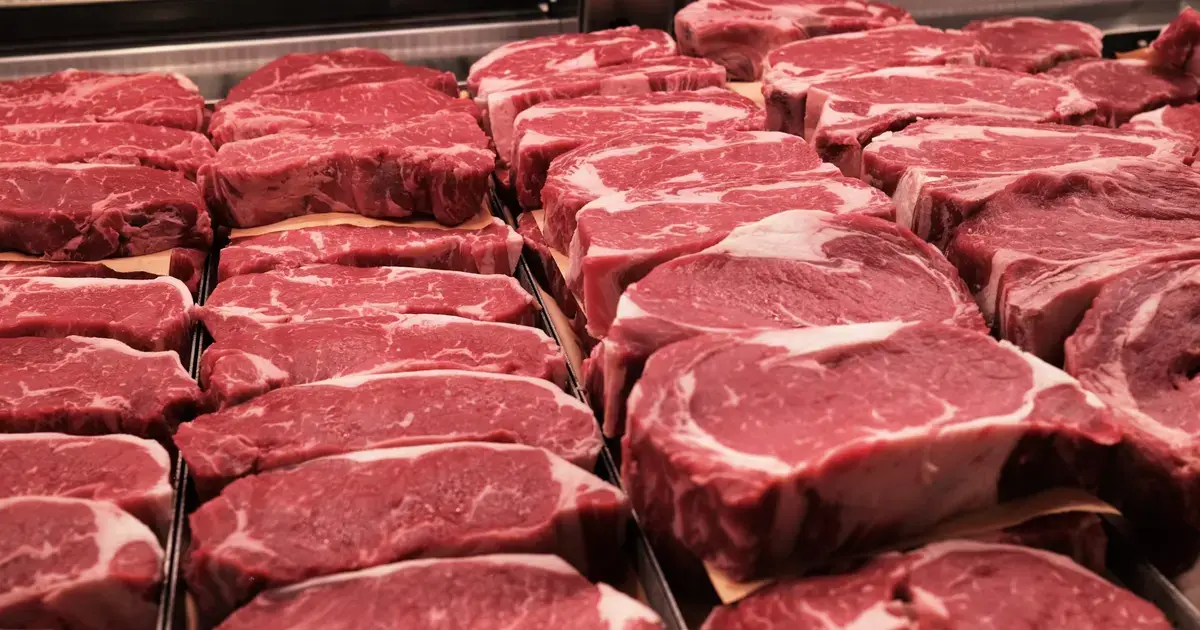
3. Check the Refrigerated Display
Meat should be displayed under appropriate refrigeration.
A supermarket display that feels noticeably warm or appears poorly maintained deserves caution.
If you are unsure whether a product has remained cold, ask a store employee.
Do not assume that bright red color proves the refrigeration system is working properly.
4. Look for Excessive Liquid
A little liquid inside a meat package is normal.
It can result from moisture released by muscle tissue during storage.
However, excessive pooling, particularly when combined with damaged packaging or other signs of deterioration, may justify choosing another package.
Do not use liquid alone as proof that meat is old.
5. Look at the Fat and Marbling
Fat distribution can tell you something about the cut and its potential cooking characteristics.
Some steaks contain visible white marbling throughout the muscle.
Others are leaner.
Neither appearance automatically determines freshness.
The amount of marbling is influenced by factors such as breed, feeding, genetics, and the animal's development.
If tenderness and flavor are your priorities, learning about individual cuts can be more useful than choosing the reddest steak.
6. Check the Country of Origin and Product Label
If you want to know where your meat comes from, look for clear origin information.
Depending on local regulations, labels may provide details about the country of origin, processing, production method, and inspection status.
Be cautious about assuming that marketing terms such as "premium," "natural," or "farm fresh" guarantee a particular quality standard.
Read the actual product information.
If a label is unclear, ask the retailer for clarification.
7. Choose the Package That Has Been Properly Stored
If you are purchasing meat for later use, think about the journey from the supermarket to your refrigerator.
Buy refrigerated meat toward the end of your shopping trip.
Keep raw meat separate from ready-to-eat foods in your shopping basket.
If the journey home is long, consider using an insulated cooler with ice packs.
Refrigerate or freeze the meat promptly.
The USDA recommends maintaining refrigerator temperatures at or below 40°F (4.4°C).
Is Supermarket Meat Actually Older Than the Meat Sold by Traditional Butchers?
Another question often appears whenever people discuss supermarket beef.
Some shoppers believe that meat sold in large supermarkets must be older than meat purchased from a traditional butcher.
Others assume that a local butcher always offers fresher products because the meat is displayed and cut in a more traditional way.