Neither assumption is universally correct.
Both supermarkets and independent butcher shops can sell properly handled, high-quality meat.
Likewise, both can sell products that are less appealing or have not been stored as carefully as they should be.
The most important factors are the supply chain, processing, packaging, refrigeration, and product handling.
Supermarkets Often Use Centralized Supply Chains
Large retailers may purchase meat from processing facilities that supply multiple stores.
The meat can be cut, packaged, labeled, and transported through refrigerated distribution systems before reaching the supermarket.
This arrangement allows retailers to maintain consistent product sizes and stock large quantities.
However, the number of steps between processing and purchase does not automatically indicate that the meat is unsafe or inferior.
The key is whether temperature controls and hygiene standards are maintained throughout the process.
Traditional Butchers May Offer More Information About Cuts
A traditional butcher may be able to explain where a particular cut comes from, how it was trimmed, and which cooking method works best.
Some independent shops also have more flexibility when preparing custom cuts or grinding meat to a customer's specifications.
But this does not automatically mean every traditional butcher has better sourcing or storage practices.
Shoppers should evaluate the actual business rather than relying on its appearance or reputation alone.
Ask Questions Instead of Guessing
If you are uncertain about the meat you are purchasing, ask the retailer:
-
When was this meat packaged?
-
Where does it come from?
-
Has it been previously frozen?
-
How should it be stored?
-
Is the meat suitable for grilling, roasting, or slow cooking?
-
What is the recommended use-by date?
A reputable seller should be able to provide relevant product information.
You do not need to become a meat scientist to shop confidently.
A few sensible questions can reveal much more than judging the color of a steak.
Does Older Animal Meat Taste Different?
The relationship between animal age and meat quality is more complicated than many people realize.
Older animals can produce meat with characteristics that differ from those of younger animals.
These differences may involve color, flavor, tenderness, and the structure of the muscle.
However, age is only one part of the equation.
Breed, diet, genetics, muscle activity, processing, and aging techniques all contribute to the final eating experience.
Flavor Can Become More Pronounced
Some beef from older cattle is described as having a deeper or more developed flavor.
This may be related to differences in muscle composition, fat characteristics, and other biological factors.
Certain producers deliberately market beef from mature animals because some consumers appreciate its distinctive flavor.
However, it would be inaccurate to claim that all older-animal beef tastes better.
Taste is subjective, and production conditions matter.
Tenderness May Be Different
As animals age, connective tissue within muscles can become more mature and resistant to breakdown.
This may influence tenderness.
Some cuts from older cattle may therefore require different cooking methods.
Slow cooking, braising, and other moisture-based techniques can help make certain tougher cuts more enjoyable.
Meanwhile, naturally tender cuts may still be suitable for grilling or pan-searing.
The best cooking approach depends on the specific cut, not simply the color of the meat.
Darker Does Not Automatically Mean More Nutritious
The darker appearance of beef is primarily related to its pigments and other characteristics of the muscle.
It does not automatically mean that the meat contains more protein, more iron, or fewer nutrients.
Beef provides high-quality protein and nutrients such as vitamin B12, zinc, selenium, and iron.
The nutritional composition varies depending on the cut, fat content, animal, and production system.
A shopper should not assume that a darker steak is healthier or less healthy simply because of its appearance.
Does the Animal's Age Determine Its Price?
Not necessarily.
Price can be influenced by numerous factors, including:
-
The cut of beef.
-
Breed and production system.
-
Marbling and grading.
-
Country of origin.
-
Processing and aging methods.
-
Transportation and storage.
-
Retail demand.
-
Brand positioning.
A premium steak from a younger animal may cost more than a cut from an older animal, but there are many exceptions.
Consumers should compare the actual product characteristics rather than assuming that one color or age category always represents better value.
What About Meat That Looks Almost Purple?
Some shoppers become particularly concerned when they open a package and find beef that looks dark purple rather than red.
This can happen with vacuum-packed meat.
Because the package contains very little oxygen, the surface pigment remains largely in the deoxymyoglobin form.
When the meat is removed from the package and exposed to air, its surface may gradually change toward a brighter red color.
This process can take some time.
The change in appearance is not necessarily a sign of spoilage.
However, it is important to distinguish normal blooming from actual deterioration.
If the meat has an unpleasant smell that persists, an abnormal slimy surface, or other signs of spoilage, do not use it.
Also remember that vacuum packaging does not make raw meat safe at room temperature.
It must remain refrigerated or frozen according to the product's instructions.
The USDA specifically warns that removing oxygen from a package does not eliminate microbial growth.
How to Store Beef Correctly After Bringing It Home
Even the best-looking meat can become unsafe if it is stored incorrectly.
Once you have selected your beef, proper handling becomes just as important as choosing the right package.
Refrigerate It Promptly
Raw beef should be refrigerated as soon as possible after purchase.
The refrigerator should maintain a temperature of 40°F (4.4°C) or below.
Avoid leaving meat on the kitchen counter while preparing other ingredients.
Cold temperatures slow bacterial growth, although they do not eliminate all microorganisms.
Keep Raw Meat Separate
Raw beef and its juices should not come into contact with cooked foods, salads, fruit, or other ready-to-eat ingredients.
Store raw meat in a sealed container or secure package.
A useful practice is to place it on the lowest refrigerator shelf so that leaking juices cannot drip onto other foods.
Use separate cutting boards and utensils for raw meat and vegetables.
Freeze Meat If You Will Not Use It Soon
If you do not intend to cook the beef within the recommended refrigerated storage period, freezing is a practical option.
For longer storage, wrap the meat securely using suitable freezer packaging.
Remove as much excess air as practical to reduce freezer burn.
Label the package with the date so you know how long it has been stored.
According to USDA guidance, beef kept continuously frozen at 0°F (-17.8°C) remains safe indefinitely, although quality may decline over time.
For best quality, steaks and roasts are generally recommended for use within approximately 9 to 12 months, while ground beef is recommended within 3 to 4 months.
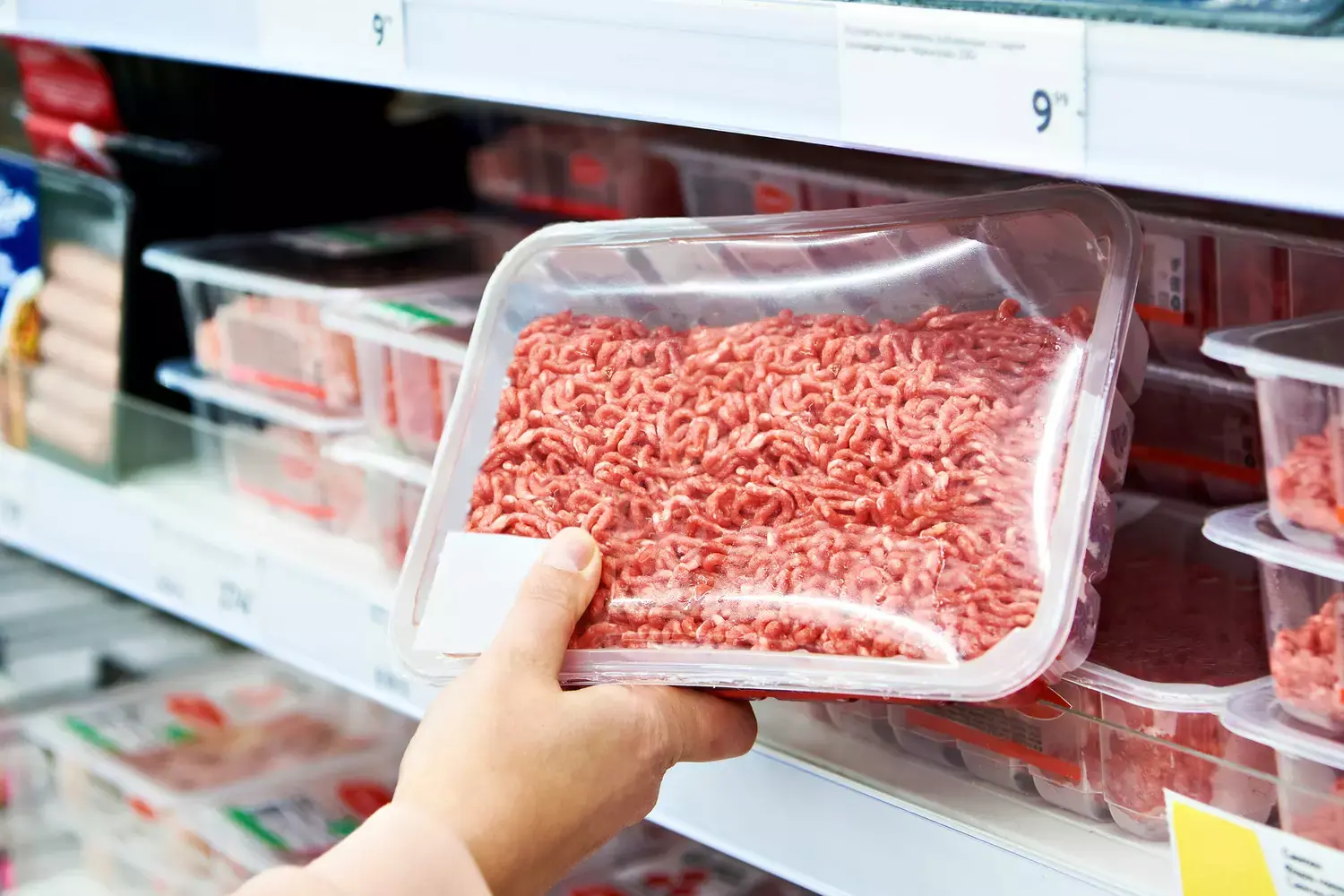
Thaw Meat Safely
There are several appropriate ways to thaw beef.
The refrigerator is generally the easiest method because it keeps the meat cold throughout the process.
You can also use cold water in a leak-proof package, changing the water regularly, or use a microwave if the meat will be cooked immediately afterward.
Avoid leaving frozen beef on the kitchen counter for hours.
The outer surface can become warm enough for bacteria to multiply while the center remains frozen.