Walk into almost any supermarket and you'll see neatly packaged trays of beef, pork, chicken, or processed meat arranged behind clean labels and attractive packaging.
The meat may be described with words like “fresh,” “premium,” “farm-raised,” “natural,” “local,” or “high quality.”
But have you ever stopped to ask a simple question?
Where did this meat actually come from before it reached the supermarket shelf?
The answer is often more complicated than consumers realize.
That doesn't necessarily mean supermarkets are secretly selling unsafe meat or deliberately misleading shoppers. Modern meat supply chains are simply much more complex than they appear. A package sitting in a refrigerator may have passed through farms, slaughterhouses, processing facilities, cold-storage warehouses, distributors, and multiple transportation networks before reaching your shopping cart.
Understanding that journey can help you become a much smarter meat shopper.
Your Meat May Have Traveled Much Farther Than You Think
When people see a package of meat labeled with a familiar supermarket brand, they may naturally imagine that the product came from a nearby farm.
Sometimes it does.
But supermarkets frequently source meat through large regional, national, or international supply chains.
For example, an animal may be:
Raised in one location → processed in another → packaged somewhere else → stored in a distribution center → transported to a supermarket.
Depending on the product and country, imported meat may also travel across international borders before reaching consumers.
This is particularly common for countries that import substantial quantities of beef, pork, poultry, or processed meat.
So the location of the supermarket doesn't necessarily tell you where the animal was raised.
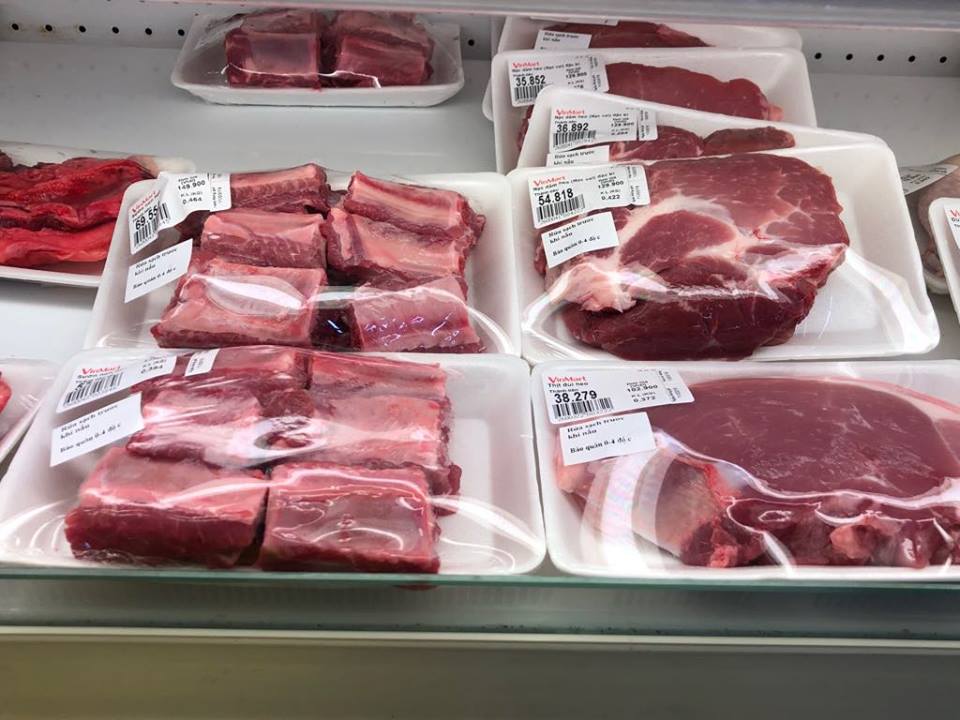
The Farm Is Only the Beginning
A typical meat supply chain can involve many different businesses.
1. The farm
The animal is raised by a farmer or livestock operation.
This is where factors such as breed, feed, housing, veterinary care, and animal management come into play.
2. Transportation
The animals are transported to a processing or slaughter facility.
3. Processing facility
The animal is processed and the carcass is divided into different cuts.
4. Further processing
Some meat may be trimmed, ground, marinated, seasoned, cured, smoked, or combined with other ingredients.
5. Packaging
The finished product is packaged and labeled according to applicable regulations.
6. Distribution
Products may be transported to a warehouse or distribution center.
7. Supermarket
Finally, the meat reaches the retail shelf or refrigerated display.
By the time you pick it up, the product may have traveled through several stages that aren't obvious from the packaging.
Imported Meat Isn't Necessarily Bad Meat
One important distinction is often lost in viral discussions about supermarket meat:
Imported does not automatically mean inferior or unsafe.
Countries regulate imported meat through food-safety systems, inspection requirements, and import controls.
Meat produced in another country can be perfectly legitimate and safe when it meets the requirements of the country where it is sold.
Likewise, meat produced domestically isn't automatically better simply because it was raised closer to you.
Instead of asking only:
“Is this imported?”
it's more useful to ask:
“Where was it produced, how was it processed, and what does the label actually tell me?”
“Product of” and “Packed In” Can Mean Very Different Things
One of the most important things shoppers can learn is to distinguish between the origin of the meat and the location where it was packaged.
A package may have been:
-
Raised in one country
-
Processed in another
-
Packaged somewhere else
-
Sold under a retailer's brand
The exact labeling rules differ depending on the country.
That's why reading the label carefully matters.
Words such as “packed,” “processed,” “distributed,” or “prepared” should not automatically be interpreted as meaning that the animal was raised in that same location.
The packaging facility and the animal's origin are two different pieces of information.
Private-Label Meat Can Make the Supply Chain Less Obvious
Walk through a supermarket and you'll see plenty of meat sold under the supermarket's own brand.
That doesn't necessarily mean the supermarket owns the farms or processing plants that produced it.
Retailers can purchase products from outside suppliers and sell them under their own private-label brands.
This is completely normal in modern retail.
The supermarket's name on the package may therefore tell you who is selling the product, rather than exactly who raised the animal.
If origin matters to you, look beyond the brand name.
Ground Meat Deserves Extra Attention
Ground meat is different from an intact steak or whole cut.
When meat is ground, multiple pieces can be combined into one product. Depending on the supply chain and applicable regulations, ground meat may therefore represent meat from more than one animal or production batch.
That's not inherently dangerous.
But it means that proper refrigeration, handling, and thorough cooking become especially important.
Ground beef, pork, poultry, and other ground meats should be cooked according to appropriate food-safety guidance.
The center of ground meat can contain bacteria that were originally on the surface of the meat, because grinding distributes material throughout the product.
Processed Meat Is Another Category Entirely
Not everything in the meat section is simply a piece of an animal.
Products such as:
-
Sausages
-
Hot dogs
-
Bacon
-
Ham
-
Deli meats
-
Meatballs
-
Breaded meat products
-
Some ready-to-cook products
may undergo substantial processing.
Ingredients can include:
-
Salt
-
Spices
-
Preservatives
-
Sugar
-
Seasonings
-
Binders
-
Other additives
This doesn't mean processed meat is automatically dangerous or that you must never eat it.
But it does mean you shouldn't evaluate a heavily processed meat product in exactly the same way you evaluate a fresh cut of chicken breast or beef.
“Natural” Doesn't Always Mean What Shoppers Assume
Marketing language can be confusing.
Words such as:
Natural
Premium
Farm-style
Traditional
Fresh
Quality
Select
can create a particular impression in the mind of the shopper.
But a marketing phrase doesn't necessarily tell you everything about:
-
Where the animal was raised
-
What it was fed
-
How it was processed
-
How long it traveled
-
Whether it was frozen previously
-
Whether additives were used
The legal meaning of these terms also varies by jurisdiction.
That's why the ingredient list, mandatory labeling information, and certification marks are generally more useful than relying on attractive marketing language alone.

What Does “Fresh” Actually Mean?
The word “fresh” can also be misunderstood.
Fresh meat generally refers to meat that hasn't undergone certain preservation processes, but the exact legal definition depends on the jurisdiction and product.
Fresh does not necessarily mean:
“The animal was slaughtered yesterday.”
Meat can move through a sophisticated refrigerated supply chain while maintaining appropriate temperatures and still be sold as fresh under applicable rules.
Some meat is also frozen and later sold or used in processed products.
Again, the important thing is to understand the label rather than assume what a marketing term means.
Frozen Meat Isn't Automatically Inferior
Many consumers believe that fresh meat must always be better than frozen meat.
That's not necessarily true.
Freezing is a preservation method that can extend shelf life and reduce food waste.
When handled correctly, frozen meat can retain much of its nutritional value.
In some cases, freezing shortly after processing can also help preserve quality during transportation and storage.
The bigger issues are often:
-
Temperature control
-
Packaging integrity
-
Storage duration
-
Thawing practices
-
Handling after thawing
A properly frozen product can be a perfectly reasonable choice.
Why Meat Can Come From Multiple Countries
The global meat industry operates at enormous scale.
Different regions specialize in different products because of:
-
Climate
-
Land availability
-
Feed costs
-
Labor
-
Production efficiency
-
Consumer demand
-
Trade agreements
-
Processing capacity
-
Transportation infrastructure
As a result, supermarkets may source different cuts and products from different suppliers.
One package of beef might come from one supply chain, while a package of chicken sitting directly beside it may come from another.
This is why assuming that everything in a supermarket's meat department comes from the same country is usually incorrect.
The Barcode Doesn't Tell You Everything
Some shoppers assume they can determine a food's origin simply by looking at a barcode.
That's unreliable.
A barcode generally identifies the company or product registration system associated with the item; it isn't a universal guarantee of where the food or animal originated.
If you're trying to determine origin, look specifically for the country-of-origin or production information required by the local labeling system.
Don't rely on the first few digits of a barcode as proof of where the meat was produced.
What About “Raised Locally”?
“Local” can be useful, but consumers should still understand exactly what the claim means.
Depending on the retailer and applicable rules, local may refer to:
-
The farm
-
The processing facility
-
A geographic region
-
The distance from the store
-
A particular supplier program
If buying locally produced meat is important to you, look for specific information about the farm, producer, or geographic origin rather than assuming the word alone answers every question.
How to Become a Smarter Meat Shopper
You don't need to become an expert in the global meat industry.
A few simple habits can make a big difference.
1. Read the entire label
Don't stop at the large brand name on the front.
Check:
-
Country-of-origin information
-
Ingredients
-
Storage instructions
-
Use-by or sell-by information
-
Handling instructions
-
Certification claims
-
Weight and price per unit
2. Look at the ingredient list
For an unprocessed cut of meat, the ingredient list may be extremely simple.
For processed products, however, you may find numerous ingredients.
This lets you distinguish between a basic meat product and something that contains significant amounts of salt, sugar, preservatives, or other ingredients.
3. Check the packaging
Avoid packages that appear:
-
Torn
-
Leaking
-
Open
-
Severely damaged
-
Unusually swollen
The meat should also be stored at the appropriate temperature.
4. Pay attention to the price—but don't assume cheap means dangerous
A low price doesn't automatically mean poor quality.
Prices can differ because of:
-
Cut
-
Supply
-
Season
-
Promotions
-
Country of origin
-
Production costs
-
Retailer pricing
Likewise, an expensive package isn't automatically healthier or safer.
The Most Important Issue Is Often Food Safety
Instead of becoming obsessed with whether meat traveled 100 miles or 5,000 miles, consumers should focus on the things that genuinely matter.
That includes:
Proper refrigeration.
Safe handling.
Avoiding cross-contamination.
Checking packaging.
Cooking meat appropriately.
Storing leftovers safely.
Even excellent-quality meat can become unsafe if it's mishandled after purchase.
Don't Wash Raw Meat Just Because You Think It Makes It Safer
A common kitchen habit is washing raw chicken or other meat before cooking.
But splashing contaminated water around the sink can spread bacteria to nearby surfaces.
Cooking meat properly is a much more effective way to control foodborne pathogens than washing raw meat.
If you handle raw meat:
-
Wash your hands before and after handling it.
-
Use separate cutting boards when appropriate.
-
Keep raw meat away from ready-to-eat foods.
-
Clean surfaces after preparation.
-
Cook the meat to a safe internal temperature.
-
Refrigerate leftovers promptly.
The Real Lesson Isn't “Never Buy Supermarket Meat”
Viral posts sometimes suggest that supermarket meat is secretly made from mysterious sources or that consumers are being deliberately deceived.
The reality is usually more ordinary—and more complicated.
Supermarket meat is part of a huge food-production network involving farmers, processors, distributors, regulators, retailers, and transportation companies.
There are certainly cases of food fraud, mislabeling, recalls, and supply-chain failures. Those situations deserve serious attention.
But they shouldn't be used to claim that all supermarket meat is suspicious.
A better approach is to become an informed consumer.
What Should You Look for When Buying Meat?
A simple checklist can help:
Before buying:
✓ Check the origin information
Know what the label actually says.
✓ Read the ingredients
Especially for processed meat.
✓ Examine the package
Avoid damaged or leaking packaging.
✓ Check the date
Follow the product's storage and use instructions.
✓ Keep it cold
Don't leave meat sitting in a warm car for an extended period.
✓ Separate raw meat
Keep it away from foods you'll eat without cooking.
✓ Cook appropriately
Use a food thermometer when practical.
✓ Refrigerate leftovers promptly
Don't leave cooked meat at room temperature for prolonged periods.
There's Nothing Wrong With Asking Where Your Food Comes From
Perhaps the biggest lesson is simply this:
Don't buy food blindly.
You don't need to distrust every supermarket or assume every package contains something suspicious.
Instead, become curious.
Ask:
Where was this animal raised?
Where was it processed?
Was it imported?
What ingredients were added?
How was it stored?
What does the label actually guarantee?
Those questions give you much more useful information than sensational social-media claims.
Final Thoughts
The meat sitting in a supermarket refrigerator may have traveled through a surprisingly complicated journey before reaching your kitchen.
It may have been raised on a farm hundreds or even thousands of miles away, transported to a processing facility, packaged under a retailer's brand, stored in a distribution center, and eventually delivered to your local store.
That isn't necessarily something to fear.
It's simply how modern food supply chains work.
The smartest shoppers aren't necessarily the ones who avoid every imported product or assume the most expensive meat is automatically the best.
They're the ones who read labels, understand food terminology, pay attention to handling instructions, and make decisions based on reliable information rather than fear.
So the next time you stand in front of the supermarket meat counter, don't just look at the picture on the package.
Turn it over. Read the label. Check the ingredients. Look for the origin information.
Because sometimes, the most important information about what's on your dinner plate is hiding in the small print.