Walk into almost any supermarket and you'll see neatly packaged trays of beef, pork, chicken, or processed meat arranged behind clean labels and attractive packaging.
The meat may be described with words like “fresh,” “premium,” “farm-raised,” “natural,” “local,” or “high quality.”
But have you ever stopped to ask a simple question?
Where did this meat actually come from before it reached the supermarket shelf?
The answer is often more complicated than consumers realize.
That doesn't necessarily mean supermarkets are secretly selling unsafe meat or deliberately misleading shoppers. Modern meat supply chains are simply much more complex than they appear. A package sitting in a refrigerator may have passed through farms, slaughterhouses, processing facilities, cold-storage warehouses, distributors, and multiple transportation networks before reaching your shopping cart.
Understanding that journey can help you become a much smarter meat shopper.
Your Meat May Have Traveled Much Farther Than You Think
When people see a package of meat labeled with a familiar supermarket brand, they may naturally imagine that the product came from a nearby farm.
Sometimes it does.
But supermarkets frequently source meat through large regional, national, or international supply chains.
For example, an animal may be:
Raised in one location → processed in another → packaged somewhere else → stored in a distribution center → transported to a supermarket.
Depending on the product and country, imported meat may also travel across international borders before reaching consumers.
This is particularly common for countries that import substantial quantities of beef, pork, poultry, or processed meat.
So the location of the supermarket doesn't necessarily tell you where the animal was raised.
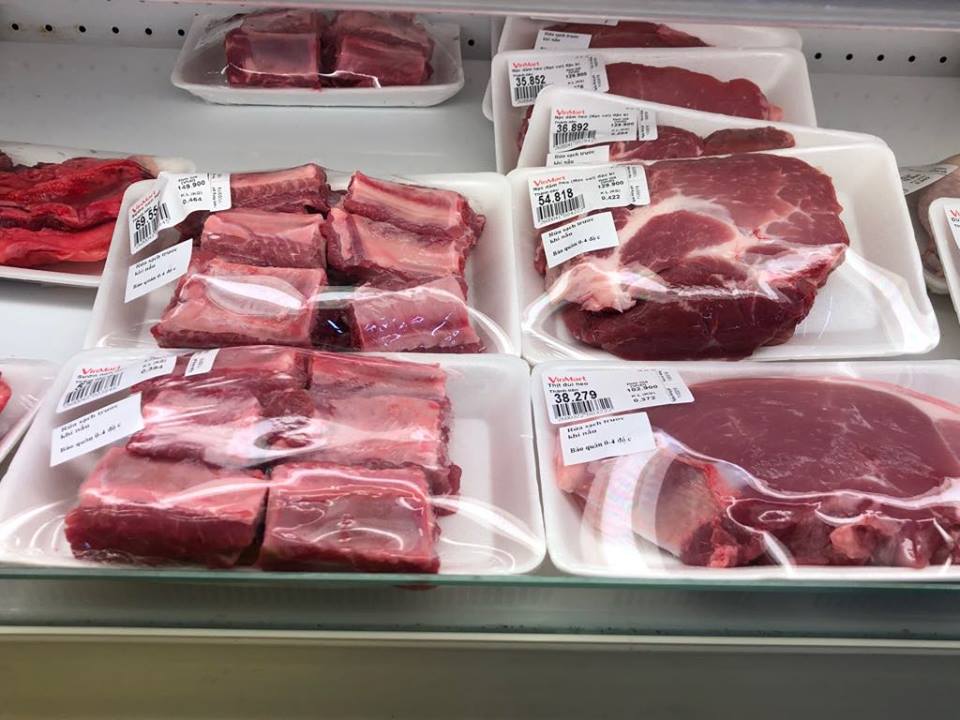
The Farm Is Only the Beginning
A typical meat supply chain can involve many different businesses.
1. The farm
The animal is raised by a farmer or livestock operation.
This is where factors such as breed, feed, housing, veterinary care, and animal management come into play.
2. Transportation
The animals are transported to a processing or slaughter facility.
3. Processing facility
The animal is processed and the carcass is divided into different cuts.
4. Further processing
Some meat may be trimmed, ground, marinated, seasoned, cured, smoked, or combined with other ingredients.
5. Packaging
The finished product is packaged and labeled according to applicable regulations.
6. Distribution
Products may be transported to a warehouse or distribution center.
7. Supermarket
Finally, the meat reaches the retail shelf or refrigerated display.
By the time you pick it up, the product may have traveled through several stages that aren't obvious from the packaging.
Imported Meat Isn't Necessarily Bad Meat
One important distinction is often lost in viral discussions about supermarket meat:
Imported does not automatically mean inferior or unsafe.
Countries regulate imported meat through food-safety systems, inspection requirements, and import controls.
Meat produced in another country can be perfectly legitimate and safe when it meets the requirements of the country where it is sold.