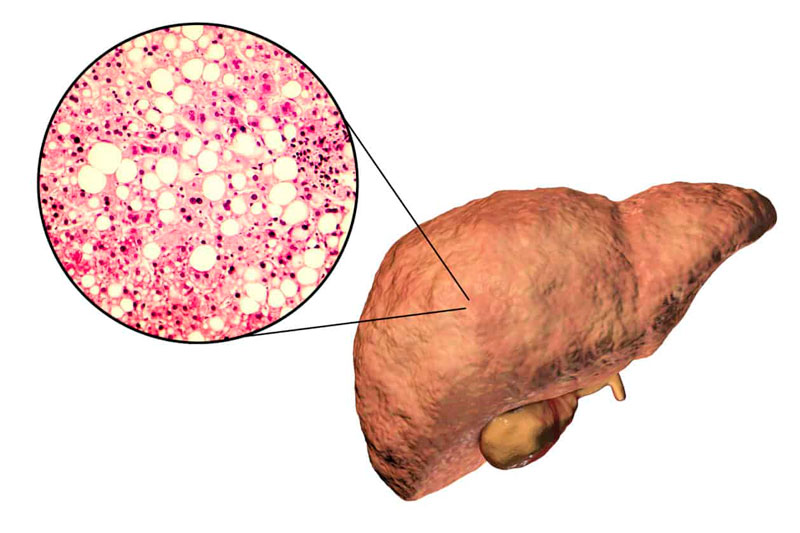
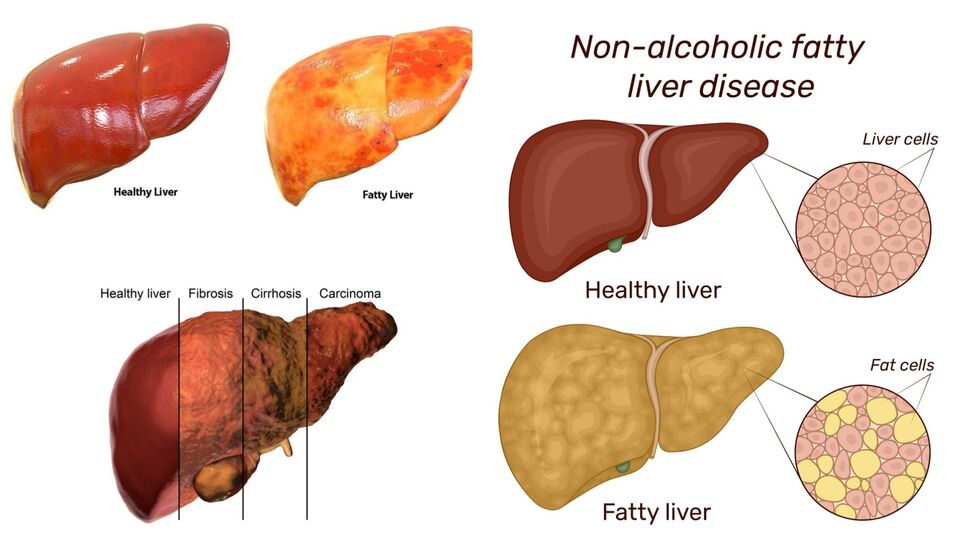
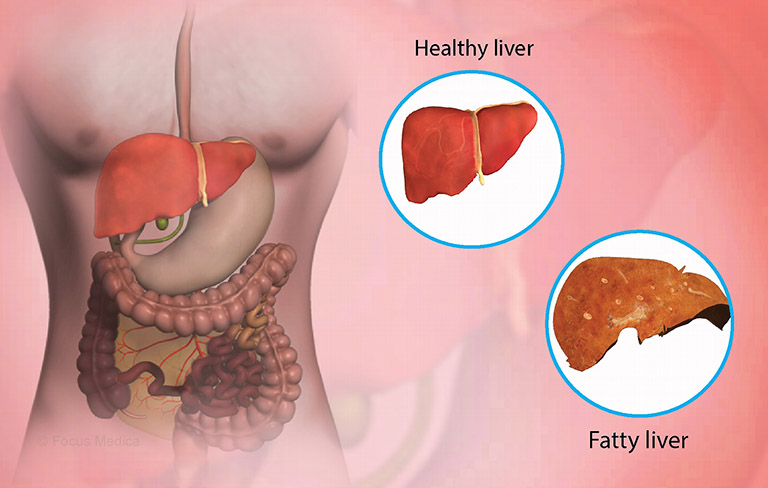
Fatty liver disease—medically known as hepatic steatosis—is becoming increasingly common, especially with modern diets, sedentary lifestyles, and rising rates of obesity and metabolic disorders. What makes it tricky is that early stages often have no obvious symptoms, so many people don’t realize they have it until it progresses.
Still, the body usually gives subtle signals. Recognizing these early can help you act before more serious damage occurs.
Below are seven symptoms that may indicate fatty liver disease, along with what they mean and why they matter.
1. Persistent Fatigue
One of the earliest and most overlooked signs is constant tiredness.
What it feels like:
- Low energy even after rest
- Difficulty concentrating
- Feeling drained throughout the day
Why it happens:
The liver plays a key role in energy metabolism. When it’s overloaded with fat, its efficiency drops, leading to fatigue.
2. Discomfort in the Upper Right Abdomen
The liver sits in the upper right side of your abdomen, just under the ribs.
What it feels like:
- Dull ache or pressure
- Mild but persistent discomfort
- Not sharp, but noticeable over time
Why it matters:
As fat accumulates, the liver may enlarge, causing that uncomfortable sensation.
3. Unexplained Weight Changes
This can go both ways:
- Some people gain weight (especially around the abdomen)
- Others experience unexpected weight loss in later stages
Why it happens:
Fatty liver is closely linked to metabolic imbalance, which affects how your body stores and uses energy.
4. Bloating and Digestive Issues
Many people report digestive discomfort.
Symptoms include:
- Bloating
- Feeling full quickly
- Indigestion
Why it happens:
The liver produces bile, which helps digest fats. When liver function is impaired, digestion becomes less efficient.
5. Elevated Blood Sugar or Insulin Resistance
Fatty liver is strongly associated with type 2 diabetes and insulin resistance.
Signs:
- Frequent hunger
- Energy crashes
- Difficulty maintaining stable blood sugar
Why it matters:
This is not just a symptom—it’s part of a larger metabolic cycle that can worsen liver health.
6. Darkened Skin (Especially Around Neck or Armpits)
A condition called acanthosis nigricans can appear.
What it looks like:
- Dark, thickened patches of skin
- Common around the neck, armpits, or groin
Why it happens:
It’s linked to insulin resistance, which is often present in people with fatty liver disease.
7. Yellowing of Skin or Eyes (Advanced Warning)
This is a more serious sign known as jaundice.
What it indicates:
- Liver function is significantly impaired
- Bilirubin is building up in the body
Important:
This is not an early symptom—it suggests progression and requires immediate medical attention.
Why Fatty Liver Is Often Missed
Most people don’t feel anything in the early stages. Symptoms are:
- Mild
- Non-specific
- Easy to ignore
That’s why fatty liver is often discovered during:
- Routine blood tests
- Ultrasound scans
Who Is at Higher Risk?
You may be at higher risk if you have:
- Overweight or obesity
- Sedentary lifestyle
- High sugar or processed food intake
- Type 2 diabetes
- High cholesterol
Even people who don’t drink alcohol can develop non-alcoholic fatty liver disease (NAFLD).
What You Can Do Early
The good news: early fatty liver is often reversible.
Key actions:
- Improve diet (reduce sugar, processed foods)
- Increase physical activity
- Maintain a healthy weight
- Stay hydrated
- Monitor blood sugar levels
Small, consistent changes make a big difference.
Final Take
Fatty liver disease doesn’t usually announce itself loudly—but your body does send signals if you pay attention.
- Persistent fatigue
- Subtle abdominal discomfort
- Metabolic changes
These are not random—they’re early warnings.
The earlier you notice and respond, the easier it is to reverse the condition and protect your long-term health.
If needed, you can describe your current lifestyle or symptoms, and I can help assess your risk level and suggest a more targeted plan.