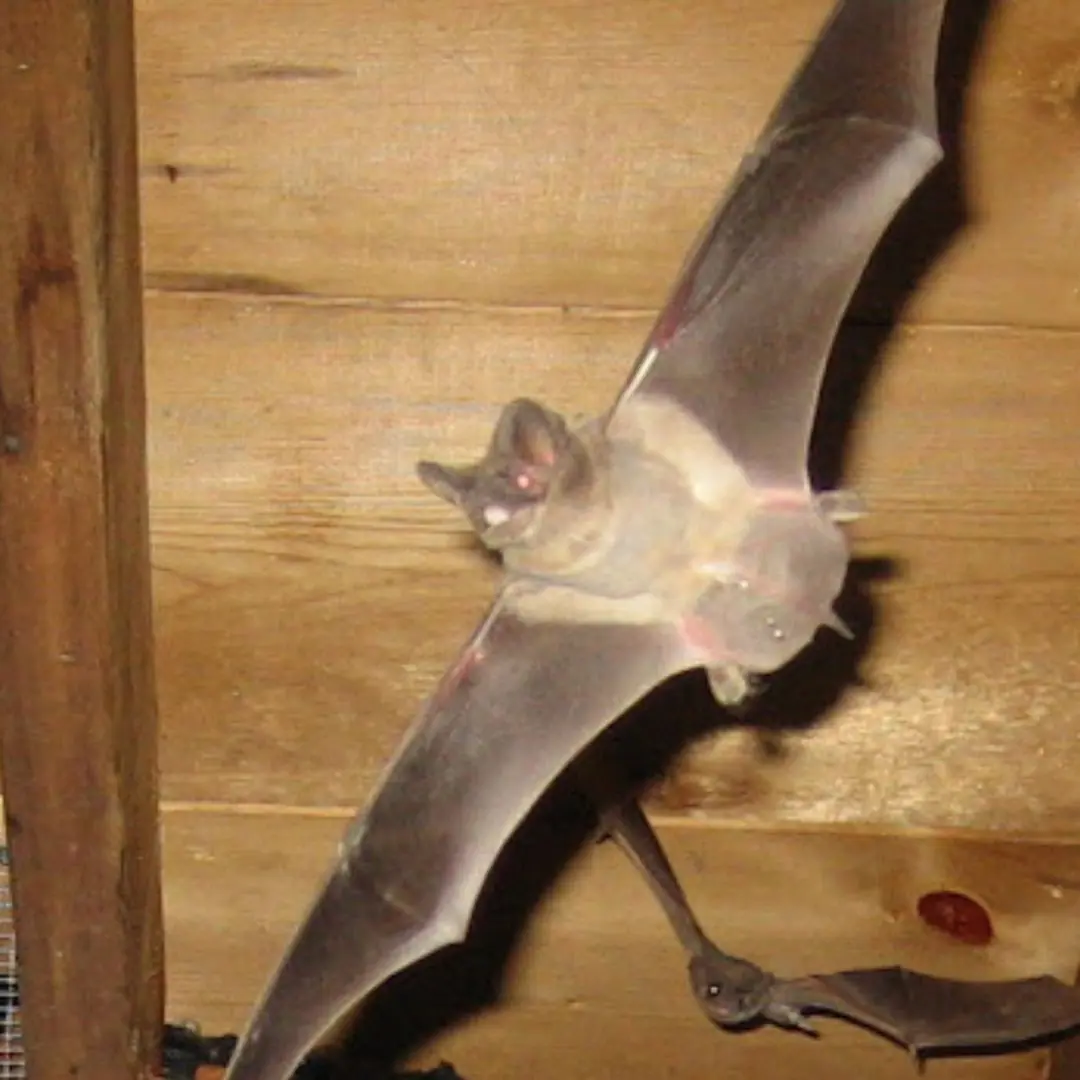
Finding a bat in your house can be a frightening experience, but in reality the bat is likely more scared than you are in that particular situation. But while the bat is highly unlikely to cause the occupants in your home any direct trouble, the presence of a bat in your home can bring on a host of other potentially serious issues - and that’s why it’s critical to remove and prevent bats before the problem gets out of hand.
Have you found a bat in your home? Here’s what you need to do to get your home bat-free and restore order in your domain.
Locate And Remove All Bats
Not all bat encounters in your house may be alike. For some homeowners, the encounter may be a one-off with a confused young bat in the wrong place at the wrong time. In other instances, the problem may be more extensive and require a more meticulous approach.
If A Single Bat Gets Inside
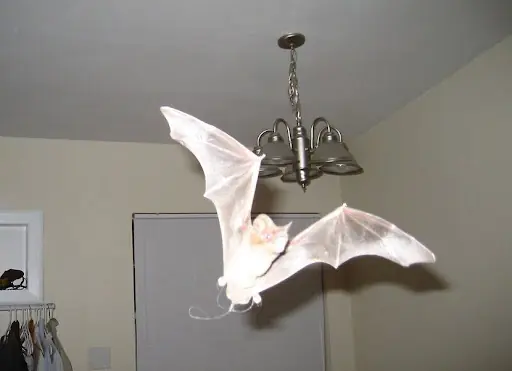
Occasionally bats find their way into houses, most often during summer nights between July and August. These cases are most commonly the result of young bats (pups) that have left their roost and just starting to fly. These types of bat encounters can usually be handled quite easily by homeowners. Young bats caught inside are known to circle a room several times searching for ways to get back outside. The most effective solution to remove a bat in this situation is to simply allow it to find its own way out. Chasing a bat or using any household objects as swatters only causes bats to panic which can significantly prolong the removal process.
- A young bat that has accidentally flown inside will likely fly in circles in search for an exit. Do not handle the bat if it lands to rest.
- Seal off the area where the bats are located as best as possible by closing all interior doors and removing any pets from the area.
- Open windows and exterior doors to encourage the bat or bats to exit on their own - that way, they will stay calmer and work out a solution at their own pace.
- You can try and utilize household items to scoop the bat into a container, and then release it outdoors. If you do attempt this, it's best to wear gloves ensuring you do not come into direct contact with the animal.
- If necessary, contact a pest professional to safely and completely remove the bat, as well as any other bats in your home.
If You Find Bats Roosting In Your Attic
If your bat problem extends beyond a single chance encounter, your solution may require a bit more work.
Obviously, the first step to getting your home bat-free is to physically remove any bats who may be hiding out unseen. Often, bats will congregate somewhere dark and undisturbed with access to the outside - attics, roofs, and crawl spaces are some of the most likely hiding places.
Although it may seem like the best first step is to look for the bats themselves, they may not always be present when you go looking. Instead, check for guano, or bat droppings, under and around prime hanging spots: brick walls, wooden beams, an open gaps in wooden frames. Urine stains on the walls along these hanging spots can also help you locate approximately where the entry point may be. You can confirm this by watching these heavily soiled spots for bats entering and exiting, typically during the evening hours in late July and August.
Once you’ve located the bats, you can take steps to safely contain them before calling on an experienced pest management professional to humanely handle and remove the bats outdoors.
Safely Clean Droppings And Any Remnants
While bats themselves can often carry diseases like rabies, the most dangerous risks from having bats in your home come from their droppings, which can host a wide variety of dangerous (and even deadly) diseases and parasites. Bat guano can contain Histoplasmosis, which can cause serious respiratory infections in humans. Bats themselves can also carry blood-sucking bugs that can attack and infect humans nearby. Plus, extended periods of fecal buildup often requires sanitation, removal, and replacement of attic insulation before an area is safe to enter again.
Because exposure to the droppings themselves can be so dangerous, it’s critical to maintain proper hygiene standards when cleaning and disposing of any bat droppings that may be present, as well as any carcasses you may find in roosting spaces. For most homeowners, the safest solution is to call a pest professional who can safely and securely sanitize your space.
Identify And Seal Entry Points
Bats will usually find the easiest entry point for quick in and out when it’s time to feed. Cut off that entry point and they may just be forced to find elsewhere to roost, leaving your home bat free and protected from unwanted interlopers.
The most common entry spots include attic vents and windows, spaces in between wood frames, and through holes caused by damage or age. These can often be hidden or obscured to the casual observer, and so it may be a good idea to have a pest professional take a look and determine where the bats are making their entrance. From there, you can seal off access and keep bats from ever getting inside your home. Just be sure there are no stragglers left inside before you close off the exit!
Consider Offering Alternatives
Bats found roosting in your home aren’t malicious, and they certainly don’t mean you any harm - in fact, because of their role as insect-eaters and mosquito snatchers, bats are actually highly beneficial to the local ecosystem. That’s why it may be a good idea to offer bats an alternative roosting spot nearby - that way, they won’t be as tempted by the security of your attic.
Bat boxes and bat houses are as easy to set up as a birdhouse, but are designed to offer ideal roosting space for bats and their pups. Consider installing a bat house on a tree or a flat surface facing south or southeast (with around 6 to 8 hours of sun) at least 10 feet off the ground. By giving bats a better alternative nearby, you make your home less appealing and allow bats to live in peace - a helpful neighbor for those buggy summer nights.
Don’t Let A Bat Problem Hang Over Your Head
A bat problem won’t solve itself, especially if you don’t take active steps to address it. Taking action ensures that bats are removed safely and effectively, without harm to either the animals or yourself.
If you’re struggling with a bat problem - whether sudden or suspect - get in touch with our experienced bat removal professionals at JP Pest Services. We understand that bats are an essential part of a healthy and properly functioning ecosystem, and our licensed and professionally trained wildlife technicians use one-way excluder doors that enable bats to leave the structure but do not allow re-entry. Because bats are easily able to find new places to dwell, they’re able to be successfully relocated back into their natural environment. We’ll get your attic bat-free, so you can get back to enjoying the summer.