Most people remove these skins automatically without giving them a second thought. After all, they are dry, brittle, and difficult to chew, so throwing them away seems perfectly reasonable. But what if these ordinary kitchen scraps could be put to better use?
Garlic skins have several practical applications that many home cooks overlook. Depending on how they are collected and handled, they can contribute flavor to homemade stocks, support a household composting system, help reduce food waste, and provide useful organic material for a garden. Their natural plant compounds have also attracted scientific interest, although many popular claims about their supposed health benefits go far beyond what current evidence can establish.
The important thing is to understand which uses are genuinely practical, which require a little preparation, and which claims should be treated cautiously.
Rather than viewing garlic skins as something completely useless, it is worth considering how they might fit into a more resourceful kitchen routine. A small amount saved during everyday cooking may seem insignificant, but the habit can help reduce waste and make better use of ingredients you have already purchased.
This guide explores the many ways garlic skins can be reused, from cooking and gardening to household waste reduction. It also explains how to collect, store, and handle them safely, what you should avoid doing, and why some of the most dramatic claims about garlic peels deserve a closer look.
1. Why Garlic Skins Deserve a Second Look
Before exploring their practical uses, it helps to understand what garlic skins actually are.
Garlic belongs to the Allium family, which also includes onions, leeks, chives, and shallots. Each garlic bulb contains several cloves, and each clove is protected by a thin outer covering. The entire bulb may also have additional papery layers surrounding the individual cloves.
These coverings protect the cloves from physical damage and help limit moisture loss during storage. Although the skins become dry and brittle as garlic matures, they remain part of the plant material that would otherwise be discarded during food preparation.
Unlike the soft, flavorful flesh inside a garlic clove, the outer skin is fibrous, papery, and generally unpleasant to eat directly. That is why cooks usually remove it before crushing, slicing, or roasting garlic.
However, being unsuitable for direct consumption does not mean that garlic skins have no further use.
Plant-based kitchen scraps can often be redirected into other processes rather than immediately becoming household waste. Onion skins, vegetable trimmings, coffee grounds, eggshells, and fruit peels are commonly used in composting systems, while certain clean vegetable scraps can contribute flavor to homemade stocks.
Garlic skins can fit into some of these practices as well.
Their usefulness depends on the intended purpose. A clean, dry skin removed from a fresh clove may be suitable for a homemade stock or compost bin. A peel that has become moldy, contaminated, or mixed with food waste that has spoiled should be handled differently.
It is also important to recognize that garlic skins are not a miracle ingredient. They do not automatically become a powerful medicine, an effective pesticide, or a replacement for commercial cleaning products simply because they come from garlic.
The most dependable benefits are practical ones: making better use of food scraps, adding a subtle flavor to certain preparations, and contributing organic matter to a composting system.
Once these realistic benefits are understood, it becomes easier to separate useful household practices from exaggerated online claims.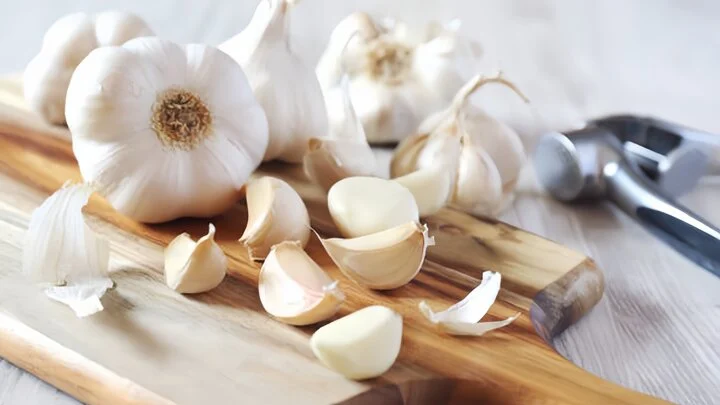
2. Use Garlic Skins to Add Flavor to Homemade Vegetable Stock
One of the simplest ways to reuse garlic skins is to add suitable, clean skins to homemade vegetable stock.
Many cooks already save vegetable scraps such as carrot ends, celery leaves, onion skins, and herb stems to make stock. Garlic skins can sometimes be included in the same collection, provided they are clean and free from mold or contamination.
The skins may contribute a mild garlic aroma during simmering. They are not as flavorful as the garlic clove itself, and their contribution can vary depending on the variety of garlic, the quantity used, and the other ingredients in the pot.
Nevertheless, they can be a convenient addition when preparing a homemade broth from vegetable scraps.
How to prepare garlic-skin stock
Begin by collecting clean garlic skins as you prepare meals. Remove any pieces that are visibly moldy, unusually discolored, or contaminated with dirt that cannot be removed.
Place the skins in a cooking pot with other suitable vegetable scraps. Carrot ends, celery leaves, onion pieces, parsley stems, and a few peppercorns can work well in a basic vegetable stock.
Add enough water to cover the ingredients and bring the mixture to a gentle simmer.
Allow the stock to simmer for approximately 30 to 60 minutes, depending on the ingredients and the flavor you want. There is no need to boil it aggressively. A gentle simmer is generally sufficient for extracting flavor from ordinary vegetable scraps.
After cooking, strain the liquid carefully to remove all the solid material. Discard the skins rather than attempting to eat them.
Taste the stock and adjust the seasoning as needed.
The resulting liquid can be used as a base for soups, sauces, rice dishes, and other recipes that benefit from a savory background flavor.
What should you expect?
Garlic skins should be treated as a supporting ingredient rather than the main source of flavor.
If you want a pronounced garlic taste, using a fresh garlic clove will generally be more effective. The skins are useful because they allow you to make use of material that would otherwise be discarded.
They can also be combined with other vegetable scraps, helping you prepare a flavorful stock without needing to purchase additional ingredients specifically for that purpose.
However, the quality of the stock depends on the overall mixture. Excessive quantities of certain vegetable scraps can create bitter or unpleasant flavors, and heavily soiled skins may compromise the result.
Start with a modest amount and adjust your approach according to the recipes you prepare.
Important food-safety considerations
Only use garlic skins that have been handled hygienically. Do not save peels that have been sitting in a dirty sink, mixed with raw meat juices, or exposed to other sources of contamination.
Once the stock has finished cooking, strain it promptly and cool it safely. Refrigerate it within two hours, or sooner in very warm conditions, and use it within three to four days. Alternatively, freeze it in suitable portions for longer storage.
The main benefit of this practice is simple: a kitchen scrap can contribute something useful to another recipe instead of immediately going into the trash.
3. Add Garlic Skins to Homemade Compost
<AsyncImage query="realistic close up of clean vegetable scraps including garlic peels onion skins and vegetable trimmings being added to a backyard compost bin in a home garden" aspectRatio="5:4" width="100%"/>
If you maintain a garden, composting is one of the most practical ways to reuse garlic skins.
Composting is a natural process in which microorganisms and other decomposers break down organic material into a stable, soil-like product. Properly managed compost can improve soil structure, help the soil retain moisture, and contribute organic matter that supports healthy plant growth.
Garlic skins are plant material, so they can be included in many ordinary composting systems.
Rather than sending them to a landfill, you can add suitable skins to a backyard compost bin, a managed compost pile, or a composting system that accepts household vegetable scraps.
Why compost garlic skins?
The main reason is that they contain organic material that can eventually break down.