If you enjoy small craft projects, you can test a modest quantity of clean garlic skins in a pot of water.
Simmer them gently and observe whether the water develops a noticeable tint. After cooling the mixture, strain out the solids.
You can then test the liquid on a small piece of natural fabric or paper that you do not mind staining.
Use a dedicated craft container rather than cookware intended for food, especially if you plan to experiment with additives or dyeing chemicals.
Keep in mind that a weak tint may wash out easily, and the results may not be suitable for projects requiring consistent or colorfast dye.
Are garlic-skin dyes safe for every material?
No. Natural does not automatically mean colorfast, non-irritating, or suitable for every application.
The effect of any plant dye depends on the material, the preparation method, and the substances used to help the color adhere.
Avoid experimenting with unknown chemicals or using a homemade dye on clothing that must meet specific safety requirements.
For a casual craft experiment, however, testing small quantities of plant scraps can be an interesting way to learn about natural pigments.
The key is to treat garlic-skin dyeing as an optional creative project rather than a guaranteed or especially powerful use.
7. What About Using Garlic Skins in Homemade Plant Sprays?
Online gardening advice sometimes recommends soaking or boiling garlic skins to produce a homemade spray intended to repel insects or protect plants.
The idea is understandable because garlic contains sulfur-containing compounds that contribute to its characteristic aroma. Some preparations made from garlic have been studied for potential biological activity.
However, there is an important distinction between research on particular garlic extracts and a homemade liquid made from discarded skins.
The composition of the extract, the concentration of active compounds, and the conditions of preparation can differ substantially.
A homemade garlic-skin infusion should not be assumed to work as a reliable insecticide, fungicide, or plant disease treatment.
Why are the results uncertain?
The outer skin is not chemically identical to the fresh garlic clove. Its composition can also vary with the variety, storage conditions, and processing method.
Even if a particular compound shows biological activity under laboratory conditions, that does not automatically establish that a weak household infusion will have the same effect in a garden.
Effectiveness can also depend on the pest species, the plant being treated, weather conditions, and how the preparation is applied.
A spray that has little effect on one insect may affect another differently. A concentrated preparation may also damage delicate leaves or cause irritation.
Should you try it?
If you want to experiment with a homemade plant preparation, start by recognizing that its effectiveness is uncertain and that it should not replace a proven treatment for a serious pest problem.
Test any experimental preparation on a small portion of a plant first and observe it for signs of damage. Avoid applying untested mixtures to edible crops close to harvest, and do not spray them on people or pets.
Do not assume that a homemade spray is safe simply because its ingredients are natural.
For persistent infestations, identify the pest correctly and consult reliable horticultural guidance. Integrated pest management, which combines monitoring, physical controls, appropriate cultural practices, and targeted treatments, is generally a more dependable approach than relying on an unverified garlic-skin recipe.
Garlic skins may be useful as a compost ingredient, but their value as a standalone pest-control product remains uncertain.
8. Do Garlic Skins Contain Antioxidants?
One reason garlic skins receive attention online is the presence of plant compounds that may have antioxidant properties.
Antioxidants are substances that can help limit certain oxidation reactions under particular conditions. Many fruits, vegetables, herbs, and other plant materials contain compounds that researchers investigate for their chemical and biological activity.
Garlic is known to contain a variety of sulfur-containing compounds and other plant constituents. Research has also examined extracts made from garlic's outer layers.
Some laboratory studies suggest that garlic peel extracts contain phenolic compounds and may demonstrate antioxidant activity in experimental tests.
However, the findings require careful interpretation.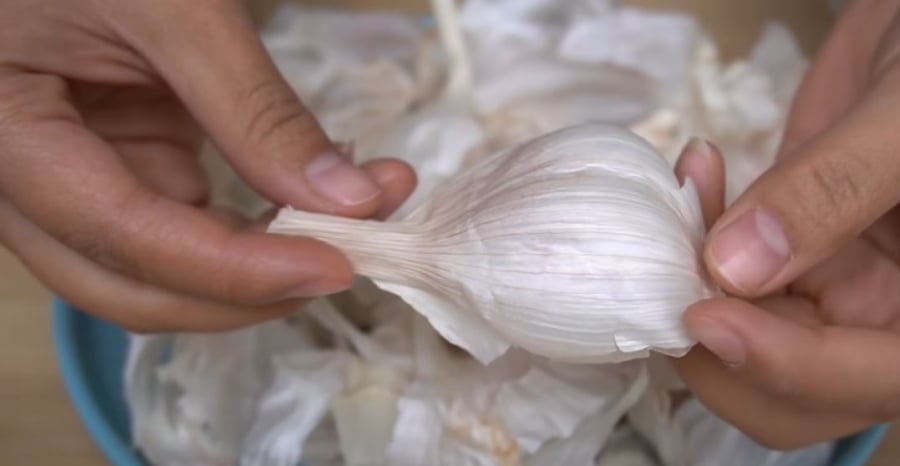
What does antioxidant activity actually mean?
A laboratory test may measure how an extract reacts with certain chemical substances under controlled conditions.
A positive result can indicate that the extract has antioxidant activity in that particular test. It does not automatically establish that eating the extract will improve health or prevent disease in humans.
The body is more complex than a laboratory reaction. Digestion, absorption, metabolism, dose, and interactions with other substances all affect what happens after a compound is consumed.
A substance that behaves as an antioxidant in a test tube may be broken down during digestion or may not reach the relevant tissues in a meaningful concentration.
This is why researchers distinguish between chemical activity, effects in cells, findings in animals, and demonstrated clinical benefits in humans.
These are different levels of evidence.
Should you consume garlic skins for antioxidants?
There is not enough reliable human evidence to recommend eating garlic skins as a specific antioxidant supplement.
Their papery texture also makes them unsuitable for direct consumption in most ordinary meals.
If your goal is to support overall health, a varied diet that includes vegetables, fruits, legumes, whole grains, nuts, and other nutrient-rich foods is a more established approach than relying on an unproven garlic-skin remedy.
You can still reuse clean garlic skins for cooking or composting without assuming they provide a medicinal effect.
The important distinction is that scientific interest in a plant compound does not automatically establish a health benefit from consuming the whole plant material.
9. Can Garlic Skins Help Lower Cholesterol or Blood Sugar?
Some online articles claim that drinking garlic-skin tea or consuming garlic-peel extracts can lower cholesterol, regulate blood sugar, improve circulation, or protect the heart.
These claims should be approached cautiously.
Research has examined certain garlic preparations and their possible effects on cardiovascular and metabolic health. However, studies involving fresh garlic, aged garlic extracts, garlic oils, or concentrated supplements do not necessarily apply to garlic skins.
Different preparations contain different compounds and concentrations.
Evidence concerning one product cannot simply be transferred to another.
Why the distinction matters
Suppose a study examines a standardized garlic supplement and finds a particular effect under controlled conditions. That result does not prove that boiling a handful of garlic skins in water will produce the same effect.
The supplement may have been manufactured to provide a specific dose of selected compounds. A homemade infusion may contain little of those compounds, and the amount can vary considerably from one batch to another.
The study population, duration, dosage, and measured outcomes also matter when interpreting research.
Without appropriate human studies of the actual preparation, it is not possible to establish that garlic-skin tea lowers cholesterol or blood sugar.
Should garlic skins replace prescribed medication?
Absolutely not.
People who have diabetes, high cholesterol, cardiovascular disease, or other medical conditions should not stop prescribed medication or replace recommended treatment with a homemade garlic-skin preparation.
Doing so could leave the underlying condition inadequately managed.
If you are interested in using garlic products alongside medical treatment, discuss the specific product with your healthcare professional. Concentrated garlic supplements may interact with certain medications, including medicines that affect blood clotting.
Ordinary culinary use is different from taking concentrated extracts or supplements.
For now, the practical uses of garlic skins are much better established in cooking and composting than in the treatment of chronic disease.
10. Is Garlic-Skin Tea Worth Trying?
Garlic-skin tea is sometimes promoted as a traditional drink with numerous health benefits. Recipes generally involve simmering garlic skins in water and drinking the resulting liquid.
Although preparing an infusion is relatively simple, its health effects are not well established.
The fact that garlic skins contain plant compounds does not mean that drinking an infusion will deliver a clinically meaningful dose of those compounds.
The amount extracted depends on the skins, water temperature, cooking time, and other preparation details.