Duck meat is a popular delicacy in many cuisines around the world. Known for its rich flavor, tender texture, and high nutritional value, duck is often enjoyed roasted, grilled, or cooked in traditional dishes. It provides important nutrients such as protein, iron, zinc, and B vitamins, which support energy production and overall health.
However, despite its benefits, duck meat is not suitable for everyone. Because of its higher fat content and unique nutritional composition, certain individuals may need to limit or avoid it to protect their health.
Let’s explore which groups of people should be cautious when consuming duck meat and why.
1. People With High Cholesterol
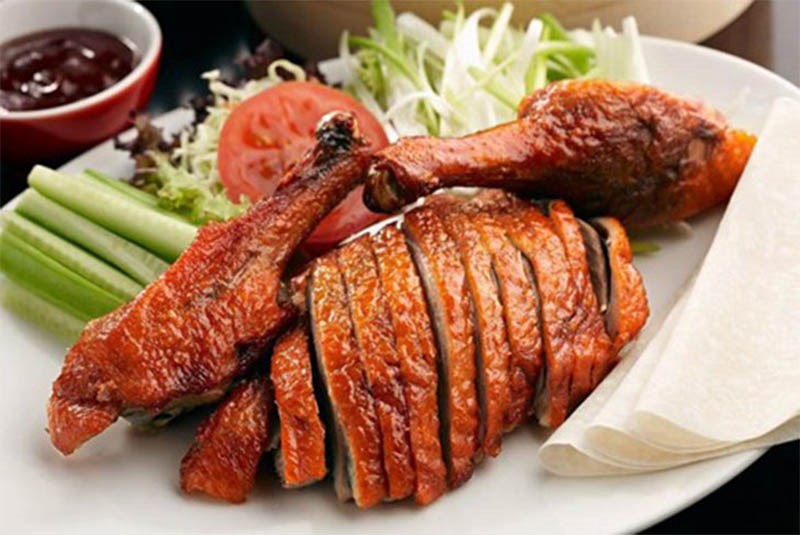
Duck meat, especially when cooked with the skin, contains a relatively high amount of fat and cholesterol.
For individuals with high cholesterol levels, consuming fatty meats regularly may contribute to increased levels of low-density lipoprotein (LDL), often referred to as “bad cholesterol.”
This can raise the risk of cardiovascular issues over time.
People in this group may consider:
-
Limiting portion sizes
-
Removing the skin before eating
-
Choosing leaner protein sources
2. People With Heart Conditions
Because of its fat content, duck meat may not be ideal for individuals with heart-related conditions.
A diet high in saturated fats can place additional strain on the cardiovascular system. For people managing heart health, it is often recommended to reduce intake of fatty meats and focus on leaner protein options.
Moderation and proper cooking methods—such as avoiding excess oil—are especially important.
3. People With Digestive Issues
Duck meat can be heavier and more difficult to digest compared to lean meats like chicken or fish.
Individuals with sensitive digestive systems or conditions such as:
-
Indigestion
-
Gastric discomfort
-
Bloating
may find that consuming duck meat leads to discomfort.
Eating smaller portions or choosing lighter cooking methods may help reduce digestive strain.
4. People With Gout
Duck meat contains purines, substances that break down into uric acid in the body.
For individuals with gout or high uric acid levels, consuming foods rich in purines may trigger symptoms such as joint pain and inflammation.
People with gout are often advised to limit intake of high-purine foods, including certain meats.
5. People Trying to Lose Weight
While duck meat is nutritious, it is also higher in calories compared to lean meats.
For individuals aiming to manage or reduce body weight, frequent consumption of high-fat foods may make it more difficult to maintain a calorie balance.
Choosing leaner protein sources and controlling portion sizes can help support weight management goals.
6. People With Liver Concerns
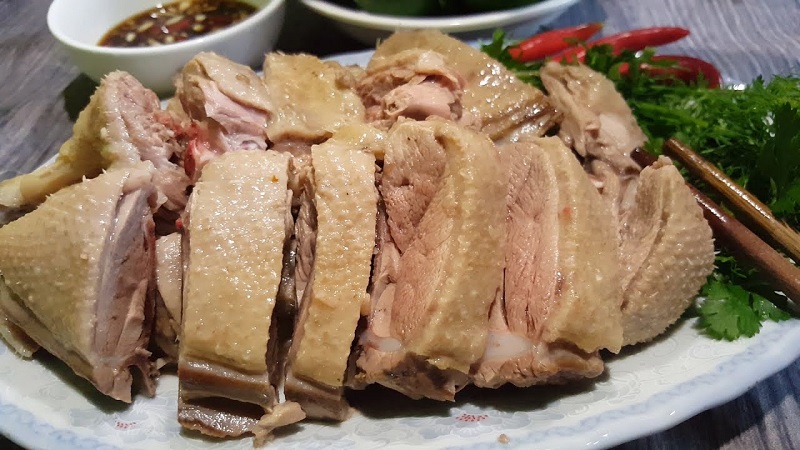
Duck meat is rich and can be more demanding for the body to process.
Individuals with certain liver conditions may need to be cautious with fat-rich foods, as the liver plays a key role in metabolizing fats.
A balanced diet with moderate fat intake is often recommended to support liver health.
7. People With Allergies or Food Sensitivities
Although rare, some individuals may have sensitivities or mild allergic reactions to certain types of meat, including duck.
Symptoms may include:
-
Digestive discomfort
-
Skin irritation
-
Mild allergic reactions
Anyone who experiences unusual symptoms after eating duck should consult a healthcare professional.
Health Benefits of Duck Meat (For Most People)
For individuals without the conditions mentioned above, duck meat can still be a valuable part of a balanced diet.
It provides:
-
High-quality protein for muscle development
-
Iron to support blood health
-
B vitamins for energy metabolism
-
Zinc for immune function
When consumed in moderation and prepared properly, duck meat can contribute to a nutritious diet.
Tips for Eating Duck Meat More Healthily
If you enjoy duck meat but want to reduce potential risks, consider these tips:
-
Remove the skin to reduce fat intake
-
Avoid deep-frying or excessive oil
-
Pair duck with vegetables for better balance
-
Eat in moderation rather than frequently
These simple adjustments can help make duck meat a healthier choice.

Final Thoughts
Duck meat is flavorful and nutrient-rich, but it may not be suitable for everyone. Individuals with high cholesterol, heart conditions, digestive issues, gout, or specific dietary goals may need to limit or avoid it.
Understanding how your body responds to different foods is essential for maintaining good health. By making informed choices and practicing moderation, you can enjoy a variety of foods while supporting your overall well-being.
In the end, a balanced diet tailored to your personal health needs is always the best approach.