
“Fish Eyes” Are NOT Calluses — Here’s the Difference
That Painful Spot Under Your Foot May Not Be a Callus
Health 13/05/2026 23:14
Durian is one of the most energy-dense fruits and can contribute to elevated blood sugar, weight gain, and metabolic imbalances if consumed without moderation.
Loved by many for its distinctive flavor and rich nutritional profile, durian offers a variety of health benefits. However, according to Dr. Le Thi Huong Giang, Head of the Nutrition and Dietetics Department at Hospital 19-8, it is also a fruit that can easily lead to increased blood sugar levels, weight gain, and metabolic disturbances when eaten excessively.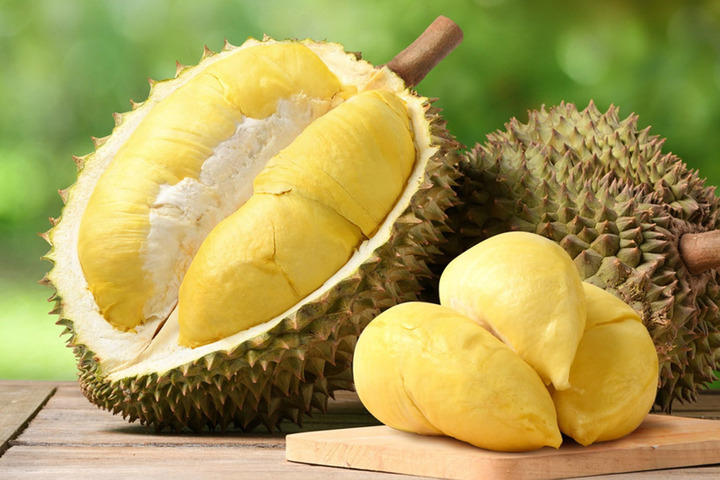
Every 100 grams of durian flesh contains approximately 147 calories, which is two to three times higher than many common fruits. A single whole durian can provide as much as 1,000 to 1,500 calories.
In addition to its high calorie content, durian contains around 27 grams of carbohydrates per 100 grams, along with about 5 grams of fat, most of which are unsaturated fats. It is also a good source of dietary fiber, vitamin C, B vitamins, potassium, and antioxidants.
According to nutrition experts, the 3 to 4 grams of fiber per 100 grams can support digestion, while vitamin C helps strengthen the immune system. Vitamins B1 and B6 are beneficial for the nervous system and metabolism. Potassium may help maintain healthy blood pressure in otherwise healthy individuals. Durian also contains tryptophan, an amino acid that may promote relaxation.
However, these benefits are most effective when durian is consumed in reasonable portions.
“Durian is a ‘two-in-one’ fruit: it is both high in sugar and contains fat, making it extremely energy-dense. It is not a light snack, but more like a calorie-rich dessert,” Dr. Giang explained.
A common misconception is that because durian does not taste overwhelmingly sweet, it can be eaten freely. In reality, despite its relatively mild sweetness, it contains a substantial amount of carbohydrates that can cause blood sugar to rise quickly after eating.
One segment of durian weighing around 80 to 100 grams contains 20 to 25 grams of carbohydrates, roughly equivalent to a small bowl of rice. Eating two to three segments, especially after a main meal, can significantly increase both sugar and calorie intake, raising the risk of high blood sugar, fat accumulation, and metabolic disorders.
“When excess energy intake continues over time, the body may develop elevated triglycerides and fat accumulation in the liver, leading to fatty liver disease, weight gain, and abnormal blood lipid levels. These changes often occur silently, so many people may not notice them,” Dr. Giang noted.
For healthy adults, experts recommend eating one to two segments per serving (approximately 100 to 150 grams), no more than two to three times per week.
It is also advisable to avoid eating durian on an empty stomach, late at night, or together with alcohol and other high-sugar foods, as this may place additional strain on the body's metabolic processes.
“Durian is not an unhealthy food, but it is a fruit that requires moderation. When eaten properly, it can provide valuable nutrients. However, overconsumption may become a burden on your health,” Dr. Giang emphasized.
That Painful Spot Under Your Foot May Not Be a Callus

That constant feeling of something stuck in your throat could have several surprising causes

If you have these 5 symptoms, see a doctor immediately!

Many people mistake this possible cancer warning sign for a simple bruise

Frequent nighttime drooling could be linked to hidden health problems.

Certain Ongoing Pain Symptoms May Be Connected to Underlying Lung Issues

Common Symptoms Seen in Late-Stage Kidney Can.cer

Some cancer symptoms can appear quietly months before diagnosis

How to Set the Right Temperature to Keep Food Fresh Longer

Persistent sore throat symptoms may signal serious hidden infections.

Doctors Issue an Urgent War.ning

3 Hidden Signs in the Neck That May Suggest Can.cer

A Simple Finger Check May Sometimes Reveal Signs Associated With Lung Health Problems

What Your Body May Be Telling You About Fatty Liver Disease?
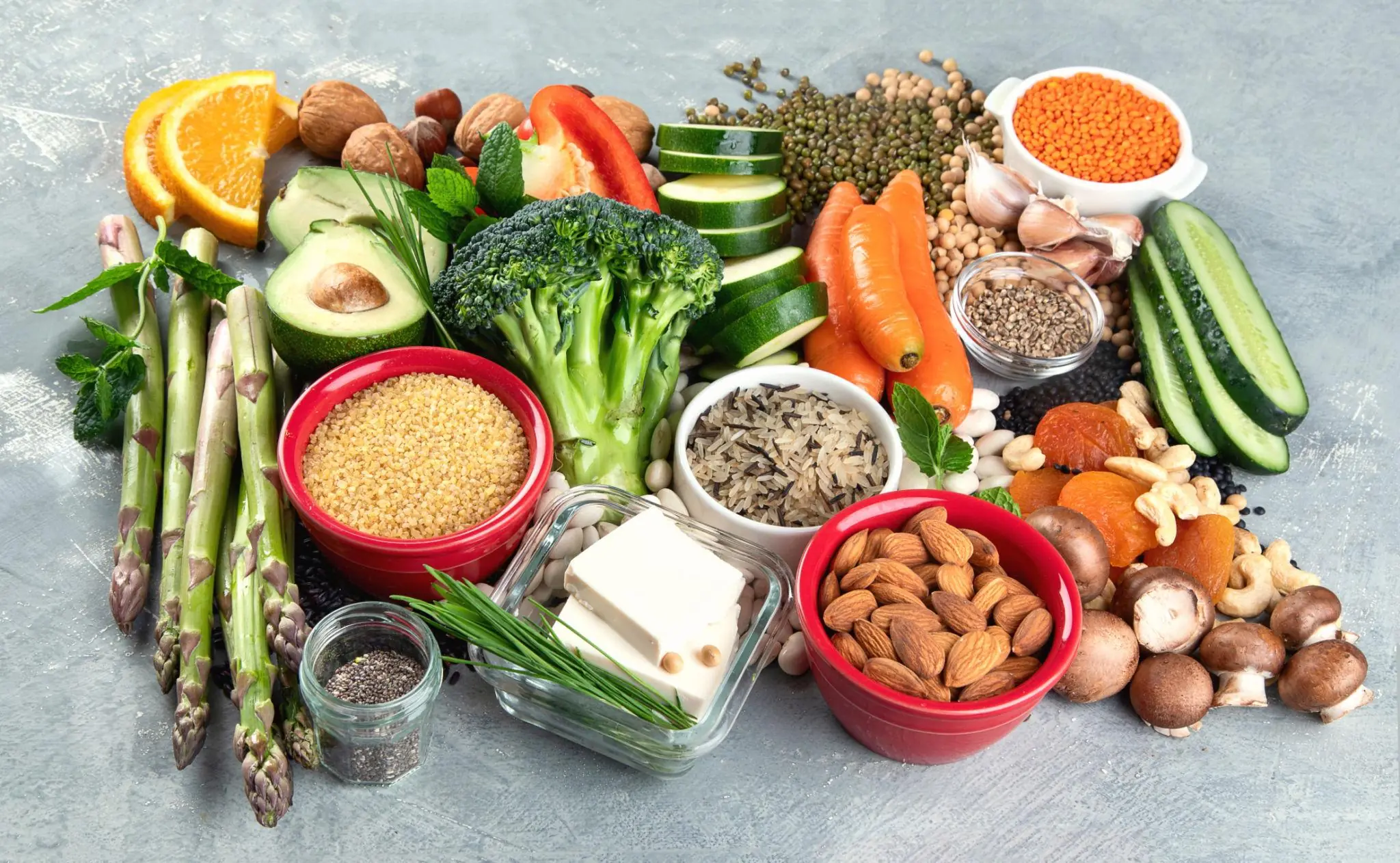
10 Nutrient-Rich Foods Often Linked to Healthier Blood Vessels

Tonsil Stones Explained: Causes, Symptoms, and What They Really Are



That Painful Spot Under Your Foot May Not Be a Callus

The Surprising Truth Few People Know
That constant feeling of something stuck in your throat could have several surprising causes
If you have these 5 symptoms, see a doctor immediately!
Many people mistake this possible cancer warning sign for a simple bruise
Frequent nighttime drooling could be linked to hidden health problems.
Certain Ongoing Pain Symptoms May Be Connected to Underlying Lung Issues
Common Symptoms Seen in Late-Stage Kidney Can.cer
Some cancer symptoms can appear quietly months before diagnosis
How to Set the Right Temperature to Keep Food Fresh Longer
Persistent sore throat symptoms may signal serious hidden infections.
Doctors Issue an Urgent War.ning
3 Hidden Signs in the Neck That May Suggest Can.cer
A Simple Finger Check May Sometimes Reveal Signs Associated With Lung Health Problems
What Your Body May Be Telling You About Fatty Liver Disease?
10 Nutrient-Rich Foods Often Linked to Healthier Blood Vessels

8 Often-Overlooked Factors That Can Strain a Marriage Over Time
Tonsil Stones Explained: Causes, Symptoms, and What They Really Are