Many of us have long believed in the trick of placing toilet paper on public toilet seats to create a barrier against germs. However, the truth may be quite different from what you have always assumed.
Public restrooms are a source of anxiety for many people, especially when they are unfamiliar or appear old and poorly maintained. The usual strategy is simple: go in quickly, finish as fast as possible, and leave immediately. If the toilet seat looks less than spotless, the instinctive reaction is often to grab some toilet paper and cover the seat with one or even two layers.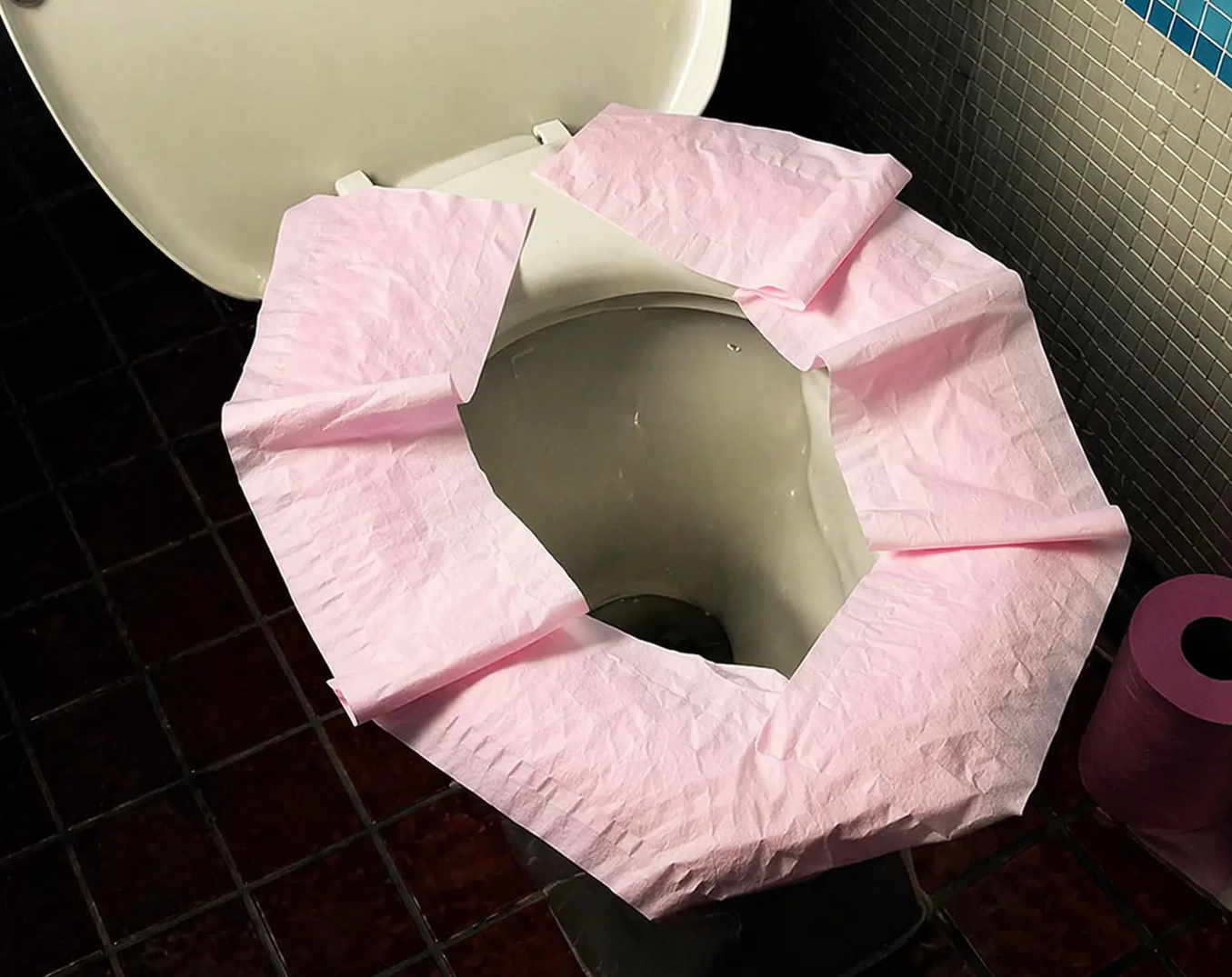
For many people, especially women, this “protective barrier” provides a reassuring sense of separation between the skin and the toilet seat. I used to do the same until I asked a doctor during a medical visit and learned that this common hygiene habit may actually be a serious mistake.
Should You Put Toilet Paper on Public Toilet Seats?
The answer is no.
This habit may actually backfire, doing the opposite of what you intend.
Here is a surprising fact: toilet seats are typically made from smooth, non-porous materials specifically designed to make it difficult for bacteria to cling to or multiply. Toilet paper, on the other hand, has a porous, fibrous structure that can easily trap dust, dirt, and microorganisms.
Even more concerning, every time someone flushes without closing the lid, countless microscopic droplets containing bacteria can become airborne and settle on the nearby toilet paper roll. Because toilet paper is highly absorbent, it can retain these germs within its fibers. When you place that paper on the seat and sit down, you may unintentionally bring those bacteria into direct contact with sensitive areas of your body.
Rather than serving as a protective barrier, the toilet paper may become a more effective vehicle for transferring germs than the toilet seat itself.
Potential Risks of Lining Toilet Seats with Toilet Paper
This seemingly hygienic habit may actually increase the risk of exposure to harmful bacteria.
Women may be particularly vulnerable because of anatomical differences and the close proximity between the paper and the urinary and genital areas.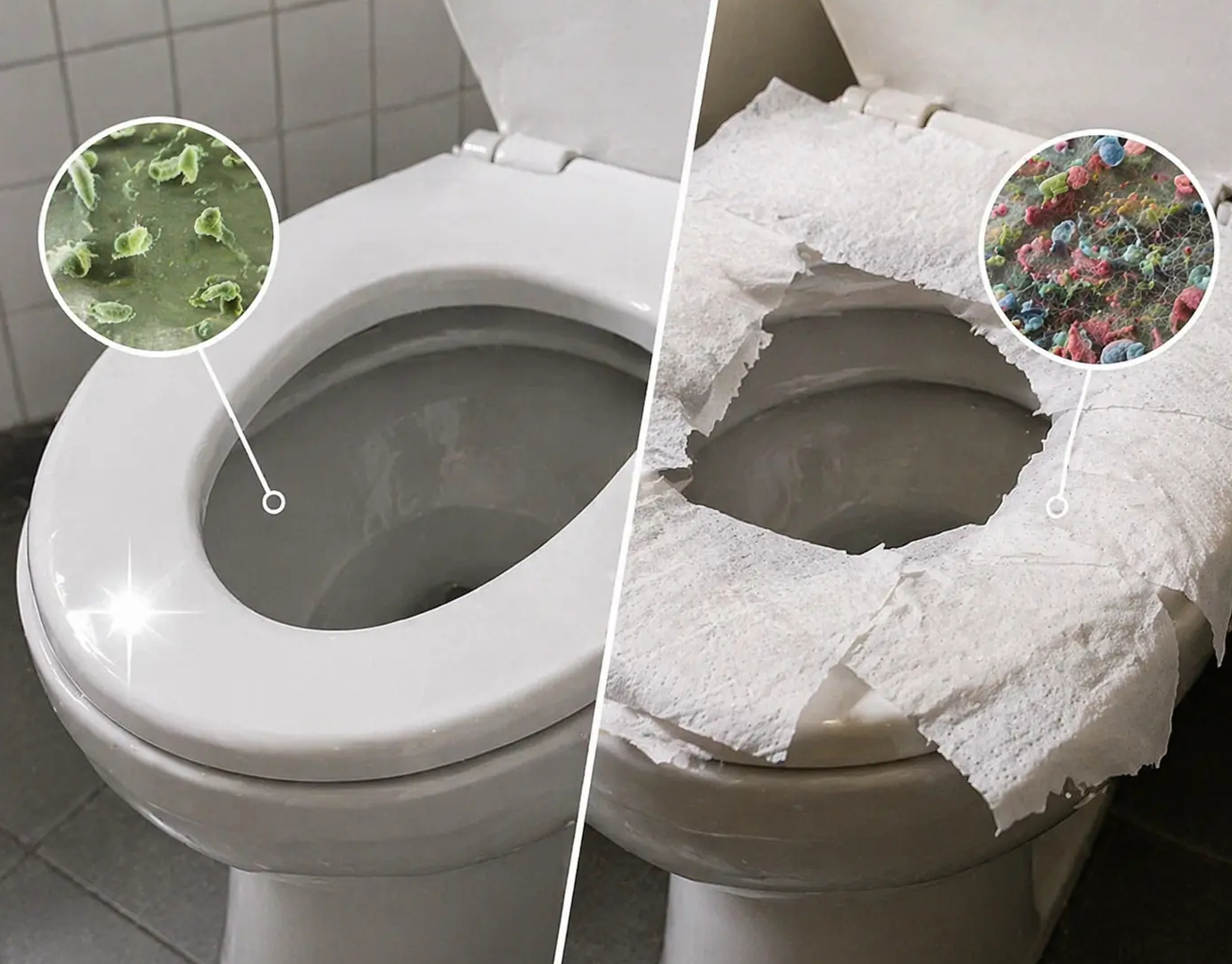
Bacteria such as Escherichia coli infection can contaminate toilet paper through airborne droplets and may contribute to urinary tract infections, including bladder infections and kidney infections.
Staphylococcal infection can also survive on porous surfaces and may enter the body through tiny breaks in the skin, potentially leading to boils, skin infections, and inflammation.
In addition, fungi and other microorganisms associated with vaginal irritation may increase the risk of persistent itching and vaginal infections.
Smarter Ways to Protect Yourself in Public Restrooms
Wash Your Hands Thoroughly
The highest concentration of germs is often found on door handles, flush buttons, and spray nozzles rather than on the toilet seat itself. Wash your hands with soap for at least 20 seconds after using the restroom.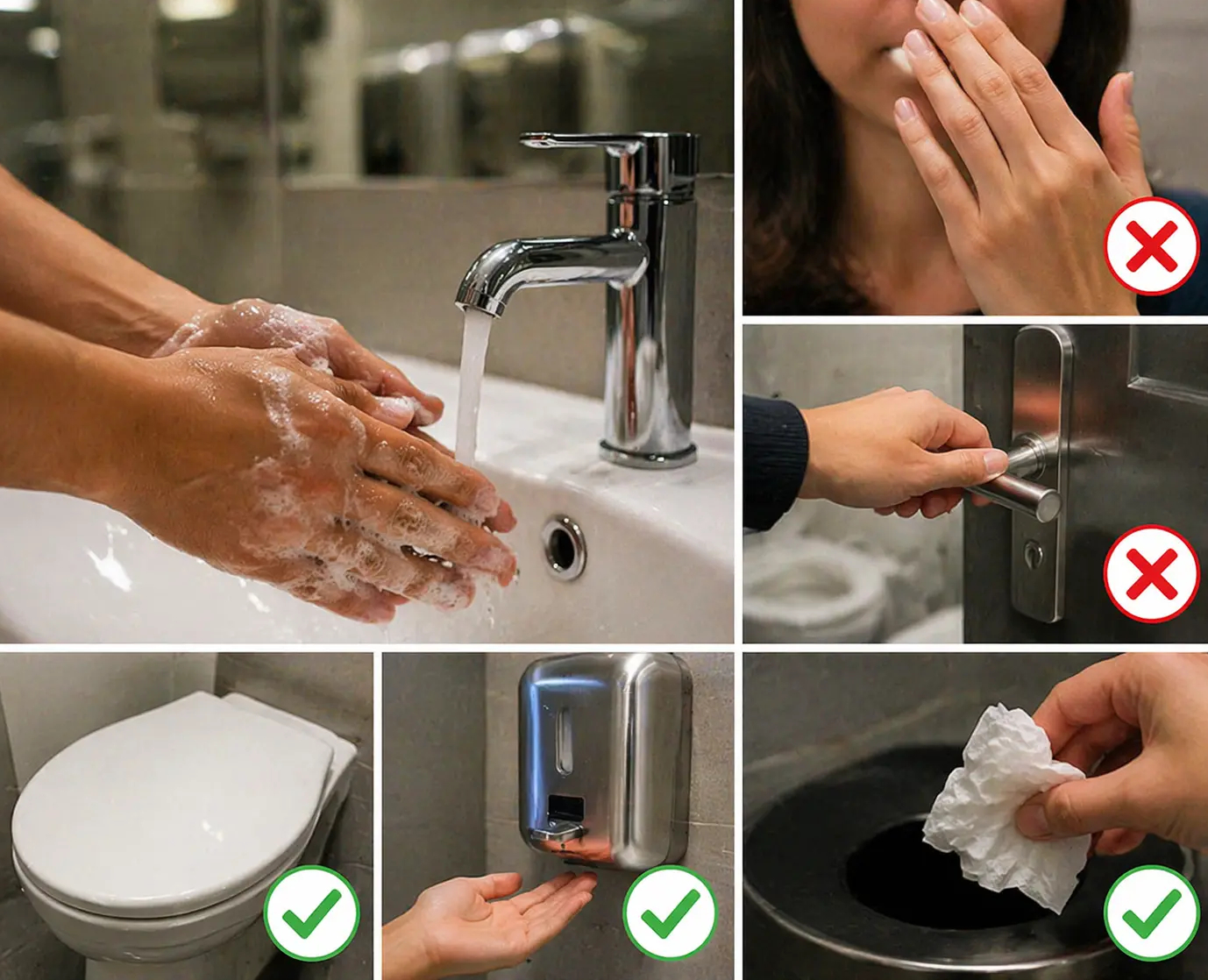
Carry Personal Disinfectant
If you are concerned, bring a small disinfectant spray or antibacterial wipes. Spray the seat directly and dry it with clean tissue that you carry with you instead of using the restroom's toilet paper.
Avoid Touching Your Face
This simple habit helps prevent germs from entering your body through your eyes, nose, and mouth.
The Bottom Line
Lining a public toilet seat with toilet paper may feel like a smart precaution, but it is often less effective than people think and may even increase exposure to germs.
By understanding how contamination actually occurs and adopting evidence-based hygiene habits, you can protect your health more effectively and confidently. Do not let a false sense of security mislead you.