Snake bites can be frightening and potentially dangerous medical emergencies. In many parts of the world, both venomous and non-venomous snakes live near forests, fields, rivers, farms, and even residential areas. Although not every snake bite results in severe poisoning, every bite should be treated seriously until proper medical evaluation is available.
One of the most important factors in snake bite survival and recovery is:
- Early and appropriate first aid
Unfortunately, many traditional snake bite myths and incorrect emergency methods may actually worsen the situation rather than help. Knowing what to do and what not to do - can make a major difference while waiting for professional medical care.
Understanding the safest first steps after a snake bite may help reduce panic, lower complications, and improve the chances of recovery.
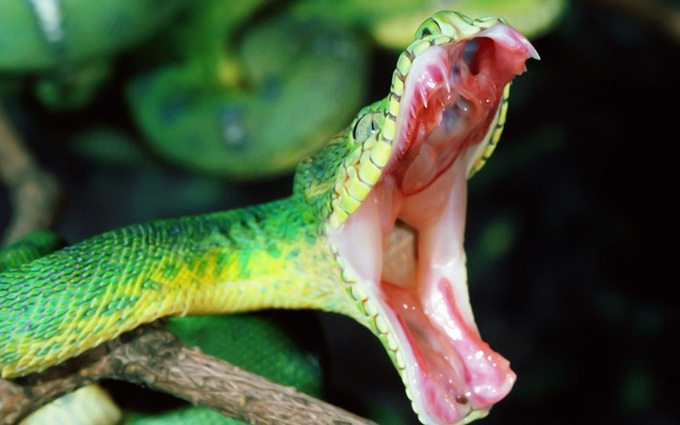
Why Snake Bites Can Be Dangerous
Some snakes inject:
- Venom
through their fangs during a bite.
Venom may affect:
- Blood clotting
- Nerves
- Muscles
- Breathing
- Circulation
- Tissue health
Different snakes produce different types of venom with varying effects.
Not All Snake Bites Are Venomous
Some snake bites are:
- Non-venomous
Even venomous snakes sometimes deliver:
- “Dry bites”
meaning little or no venom is injected.
However, it is impossible to safely determine severity without medical evaluation.
Every snake bite should be treated seriously.
Stay Calm First
One of the most important first steps is:
- Staying as calm as possible
Fear and panic may:
- Increase heart rate
- Increase circulation speed
- Potentially spread venom faster through the body
Remaining calm may help slow venom movement.
Move Away From the Snake Safely
After a bite:
- Move away carefully
Do not attempt to:
- Catch the snake
- Kill the snake
- Touch the snake
A frightened snake may bite again.
Personal safety comes first.
If Possible, Observe the Snake From a Distance
If it can be done safely, try to remember:
- Color
- Size
- Patterns
- Shape
This information may help medical professionals identify the species later.
However: Never risk another bite trying to take photos or capture the snake.
Keep the Person Still
Movement may increase:
- Blood flow
- Muscle activity
- Venom spread
Try to:
- Keep the bitten person resting
- Minimize walking
- Avoid unnecessary movement
If possible, the affected limb should remain:
- Still
- Relaxed
Position the Bite Area Properly
The bitten limb should usually be kept:
- At or slightly below heart level
This may help slow venom circulation.
Avoid excessive elevation or vigorous movement.
Remove Tight Items Immediately
Swelling may develop rapidly after some snake bites.
Remove:
- Rings
- Watches
- Bracelets
- Tight clothing
- Shoes
before swelling worsens.

Call Emergency Services Quickly
Immediate medical attention is extremely important.
Call:
- Emergency services
- Local poison center
- Seek hospital care
as soon as possible.
Professional treatment may include:
- Monitoring
- Pain control
- Antivenom
- Breathing support
- Blood testing
Why Time Matters
Some venom effects worsen over time.
Early treatment may reduce the risk of:
- Tissue damage
- Breathing problems
- Circulatory complications
- Severe swelling
Rapid medical care may save lives.
What NOT to Do After a Snake Bite
Many outdated methods may actually cause harm.
Avoid:
- Cutting the wound
- Sucking out venom
- Applying ice
- Using electric shock
- Drinking alcohol
- Applying chemicals
- Attempting home remedies
These methods are not recommended by modern medical guidelines.
Why Cutting the Bite Is Dangerous
Cutting the wound may:
- Increase bleeding
- Damage tissue
- Increase infection risk
It does not effectively remove venom.
Why Tourniquets Can Be Harmful
Tight tourniquets may:
- Block circulation
- Increase tissue damage
- Cause serious complications
Improper tourniquet use may worsen injury.
Avoid Ice or Extreme Cooling
Applying ice may:
- Damage tissues
- Reduce blood flow excessively
- Worsen local injury
Modern snake bite management generally does not recommend icing the wound.
Keep the Bite Area Clean
If possible:
- Gently clean the area
with water.
Do not aggressively scrub or manipulate the wound.
Avoid Eating or Drinking Excessively
Large meals or alcohol may complicate medical treatment.
Alcohol may also:
- Affect circulation
- Increase dehydration
- Impair judgment
Watch for Symptoms Carefully
Symptoms may vary depending on:
- Snake species
- Venom type
- Amount of venom
- Bite location
- Person’s health
Possible symptoms may include:
- Pain
- Swelling
- Bruising
- Nausea
- Dizziness
- Difficulty breathing
- Weakness
- Blurred vision
Venom May Affect the Body Differently
Some snake venoms mainly affect:
- Nerves
Others affect:
- Blood clotting
- Muscle tissue
- Organs
- Skin tissue
This is why medical observation is critical.
Children and Elderly Individuals May Be More Vulnerable
Children may face higher risk because of:
- Smaller body size
Older adults and people with medical conditions may also experience more severe complications.
Why Antivenom Is Important
For some venomous bites, doctors may use:
- Antivenom
Antivenom works by helping neutralize venom effects.
The type of antivenom depends on:
- Snake species
- Symptoms
- Region
Hospital Monitoring Matters
Even if symptoms seem mild initially, delayed reactions may still occur.
Doctors may monitor:
- Blood pressure
- Breathing
- Blood clotting
- Kidney function
- Swelling progression
Observation helps detect complications early.

How Snake Bites Happen
Many snake bites occur when people:
- Accidentally step on snakes
- Reach into hidden areas
- Walk barefoot outdoors
- Handle snakes
Most snakes bite defensively when frightened.
Prevention Is Extremely Important
Helpful snake safety habits may include:
- Wearing boots outdoors
- Using flashlights at night
- Avoiding tall grass
- Checking areas before reaching into them
- Not disturbing snakes
Most bites are preventable with caution.
Snakes Play Important Ecological Roles
Although snake bites can be dangerous, snakes are important parts of ecosystems.
They help control:
- Rodents
- Pests
- Small animal populations
Most snakes avoid humans whenever possible.
Common Myths About Snake Bites
Many myths continue spreading online, including:
- “Sucking out venom works”
- “Cutting the wound removes poison”
- “Alcohol helps”
- “Burning the wound neutralizes venom”
These methods are not supported by modern medical evidence.
Psychological Effects of Snake Bites
Snake bites may also cause:
- Panic
- Shock
- Anxiety
- Trauma
Staying calm and reassuring the victim may help reduce panic-related complications.
Travel and Outdoor Safety
People hiking, farming, camping, or traveling in snake-prone areas should consider:
- Protective footwear
- Emergency communication
- Knowledge of local snake species
Preparedness improves safety.
Final Thoughts
If someone is bitten by a snake, the most important first steps are staying calm, minimizing movement, moving away safely from the snake, removing tight items, and seeking immediate medical care. Modern first aid focuses on reducing panic and slowing venom spread while avoiding harmful outdated methods such as cutting the wound, sucking venom, or applying ice and tourniquets.
Every snake bite should be treated seriously because symptoms and venom effects can vary greatly. Early professional treatment, careful monitoring, and proper emergency response may significantly improve recovery and reduce complications.