What people eat and drink before bed can significantly influence sleep quality, digestion, metabolism, hydration, and overall overnight recovery. While certain beverages may feel comforting in the evening, others may quietly interfere with the body’s natural nighttime processes without people fully realizing it.
During sleep, the body shifts into an important recovery mode involving:
- Hormonal regulation
- Cellular repair
- Brain recovery
- Digestion
- Metabolism
- Immune activity
Because of these processes, consuming certain drinks too close to bedtime may sometimes contribute to:
- Poor sleep
- Acid reflux
- Frequent nighttime urination
- Blood sugar fluctuations
- Restlessness
Not everyone reacts the same way to nighttime beverages, but understanding how certain drinks may affect the body can help support healthier sleep habits and better overall wellness.
Why Nighttime Habits Matter
The body follows a natural internal clock known as:
- Circadian rhythm
This rhythm helps regulate:
- Sleep
- Hormones
- Digestion
- Body temperature
- Energy levels
Late-night eating and drinking habits may sometimes disrupt these natural cycles.
Sleep Is Essential for Whole-Body Health
Good sleep supports:
- Brain function
- Heart health
- Hormonal balance
- Immune function
- Metabolism
- Emotional well-being
Poor sleep quality over time may negatively affect many body systems.
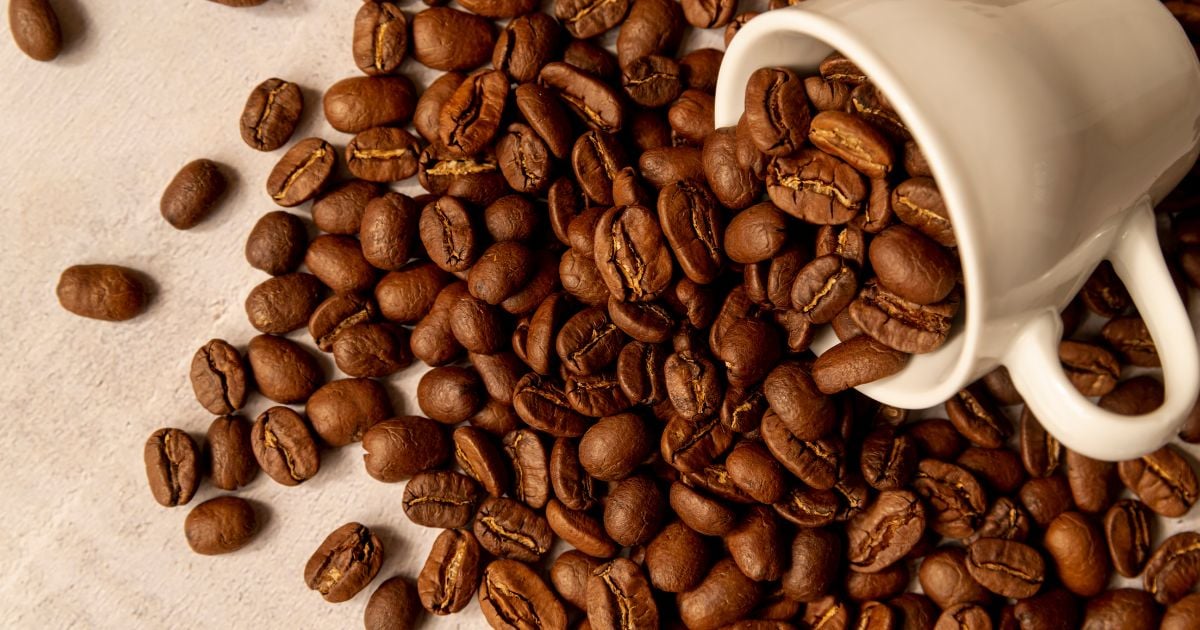
1. Caffeinated Drinks
One of the most common beverages that may interfere with sleep is:
- Caffeine-containing drinks
Examples include:
- Coffee
- Energy drinks
- Strong tea
- Some sodas
- Certain pre-workout beverages
Why Caffeine Affects Sleep
Caffeine stimulates the nervous system and helps increase alertness.
It works partly by blocking:
- Adenosine
a brain chemical involved in promoting sleepiness.
Because of this effect, caffeine consumed too late may:
- Delay sleep
- Reduce sleep depth
- Increase nighttime awakenings
Caffeine Stays in the Body Longer Than Many People Realize
Caffeine may remain active in the body for:
- Several hours
depending on:
- Age
- Metabolism
- Medication use
- Individual sensitivity
Some people are especially sensitive even to small evening amounts.
Sleep Quality Matters More Than Sleep Quantity
Even if someone falls asleep after consuming caffeine, sleep quality may still become lighter or less restorative.
Poor-quality sleep may affect:
- Memory
- Mood
- Focus
- Recovery
- Energy levels
2. Sugary Drinks
Sweet beverages consumed late at night may sometimes affect:
- Blood sugar balance
- Energy regulation
- Sleep stability
Examples include:
- Soda
- Sweetened juice
- Bubble tea
- Sugary milk drinks
- Sweetened coffee beverages

Why Blood Sugar Fluctuations Matter
Large sugar intake before bed may cause:
- Rapid blood sugar increases
followed by - Blood sugar drops
These fluctuations may sometimes contribute to:
- Restlessness
- Night awakenings
- Hunger
- Poor sleep quality
Sugary Drinks and Weight Gain
Late-night high-calorie drinks may also contribute to:
- Excess calorie intake
- Weight gain
- Metabolic imbalance
especially when consumed regularly over time.
3. Alcoholic Beverages
Many people assume alcohol helps sleep because it may initially cause drowsiness.
However, alcohol often disrupts:
- Sleep architecture
- REM sleep
- Overnight recovery
as the body processes alcohol during the night.
Why Alcohol May Disturb Sleep
Alcohol may contribute to:
- Frequent waking
- Snoring
- Dehydration
- Reduced sleep quality
- Restless sleep
Some individuals also experience:
- Increased heart rate
- Night sweats
- Morning fatigue
after nighttime alcohol consumption.
Alcohol and Breathing During Sleep
Alcohol may relax airway muscles and potentially worsen:
- Snoring
- Sleep apnea symptoms
This may reduce oxygen quality during sleep.

4. Excessively Large Amounts of Water or Fluids
Hydration is extremely important, but drinking large amounts of fluids immediately before bed may increase:
- Nighttime urination
- Sleep interruption
Repeated sleep disruption may affect overall rest quality.
Why Frequent Nighttime Bathroom Trips Matter
Interrupted sleep may reduce:
- Deep sleep
- REM sleep
- Recovery quality
This may contribute to:
- Fatigue
- Reduced concentration
- Poor daytime energy
The Balance Between Hydration and Sleep
The goal is not to avoid hydration entirely before bed.
Instead, many experts recommend:
- Staying hydrated throughout the day
- Avoiding excessive fluid intake immediately before sleeping
Balanced hydration supports both sleep and overall health.
Acidic Drinks and Digestive Discomfort
Some beverages may trigger:
- Acid reflux
- Heartburn
- Throat irritation
when consumed late at night.
Examples may include:
- Citrus juice
- Carbonated beverages
- Highly acidic drinks
Lying down shortly after drinking may worsen reflux symptoms for some people.
Why Digestion Slows at Night
During sleep, digestion naturally slows somewhat as the body shifts energy toward:
- Recovery
- Repair
- Hormonal regulation
Heavy or irritating beverages late at night may feel more uncomfortable because of this shift.
Energy Drinks and the Nervous System
Energy drinks often combine:
- Caffeine
- Sugar
- Stimulants
This combination may strongly affect:
- Heart rate
- Alertness
- Sleep timing
- Anxiety levels
Late-night stimulant intake may disrupt circadian rhythm significantly.
Sleep and Hormonal Balance
Sleep strongly influences:
- Cortisol
- Melatonin
- Hunger hormones
- Insulin sensitivity
Poor sleep caused by late-night beverage habits may indirectly affect metabolism and appetite regulation.
Warm Drinks That May Support Relaxation
Some people prefer gentler nighttime beverages such as:
- Warm water
- Herbal tea
- Unsweetened caffeine-free drinks
Warm beverages may create relaxing bedtime routines for certain individuals.
The Importance of Individual Sensitivity
Not everyone responds the same way to nighttime drinks.
Factors affecting sensitivity may include:
- Age
- Genetics
- Health conditions
- Stress levels
- Medication use
Some people tolerate evening caffeine better than others.
Sleep Hygiene and Healthy Routines
Healthy sleep habits may include:
- Limiting stimulants late at night
- Reducing bright screen exposure
- Maintaining regular sleep schedules
- Creating calming bedtime routines
Small consistent habits often improve sleep quality over time.

Why Consistency Matters
The body responds well to:
- Predictable routines
- Stable sleep schedules
- Consistent eating patterns
Irregular sleep habits may disrupt circadian rhythm and recovery.
Signs Your Evening Drinks May Affect Sleep
Possible signs include:
- Trouble falling asleep
- Frequent waking
- Restless sleep
- Morning fatigue
- Night sweats
- Acid reflux
- Nighttime urination
Paying attention to patterns may help identify triggers.
Healthy Hydration Habits
Helpful hydration habits may include:
- Drinking water steadily during the day
- Reducing sugary beverages
- Avoiding excess stimulants late at night
Balanced hydration supports:
- Circulation
- Digestion
- Kidney function
- Energy regulation
Why Moderation Is Important
Most beverages are not harmful in moderate amounts for healthy individuals.
Problems often develop through:
- Excessive intake
- Poor timing
- Chronic sleep disruption
Moderation and balance remain key.
Final Thoughts
Certain beverages consumed late at night — including caffeinated drinks, sugary beverages, alcohol, and excessive fluids — may negatively affect sleep quality, digestion, hydration balance, and overnight recovery. While individual tolerance varies, nighttime habits can strongly influence how rested and refreshed the body feels the next day.
Supporting healthy sleep often involves more than simply going to bed early. Consistent routines, balanced hydration, mindful beverage choices, and proper sleep hygiene may all help improve long-term wellness and nighttime recovery.