Broccoli has long been recognized as one of the healthiest vegetables available. Often referred to as a nutritional powerhouse, this vibrant green vegetable is packed with vitamins, minerals, fiber, and plant compounds that support overall health. While some people avoid broccoli because of its taste or texture, health experts continue to recommend including it regularly in a balanced diet.
Research suggests that eating broccoli consistently may benefit multiple systems throughout the body, from the digestive tract and immune system to the heart and bones. While no single food can guarantee perfect health, broccoli offers an impressive combination of nutrients that make it a valuable addition to almost any meal plan.
Let's take a closer look at what may happen to your body when you eat broccoli regularly.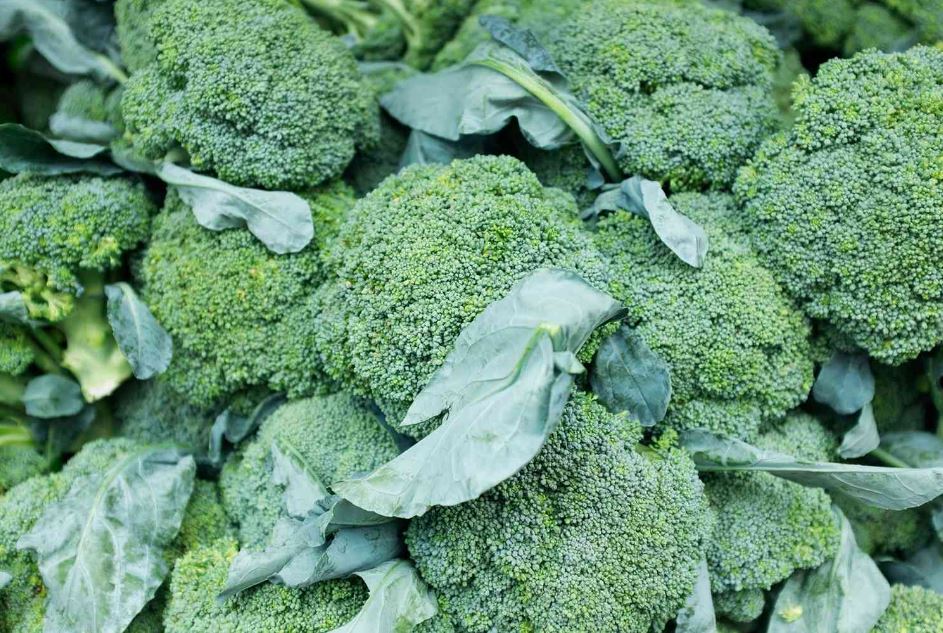
Broccoli's Impressive Nutritional Profile
Broccoli belongs to the cruciferous vegetable family, which also includes:
-
Cauliflower
-
Brussels sprouts
-
Cabbage
-
Kale
-
Bok choy
Despite being low in calories, broccoli contains a wide variety of beneficial nutrients, including:
-
Vitamin C
-
Vitamin K
-
Folate
-
Potassium
-
Fiber
-
Antioxidants
-
Plant compounds known as glucosinolates
This nutrient density is one reason why nutrition experts often rank broccoli among the healthiest vegetables.
1. Your Immune System May Receive Extra Support
One of broccoli's standout nutrients is vitamin C.
In fact, broccoli contains surprisingly high amounts of this important vitamin.
Why Vitamin C Matters
Vitamin C helps support:
-
Immune function
-
Collagen production
-
Wound healing
-
Antioxidant protection
Regular consumption of vitamin C-rich foods may help the body maintain healthy immune defenses.
2. Your Digestive System May Function More Smoothly
Broccoli is an excellent source of dietary fiber.
Fiber plays an important role in:
-
Digestive health
-
Bowel regularity
-
Gut health
Adequate fiber intake may help:
-
Prevent constipation
-
Promote healthy digestion
-
Support beneficial gut bacteria
Many people fail to consume enough fiber, making vegetables like broccoli especially valuable.
3. You May Feel Fuller for Longer
Fiber also contributes to satiety.
When included in meals, broccoli may help people feel satisfied without adding excessive calories.
This can be helpful for individuals who are:
-
Managing weight
-
Reducing calorie intake
-
Trying to avoid overeating
Because broccoli is both filling and nutrient-dense, it fits well into many healthy eating plans.
4. Your Heart May Benefit
Heart disease remains one of the leading health concerns worldwide.
Several nutrients found in broccoli may support cardiovascular wellness.
Potential Heart-Friendly Benefits
Broccoli contains:
-
Fiber
-
Potassium
-
Antioxidants
These nutrients may help support:
-
Healthy blood pressure
-
Cholesterol management
-
Blood vessel function
A diet rich in vegetables is consistently associated with better cardiovascular health outcomes.
5. Your Body Receives Powerful Antioxidants
Every day, the body is exposed to oxidative stress from:
-
Pollution
-
Sunlight
-
Smoking
-
Normal metabolism
Antioxidants help protect cells from damage caused by free radicals.
Broccoli contains several antioxidant compounds that contribute to its reputation as a health-promoting food.
Among the most studied is sulforaphane, a naturally occurring plant compound found in cruciferous vegetables.
6. Bone Health May Improve
Strong bones require more than just calcium.
Broccoli provides nutrients that support skeletal health, including:
-
Vitamin K
-
Calcium
-
Magnesium
Vitamin K plays a particularly important role in maintaining normal bone metabolism.
Regular consumption of nutrient-rich vegetables may contribute to long-term bone health.
7. Blood Sugar Management May Be Supported
Emerging research suggests that broccoli and its compounds may play a role in supporting healthy glucose metabolism.
Although broccoli is not a treatment for diabetes, its:
-
Fiber content
-
Low calorie density
-
Low glycemic impact
make it an excellent choice for many people seeking balanced nutrition.
8. Your Skin May Benefit
The nutrients in broccoli support several aspects of skin health.
Vitamin C contributes to collagen production, which helps maintain skin structure.
Antioxidants may also help protect skin cells from environmental stressors.
While no food can stop aging, a nutrient-rich diet may help support healthy skin over time.
9. Your Eyes May Receive Protective Nutrients
Broccoli contains compounds such as:
-
Lutein
-
Zeaxanthin
These plant pigments are known for their role in eye health.
Researchers continue studying how these nutrients may help support vision as people age.
10. You May Reduce Overall Nutritional Gaps
Many people fall short of recommended intakes for:
-
Fiber
-
Vitamin C
-
Folate
-
Potassium
Adding broccoli to meals can help increase intake of these important nutrients.
This contributes to overall dietary quality and nutritional balance.
What's Special About Sulforaphane?
One reason broccoli receives so much scientific attention is its sulforaphane content.
Sulforaphane is produced when broccoli is:
-
Chopped
-
Crushed
-
Chewed
Researchers continue investigating its potential effects on:
-
Cellular protection
-
Inflammation
-
Metabolic health
Although studies remain ongoing, sulforaphane is considered one of broccoli's most interesting compounds.
The Best Ways to Prepare Broccoli
Cooking methods can influence nutrient retention.
Popular Options
-
Steaming
-
Light sautéing
-
Roasting
-
Stir-frying
Many experts suggest avoiding excessive boiling because some water-soluble nutrients may be lost.
Steaming is often considered one of the best methods for preserving nutritional value.
Can You Eat Too Much Broccoli?
For most healthy individuals, broccoli is extremely safe.
However, very large amounts may occasionally contribute to:
-
Gas
-
Bloating
-
Digestive discomfort
People with certain thyroid conditions may wish to discuss large quantities of cruciferous vegetables with their healthcare provider, although normal dietary consumption is generally considered safe.
Simple Ways to Add More Broccoli to Your Diet
If you're not accustomed to eating broccoli regularly, try:
-
Adding it to omelets
-
Mixing it into stir-fries
-
Including it in soups
-
Roasting it with olive oil
-
Pairing it with lean protein
-
Blending it into vegetable dishes
Small changes can make healthy eating more sustainable.
Common Myths About Broccoli
Myth 1: Broccoli Is Only for Weight Loss
While broccoli supports weight management, its benefits extend far beyond calorie control.
Myth 2: Raw Broccoli Is Always Better
Both raw and cooked broccoli offer valuable nutrients.
Different preparation methods may affect nutrient levels differently.
Myth 3: One Food Can Transform Your Health
Broccoli is nutritious, but no single food can replace a balanced diet and healthy lifestyle.
Final Thoughts
Broccoli has earned its reputation as one of the most nutrient-dense vegetables available. Rich in vitamins, minerals, fiber, antioxidants, and beneficial plant compounds, it may support immune health, digestion, heart function, bone strength, skin health, and overall wellness.
While eating broccoli alone won't guarantee perfect health, incorporating it regularly into a balanced diet can be a simple and effective way to increase nutrient intake and support long-term well-being.
Sometimes the healthiest foods are also the simplest—and broccoli is a perfect example of how one humble vegetable can deliver a remarkable range of potential benefits.