Have you ever stepped outside on a cold day and noticed that one or more of your fingers suddenly turned pale or completely white? While many people assume this is simply a normal reaction to cold weather, recurring episodes of finger discoloration may sometimes indicate an underlying circulation issue that deserves attention.
In some cases, fingers that turn white in response to cold temperatures or emotional stress may be associated with a condition known as Raynaud's phenomenon, a disorder that affects blood flow to certain parts of the body.
Although the condition is often manageable, recognizing the signs and understanding when to seek medical advice can help protect your long-term health.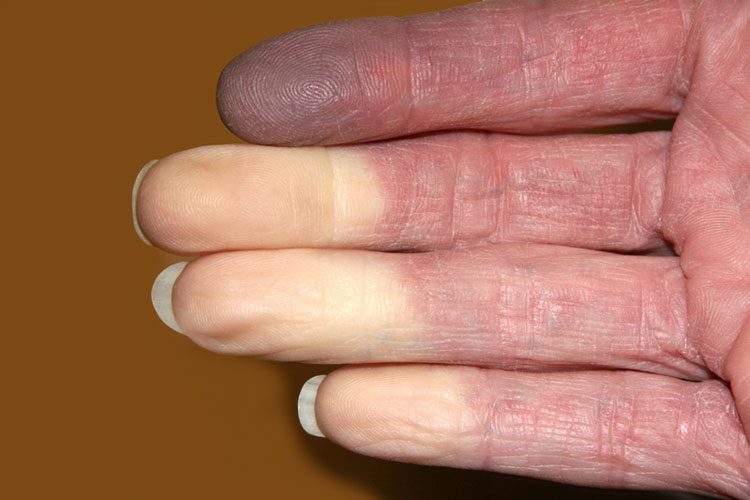
Why Do Fingers Turn White?
Under normal circumstances, blood vessels help regulate body temperature by expanding and narrowing as needed.
When exposed to cold temperatures, blood vessels naturally constrict to help preserve body heat.
However, in some individuals, this response becomes exaggerated.
The small arteries supplying blood to the fingers can narrow excessively, temporarily reducing blood flow.
As a result, the fingers may:
-
Turn white
-
Feel cold
-
Become numb
-
Lose sensation temporarily
Once circulation returns, the fingers often change color again.
The Three Color Changes Often Seen
Many people with circulation-related finger discoloration experience a characteristic sequence of color changes.
Stage 1: White
Reduced blood flow causes the skin to lose its normal color.
The fingers may appear:
-
Pale
-
White
-
Waxy
This stage often occurs during cold exposure.
Stage 2: Blue
As oxygen levels in the affected tissues decrease, the fingers may turn bluish.
Some people experience:
-
Tingling
-
Numbness
-
Cold sensations
Stage 3: Red
When blood flow returns, the fingers may become:
-
Red
-
Warm
-
Throbbing
-
Slightly swollen
This stage may be uncomfortable but usually resolves on its own.
Not everyone experiences all three stages.
What Is Raynaud's Phenomenon?
Raynaud's phenomenon is a condition in which blood vessels overreact to cold temperatures or emotional stress.
The condition commonly affects:
-
Fingers
-
Toes
-
Nose
-
Ears
Episodes can last from a few minutes to several hours.
For many people, symptoms remain mild. However, severe cases may require medical attention.
Two Types of Raynaud's
Primary Raynaud's
This is the most common form.
Characteristics include:
-
No underlying disease
-
Usually begins in younger adults
-
Symptoms are often mild
-
Generally manageable
Many individuals live with primary Raynaud's for years without serious complications.
Secondary Raynaud's
This form is associated with an underlying medical condition.
Potential causes include:
-
Autoimmune diseases
-
Connective tissue disorders
-
Certain vascular conditions
-
Some medications
Secondary Raynaud's may be more severe and deserves closer medical evaluation.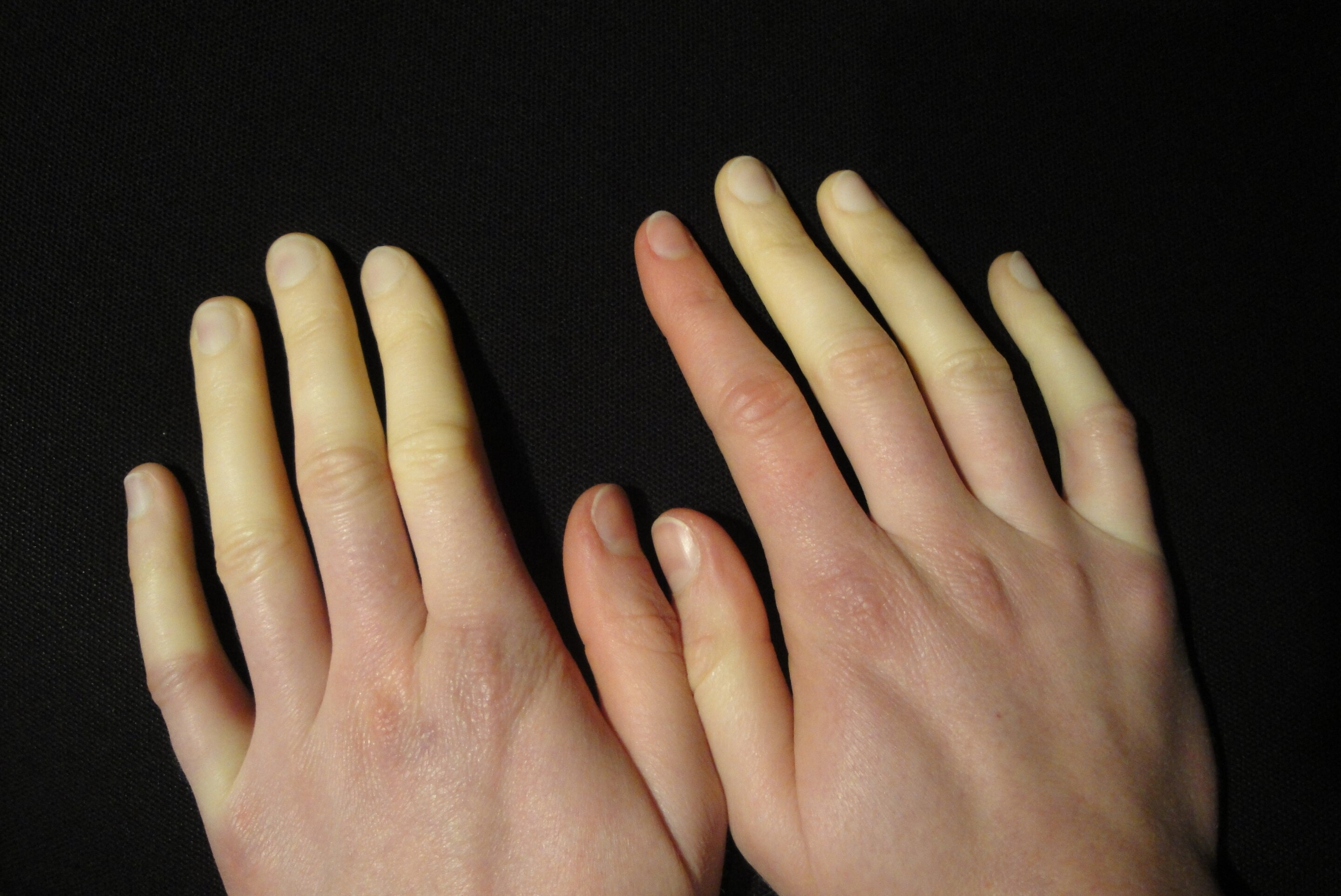
Common Triggers
Several factors can trigger episodes.
Cold Weather
The most common trigger is exposure to cold temperatures.
Examples include:
-
Winter weather
-
Air-conditioned environments
-
Handling frozen foods
-
Cold water exposure
Emotional Stress
Stress can also cause blood vessels to constrict.
Many individuals notice symptoms during:
-
Anxiety
-
Emotional upset
-
Intense stress
Vibration Exposure
Repeated use of vibrating tools may contribute to symptoms in some individuals.
Smoking
Nicotine narrows blood vessels and may worsen circulation problems.
Symptoms You Shouldn't Ignore
While occasional cold hands are common, certain symptoms deserve medical attention.
These include:
-
Frequent episodes
-
Severe pain
-
Skin ulcers
-
Persistent numbness
-
Symptoms affecting daily activities
-
Discoloration that lasts unusually long
These signs may indicate more significant circulation issues.
Who Is More Likely to Experience It?
Several factors increase the likelihood of developing Raynaud's phenomenon.
Gender
Women appear to be affected more often than men.
Family History
Genetics may play a role.
Climate
People living in colder regions often experience symptoms more frequently.
Certain Medical Conditions
Conditions linked to secondary Raynaud's include:
-
Lupus
-
Scleroderma
-
Rheumatoid arthritis
-
Sjögren's syndrome
These conditions affect connective tissues and blood vessels.
How Doctors Diagnose the Condition
Diagnosis typically begins with a medical history and physical examination.
Doctors may ask:
-
When symptoms occur
-
How often episodes happen
-
Whether color changes are present
-
If other symptoms exist
Additional tests may sometimes be recommended to identify underlying causes.
Can It Affect More Than the Fingers?
Yes.
Although fingers are most commonly affected, reduced blood flow may also occur in:
-
Toes
-
Nose
-
Lips
-
Ears
The symptoms are generally similar regardless of location.
Ways to Reduce Episodes
Fortunately, many people can reduce symptoms through simple lifestyle adjustments.
Keep Warm
One of the most effective strategies is preventing cold exposure.
Helpful measures include:
-
Wearing gloves
-
Using hand warmers
-
Dressing in layers
-
Keeping indoor spaces warm
Manage Stress
Relaxation techniques may help reduce stress-related episodes.
Examples include:
-
Meditation
-
Deep breathing
-
Gentle exercise
-
Yoga
Avoid Smoking
Smoking can significantly worsen circulation problems.
Quitting may improve overall vascular health.
Stay Physically Active
Regular exercise supports:
-
Circulation
-
Heart health
-
Blood vessel function
When Should You See a Doctor?
Consider seeking medical advice if:
-
Symptoms are severe
-
Episodes become more frequent
-
Skin sores develop
-
One side is affected more than the other
-
Daily activities become difficult
A healthcare professional can help determine whether an underlying condition may be contributing to symptoms.
Common Myths About White Fingers in the Cold
Myth 1: It's Always Normal
While cold hands are common, recurring color changes may indicate a circulation disorder.
Myth 2: Only Older Adults Get It
Raynaud's often begins in younger adults, especially women.
Myth 3: It's Just a Cosmetic Issue
Although many cases are mild, some individuals experience significant discomfort and complications.
Supporting Healthy Circulation
Healthy habits that support blood vessel function include:
-
Regular exercise
-
Balanced nutrition
-
Maintaining a healthy weight
-
Avoiding tobacco products
-
Managing blood pressure
-
Controlling stress
These habits benefit overall cardiovascular health as well.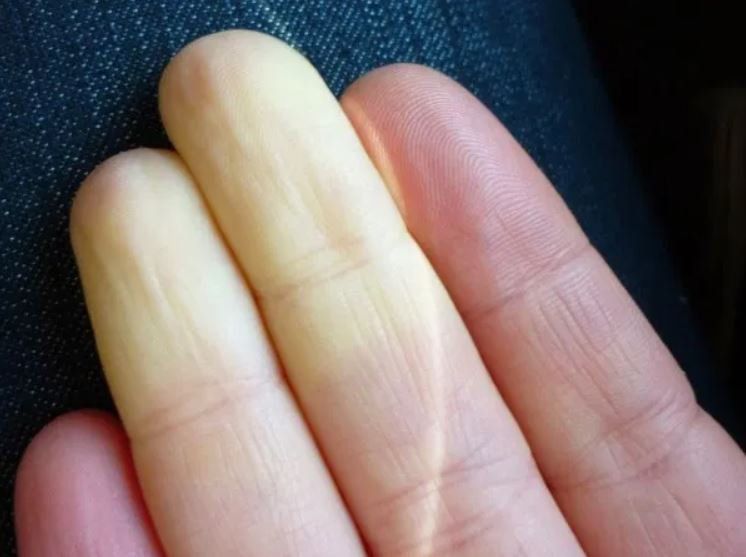
Final Thoughts
If your fingers regularly turn white when exposed to cold temperatures, your body may be signaling that blood flow is being temporarily restricted. While occasional episodes may be harmless, repeated or severe symptoms can sometimes indicate Raynaud's phenomenon or another circulation-related condition.
Paying attention to color changes, numbness, tingling, and discomfort can help you recognize patterns and determine whether medical evaluation is needed.
In many cases, simple lifestyle changes can make a significant difference. However, when symptoms become persistent or severe, professional medical advice is the best way to protect your health and ensure proper circulation throughout the body.
Sometimes a seemingly small change in color can reveal an important message about what's happening beneath the surface.