Constipation is one of the most common digestive complaints worldwide. Nearly everyone experiences it at some point, whether due to dietary changes, dehydration, stress, travel, medications, or a lack of physical activity. While occasional constipation is usually not a serious health concern, it can be uncomfortable, frustrating, and sometimes even painful.
The good news is that many cases of mild constipation can be improved through simple lifestyle adjustments and natural home remedies. Understanding what causes constipation and how to address it naturally may help restore regular bowel movements and improve overall digestive health.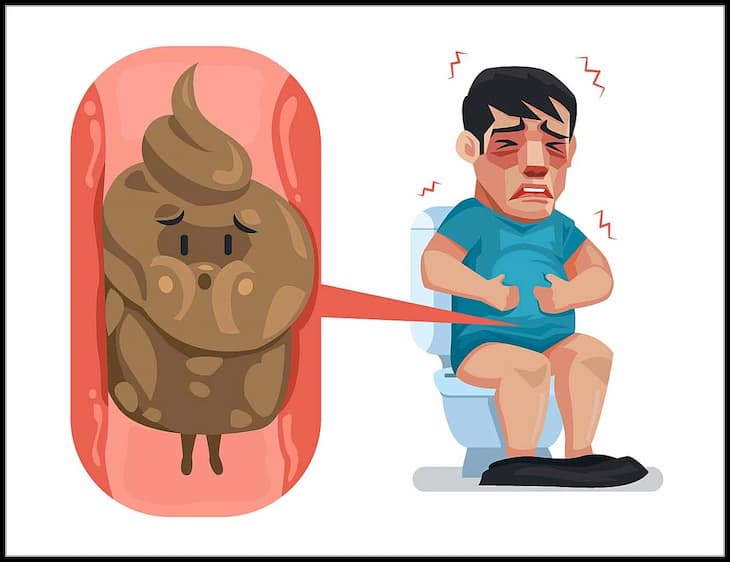
What Is Constipation?
Constipation generally refers to bowel movements that are:
-
Infrequent
-
Difficult to pass
-
Hard or dry
-
Accompanied by straining
Although bowel habits vary from person to person, constipation is often defined as having fewer than three bowel movements per week.
Common symptoms include:
-
Abdominal discomfort
-
Bloating
-
A feeling of incomplete emptying
-
Hard stools
-
Excessive straining
Why Does Constipation Happen?
Several factors can contribute to constipation.
Common causes include:
-
Not drinking enough water
-
Low fiber intake
-
Lack of physical activity
-
Ignoring the urge to use the bathroom
-
Stress
-
Travel
-
Certain medications
-
Pregnancy
-
Aging
Identifying the underlying cause is often the first step toward finding relief.
1. Drink More Water
One of the simplest and most effective remedies for constipation is proper hydration.
Water helps:
-
Soften stool
-
Support digestion
-
Promote smoother bowel movements
When the body becomes dehydrated, the colon absorbs more water from waste material, making stool harder and more difficult to pass.
How Much Water Is Enough?
Needs vary by individual, but many adults benefit from:
-
Approximately 2 to 3 liters of fluids daily
Water remains the best choice for most people.
2. Increase Fiber Intake
Fiber plays a crucial role in digestive health.
It adds bulk to stool and helps move waste through the digestive tract.
High-Fiber Foods Include:
-
Oats
-
Apples
-
Pears
-
Berries
-
Broccoli
-
Carrots
-
Lentils
-
Beans
-
Whole grains
-
Chia seeds
-
Flaxseeds
Important Tip
Increase fiber gradually.
Adding too much fiber too quickly may cause:
-
Gas
-
Bloating
-
Digestive discomfort
3. Eat Prunes
Prunes are one of the most well-known natural remedies for constipation.
They contain:
-
Fiber
-
Sorbitol
-
Natural compounds that may support bowel function
Sorbitol acts as a natural sugar alcohol that can help draw water into the intestines.
Many people find that a small serving of prunes helps improve regularity.
4. Stay Physically Active
Movement helps stimulate the digestive system.
Regular exercise may encourage bowel activity and improve overall digestive function.
Beneficial Activities Include:
-
Walking
-
Cycling
-
Swimming
-
Yoga
-
Light jogging
Even a 20- to 30-minute walk can sometimes help stimulate bowel movements.
5. Try Warm Liquids
Warm beverages may encourage digestive activity for some individuals.
Popular options include:
-
Warm water
-
Herbal tea
-
Warm lemon water
Many people report that drinking a warm beverage in the morning helps support regular bowel habits.
6. Don't Ignore the Urge to Go
One common cause of constipation is delaying bowel movements.
Ignoring the urge repeatedly may:
-
Reduce bowel sensitivity
-
Make stools harder
-
Increase constipation risk
When nature calls, responding promptly may help maintain healthy bowel habits.
7. Consider Chia Seeds and Flaxseeds
These tiny seeds are rich in fiber and can absorb water, creating a gel-like texture that may help soften stool.
Ways to Use Them
-
Add to smoothies
-
Mix into yogurt
-
Sprinkle on oatmeal
-
Stir into cereal
Always consume them with adequate fluids.
8. Manage Stress
The digestive system and nervous system are closely connected.
Stress can affect:
-
Gut motility
-
Digestion
-
Bowel habits
Some people experience constipation during periods of:
-
Anxiety
-
Major life changes
-
Work-related stress
Stress-reduction techniques may help support digestive health.
Examples include:
-
Meditation
-
Deep breathing
-
Mindfulness
-
Gentle exercise
9. Establish a Routine
The body often responds well to consistency.
Try:
-
Eating meals at regular times
-
Maintaining a consistent sleep schedule
-
Setting aside time for bathroom visits
Many people find that using the bathroom after breakfast helps encourage regularity.
10. Try Probiotic-Rich Foods
A healthy gut microbiome may support digestive function.
Foods containing probiotics include:
-
Yogurt with live cultures
-
Kefir
-
Sauerkraut
-
Kimchi
-
Fermented foods
Research continues to explore the relationship between gut bacteria and bowel health.
Foods That May Worsen Constipation
Certain foods may contribute to constipation in some individuals.
These include:
-
Highly processed foods
-
Fast food
-
Excessive cheese
-
Refined grains
-
Low-fiber snacks
Limiting these foods while increasing fiber-rich options may help improve symptoms.
Common Myths About Constipation
Myth 1: Everyone Should Have a Daily Bowel Movement
Normal bowel habits vary.
Some healthy individuals naturally have bowel movements less frequently than once per day.
Myth 2: Laxatives Are Always the Best Solution
While laxatives can be useful in certain situations, they may not address the underlying cause of constipation.
Lifestyle changes often provide more sustainable results.
Myth 3: Coffee Works for Everyone
Although coffee stimulates bowel activity in some people, others may experience little or no effect.
When Should You See a Doctor?
Most cases of occasional constipation improve with lifestyle changes.
However, medical attention may be needed if constipation is accompanied by:
-
Blood in the stool
-
Severe abdominal pain
-
Unexplained weight loss
-
Persistent symptoms
-
Vomiting
-
Significant changes in bowel habits
These symptoms may indicate an underlying medical condition that requires evaluation.
Preventing Constipation Long-Term
Healthy habits can help reduce the likelihood of future episodes.
Focus on:
-
Drinking enough water
-
Eating sufficient fiber
-
Staying active
-
Managing stress
-
Responding to bowel urges promptly
-
Maintaining a consistent routine
Small daily choices often have the greatest impact on digestive health.
Final Thoughts
Constipation is common, but it doesn't have to become a regular part of life. In many cases, simple home remedies such as drinking more water, increasing fiber intake, eating prunes, exercising regularly, managing stress, and establishing healthy routines can provide meaningful relief.
While occasional constipation is usually manageable at home, persistent or severe symptoms should be evaluated by a healthcare professional. Paying attention to your body's signals and supporting digestive health through balanced lifestyle habits can help keep your digestive system functioning smoothly and comfortably.
Sometimes the most effective remedies are also the simplest—and consistency is often the key to long-term relief.