Doctors Reveal What Really Happens When You Eat Cashews
Cashews are creamy, delicious, and packed with nutrients. But you may have seen headlines claiming that eating cashews “causes” certain health problems. So what’s the truth?
Medical experts say cashews can be very healthy for most people — but like any food, they can also cause issues in specific situations. Here’s what doctors and reputable health organizations say about the benefits and risks.
🥜 1. Cashews Can Improve Heart Health
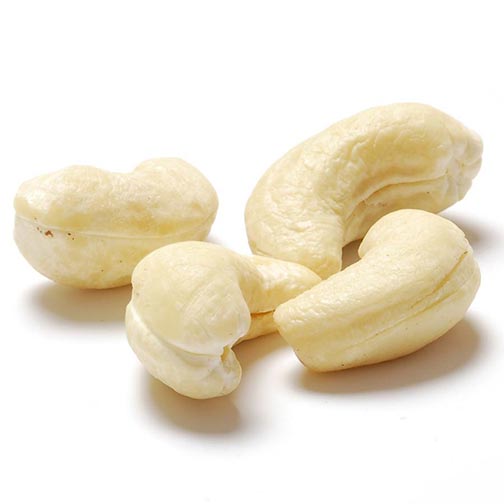
Cashews are rich in:
-
Monounsaturated and polyunsaturated fats (heart-healthy fats)
-
Magnesium
-
Copper
-
Plant-based protein
According to the Cleveland Clinic, nuts like cashews may help lower LDL (“bad”) cholesterol and support cardiovascular health when eaten in moderation.
The American Heart Association also recommends nuts as part of a heart-healthy dietary pattern because they contain healthy fats, fiber, and antioxidants.
What this means: Eating moderate amounts of unsalted cashews may support heart health — not harm it.
🍬 2. Cashews May Help With Blood Sugar Control
Research cited by Healthline and medical nutrition experts shows that replacing refined carbohydrates with nuts like cashews may improve blood sugar control in people with type 2 diabetes.
Cashews contain:
-
Fiber
-
Healthy fats
-
Protein
These nutrients slow digestion and help prevent rapid blood sugar spikes.
However: Portion size matters. Cashews are calorie-dense, so overeating may contribute to weight gain, which can negatively affect blood sugar over time.
⚠️ 3. Cashews Can Cause Severe Allergic Reactions
For some individuals, eating cashews can be dangerous.
Cashews are classified as tree nuts — one of the most common food allergens. According to the American College of Allergy, Asthma & Immunology, tree nut allergies can trigger:
-
Hives
-
Swelling of lips or throat
-
Difficulty breathing
-
Anaphylaxis (life-threatening reaction)
If you have a known tree nut allergy, you should avoid cashews entirely.
💎 4. Cashews Contain Oxalates (May Affect Kidney Stone Risk)
Cashews naturally contain oxalates — compounds that can contribute to calcium oxalate kidney stones in susceptible individuals.
According to nutrition experts cited by WebMD, people who have a history of oxalate kidney stones may need to moderate high-oxalate foods, including certain nuts.
For healthy individuals without a history of kidney stones, moderate intake is generally not considered a problem.
☠️ 5. Truly “Raw” Cashews Are Toxic — But Store-Bought Ones Are Safe
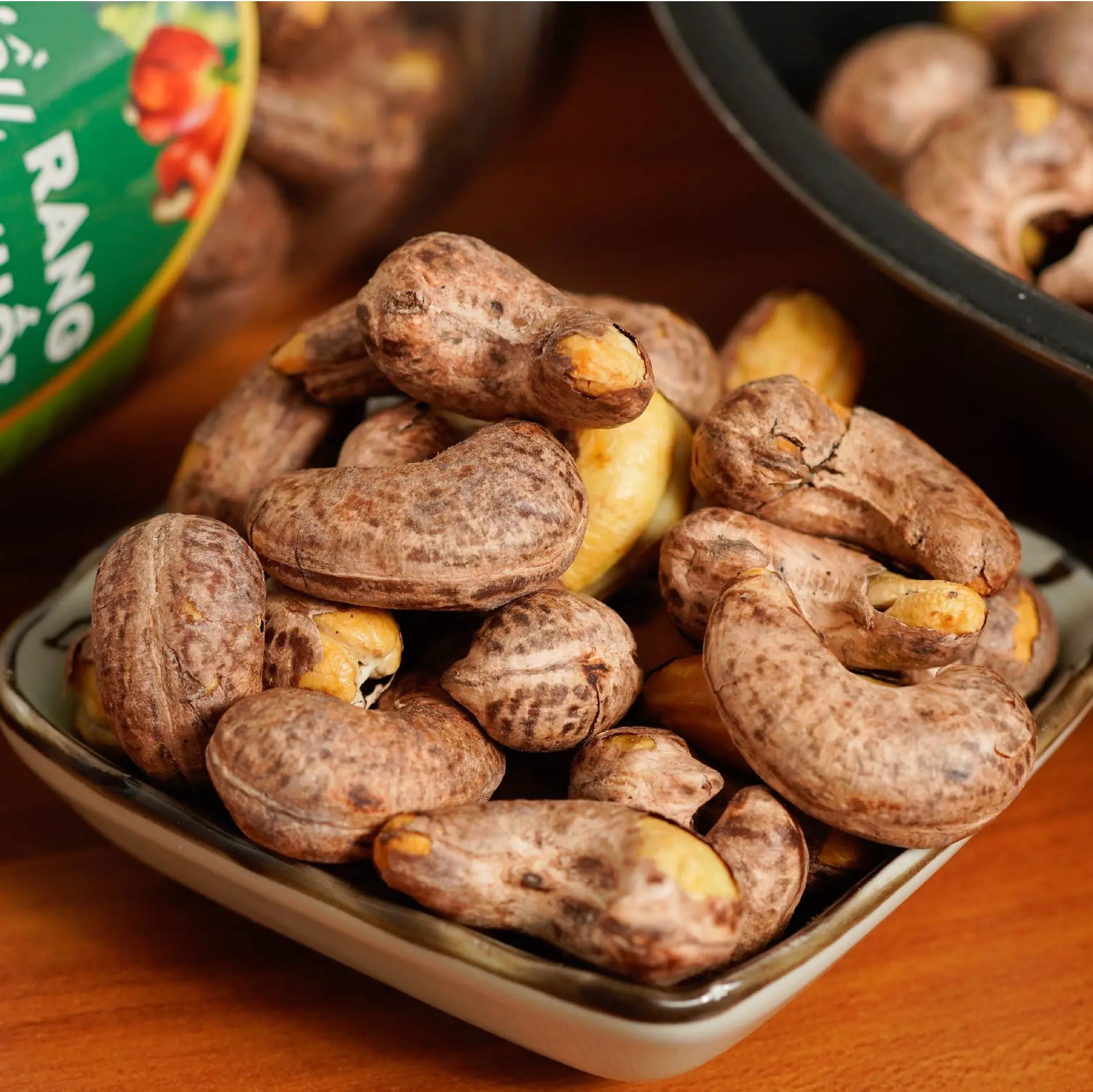
Cashews grow inside a shell that contains urushiol, a toxic compound also found in poison ivy.
However, as explained by Healthline, cashews labeled “raw” in stores have already been steamed to remove this toxin. Truly raw, unprocessed cashews are not sold for direct consumption.
So the cashews you buy from reputable retailers are safe.
How Much Is Safe to Eat?
Most experts recommend about one ounce (28–30 grams) per day — roughly 18–20 cashews.
To maximize benefits:
-
Choose unsalted varieties
-
Avoid heavily salted or sugar-coated versions
-
Watch portion sizes
The Bottom Line
Doctors do not warn that cashews are dangerous for the average person. In fact, research from major medical organizations suggests they may support heart health and blood sugar control.
However, eating cashews can cause problems if:
-
You have a tree nut allergy
-
You overeat them regularly
-
You are prone to kidney stones
For most healthy adults, cashews are safe and beneficial when eaten in moderation.