Waking Up at 3 or 4 AM? Your Body May Be Trying to Tell You Something 👀
Waking up in the middle of the night once in a while is normal. But if you frequently find yourself waking up at 3 or 4 in the morning and struggling to fall back asleep, your body could be responding to stress, lifestyle habits, sleep disturbances, or underlying health issues.
Sleep experts say that repeated nighttime awakenings should not always be ignored — especially when they begin affecting energy, mood, concentration, or overall well-being.
Here are some of the most common reasons why people wake up during the early morning hours.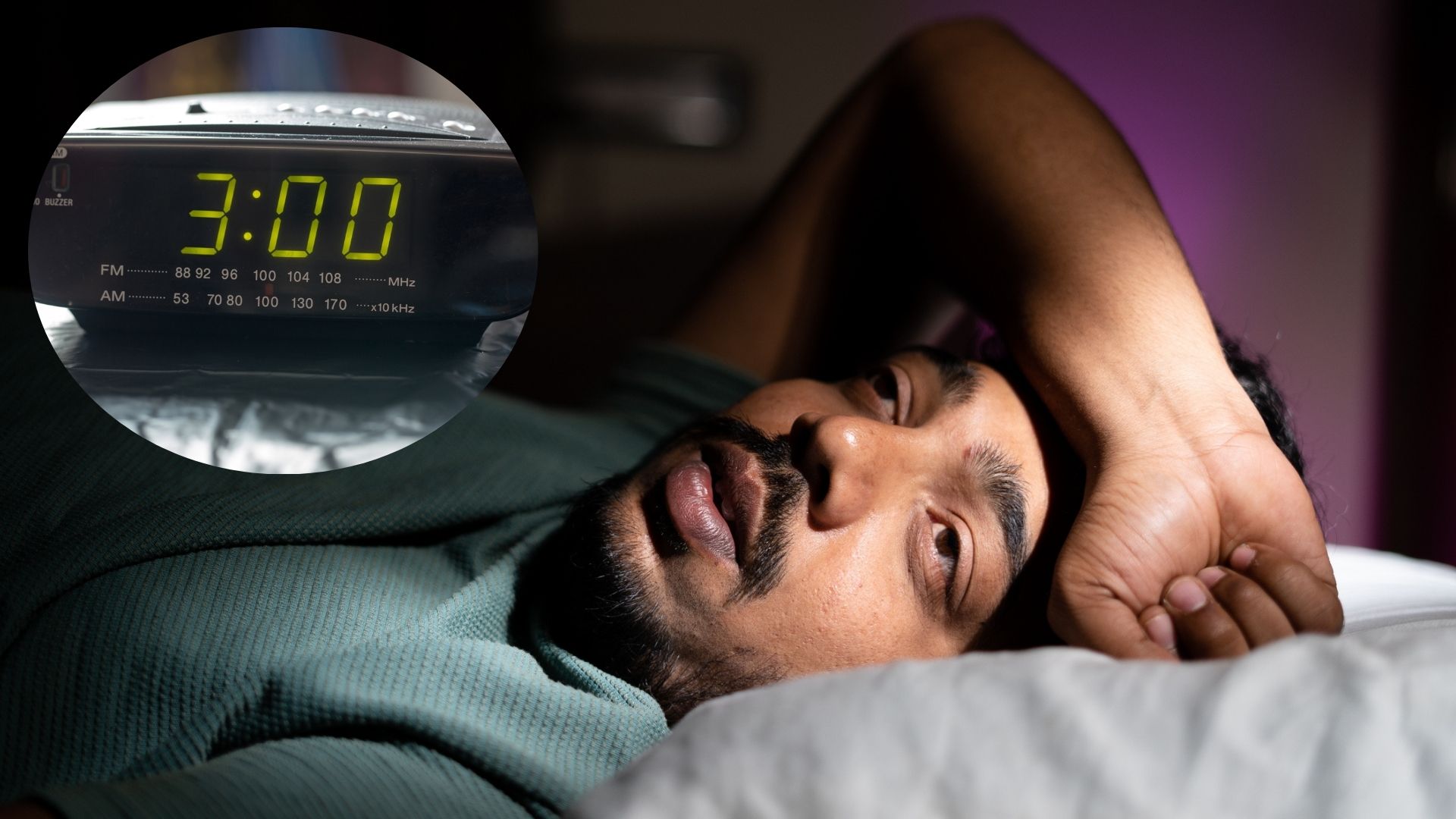
1. Stress and Anxiety
One of the most common causes of waking up at 3 or 4 AM is stress.
When the body is under emotional pressure, stress hormones like cortisol may remain elevated during the night, making it harder to stay asleep.
People experiencing stress may notice:
- Racing thoughts
- Difficulty relaxing
- Increased nighttime alertness
- Trouble falling back asleep
Anxiety can keep the brain in a more active state even while the body is tired.
2. Changes in Sleep Cycles
Sleep occurs in cycles throughout the night. As morning approaches, the body naturally enters lighter stages of sleep, making awakenings more likely.
Small disturbances such as:
- Noise
- Temperature changes
- Light exposure
- Movement
can become enough to wake someone during these lighter sleep phases.
3. High Stress Hormone Levels
Cortisol levels naturally begin rising in the early morning hours to prepare the body to wake up.
However, poor sleep habits, chronic stress, or irregular schedules may disrupt this process and cause premature awakenings.
Some people feel suddenly alert at 3 or 4 AM even when they still need more sleep.
4. Blood Sugar Fluctuations

Blood sugar changes during the night may also affect sleep quality.
Possible triggers include:
- Eating heavy meals late at night
- Excess sugar before bed
- Skipping dinner
- Alcohol consumption
Blood sugar drops or spikes may stimulate stress hormones that wake the body during sleep.
5. Sleep Apnea
Sleep apnea is a condition in which breathing repeatedly stops and starts during sleep.
Warning signs may include:
- Loud snoring
- Gasping for air
- Morning headaches
- Dry mouth
- Daytime fatigue
People with sleep apnea may wake up multiple times during the night without fully realizing why.
6. Needing to Use the Bathroom

Frequent nighttime urination can interrupt sleep, especially in older adults.
Possible causes include:
- Drinking too much fluid before bed
- Caffeine or alcohol
- Diabetes
- Bladder issues
- Enlarged prostate in men
Repeated awakenings to urinate can make it difficult to achieve deep, restorative sleep.
7. Hormonal Changes
Hormonal fluctuations can strongly affect sleep patterns.
This is especially common during:
- Menopause
- Pregnancy
- Aging
- Thyroid disorders
Night sweats, temperature changes, and hormone shifts may contribute to waking up in the early morning hours.
8. Poor Sleep Habits
Lifestyle habits can significantly impact sleep quality.
Common sleep disruptors include:
- Excessive screen time before bed
- Irregular sleep schedules
- Too much caffeine
- Late-night meals
- Lack of physical activity
Over time, poor sleep hygiene may train the body to wake up during the night more often.
9. Depression
Early morning waking is sometimes associated with depression.
Some individuals may:
- Wake much earlier than intended
- Feel unable to return to sleep
- Experience low mood or fatigue during the day
Persistent sleep disturbances combined with emotional changes should be discussed with a healthcare professional.
10. Aging and Lighter Sleep
As people age, sleep naturally becomes lighter and more fragmented.
Older adults may experience:
- More nighttime awakenings
- Less deep sleep
- Earlier wake-up times
Although some sleep changes are normal with aging, chronic sleep disruption should still be evaluated if it affects quality of life.
When Should You Be Concerned?
Experts recommend paying attention if nighttime awakenings:
- Happen frequently
- Last for weeks
- Cause daytime exhaustion
- Affect mood or concentration
- Occur alongside snoring or breathing problems
Persistent sleep problems may sometimes point to underlying health conditions that deserve medical attention.
Tips That May Help Improve Sleep
Healthy sleep habits can sometimes reduce nighttime awakenings.
Experts often recommend:
- Keeping a consistent bedtime
- Avoiding caffeine late in the day
- Reducing screen exposure before bed
- Keeping the bedroom cool and dark
- Managing stress levels
- Avoiding heavy meals late at night
Small lifestyle adjustments can sometimes make a noticeable difference.
Final Thoughts
Waking up at 3 or 4 in the morning occasionally is common. But frequent early-morning awakenings may be connected to stress, hormones, sleep disorders, or lifestyle habits.
The body often responds to physical and emotional imbalances through changes in sleep. Paying attention to persistent sleep disruptions and seeking help when needed may improve both sleep quality and overall health.
Sometimes the body sends quiet signals during the night before bigger problems appear.