The Way You Sleep Could Be Affecting Your Health More Than You Realize 😲
Most people rarely think about their sleeping position. Once we fall asleep, our bodies naturally settle into habits we may have followed for years. But according to sleep experts, the position you sleep in every night can directly affect your spine, breathing, digestion, circulation, and overall sleep quality.
While there is no single “perfect” sleeping position for everyone, certain positions may offer benefits for specific health conditions — while others may place extra strain on the body.
Here’s how different sleeping positions may impact your physical well-being.
1. Sleeping on Your Side
Side sleeping is one of the most common sleep positions worldwide. Many experts consider it one of the healthiest options for overall comfort and breathing.
Possible Benefits:
- May reduce snoring
- Can improve airflow during sleep
- Often recommended for people with mild sleep apnea
- May support spinal alignment
- Can help reduce acid reflux symptoms, especially on the left side
Research suggests that sleeping on the left side may help keep stomach acid from moving upward into the esophagus.
Pregnant women are also frequently encouraged to sleep on their left side because it may improve circulation and reduce pressure on major blood vessels.
Possible Downsides:
However, side sleeping can sometimes lead to:
- Shoulder pain
- Hip discomfort
- Arm numbness
- Facial pressure from the pillow
Using a pillow between the knees may help keep the spine aligned and reduce lower back strain.
2. Sleeping on Your Back
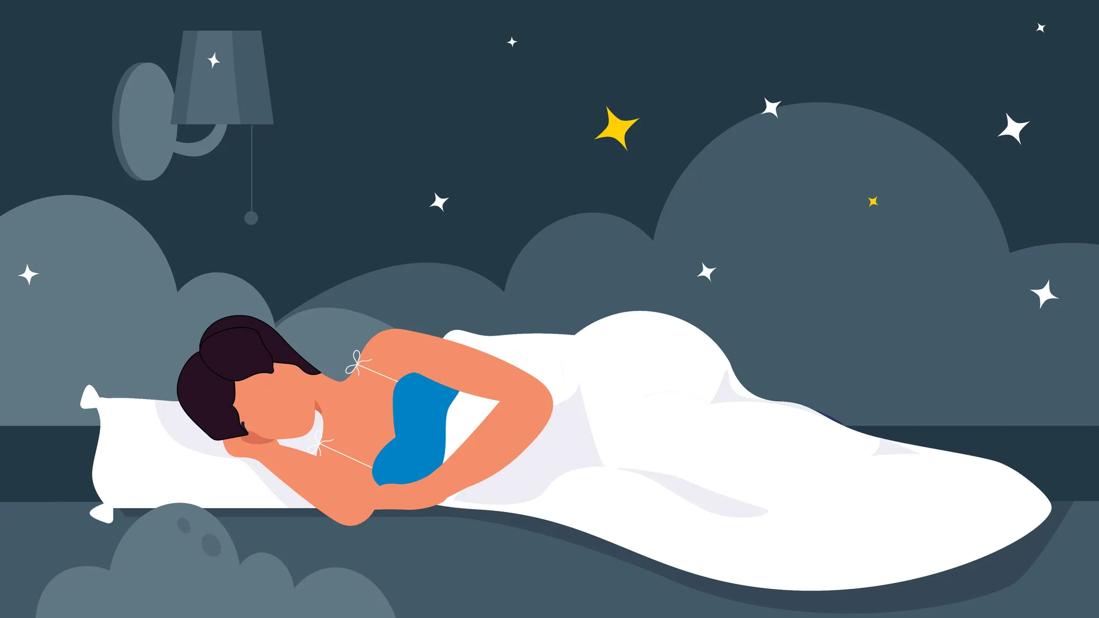
Back sleeping may help distribute body weight evenly and keep the spine in a more neutral position.
Possible Benefits:
- May reduce pressure on joints
- Can help with spinal alignment
- May decrease neck strain
- Helps keep the face off the pillow, reducing skin irritation
Some experts say back sleeping may also help reduce facial wrinkles caused by constant pressure against pillows.
Possible Downsides:
Despite its benefits, back sleeping is not ideal for everyone.
It may:
- Increase snoring
- Worsen sleep apnea
- Make breathing more difficult for some people
When lying on the back, the airway may become more likely to collapse during sleep in people prone to obstructive sleep apnea.
3. Sleeping on Your Stomach
Stomach sleeping may reduce snoring for some individuals, but many experts consider it the least supportive position for the spine.
Possible Problems:
- Increased neck strain
- Lower back pressure
- Twisting of the spine
- Muscle stiffness
Because stomach sleepers usually turn the head to one side for breathing, this position may place extra stress on the neck and shoulders.
Over time, poor sleep posture may contribute to pain and discomfort after waking up.
4. Sleep Position and Digestion

The way you sleep may also affect digestion.
Experts note that:
- Left-side sleeping may help reduce nighttime acid reflux
- Lying flat immediately after large meals may worsen heartburn
- Elevating the upper body slightly can sometimes improve reflux symptoms
People with digestive discomfort are often advised to avoid eating heavy meals right before bedtime.
5. Sleep Position and Breathing
Sleep posture can strongly influence breathing patterns during the night.
Side sleeping is often recommended for:
- Snoring
- Mild sleep apnea
- Better airflow
Back sleeping, on the other hand, may increase airway blockage in certain people.
This is one reason why sleep specialists sometimes encourage positional changes as part of sleep apnea management.
6. Poor Sleep Posture May Lead to Pain
According to sleep experts, poor sleep posture may contribute to:
- Neck pain
- Shoulder tension
- Lower back pain
- Morning headaches
- Joint stiffness
A supportive mattress and properly sized pillow can make a significant difference in keeping the spine aligned during sleep.
7. Sleep Quality Matters as Much as Position
Even the healthiest sleeping position cannot replace good sleep habits.
Experts recommend:
- Keeping a regular sleep schedule
- Limiting screen time before bed
- Avoiding heavy meals late at night
- Sleeping in a cool, quiet environment
- Using supportive bedding
Good-quality sleep is essential for brain function, immune health, recovery, and overall well-being.
Is There a “Best” Sleeping Position?
There is no universal best position because each person’s body and health needs are different.
However:
- Side sleeping is often recommended for breathing and reflux
- Back sleeping may support spinal alignment
- Stomach sleeping may place more strain on the body
The healthiest position is usually the one that allows you to sleep comfortably, breathe properly, and wake up without pain.
Final Thoughts
The way you sleep can affect much more than your comfort during the night. Your sleeping position may influence breathing, digestion, spinal health, circulation, and sleep quality.
Small adjustments — such as changing positions, improving pillow support, or upgrading a mattress — may sometimes improve both sleep and physical well-being.
Sometimes the body responds to simple nighttime habits more than we realize.