The kidneys are among the most important organs in the human body, yet many people rarely think about them until a problem develops. These bean-shaped organs work around the clock to filter waste products from the blood, regulate fluid balance, control electrolytes, help manage blood pressure, and support the production of red blood cells.
One of the challenges of kidney disease is that it often develops silently. In its early stages, symptoms may be subtle or easy to dismiss. As a result, many people do not realize there is a problem until kidney function has already been significantly affected.
The good news is that recognizing potential warning signs early may help individuals seek medical attention sooner and better protect their long-term health.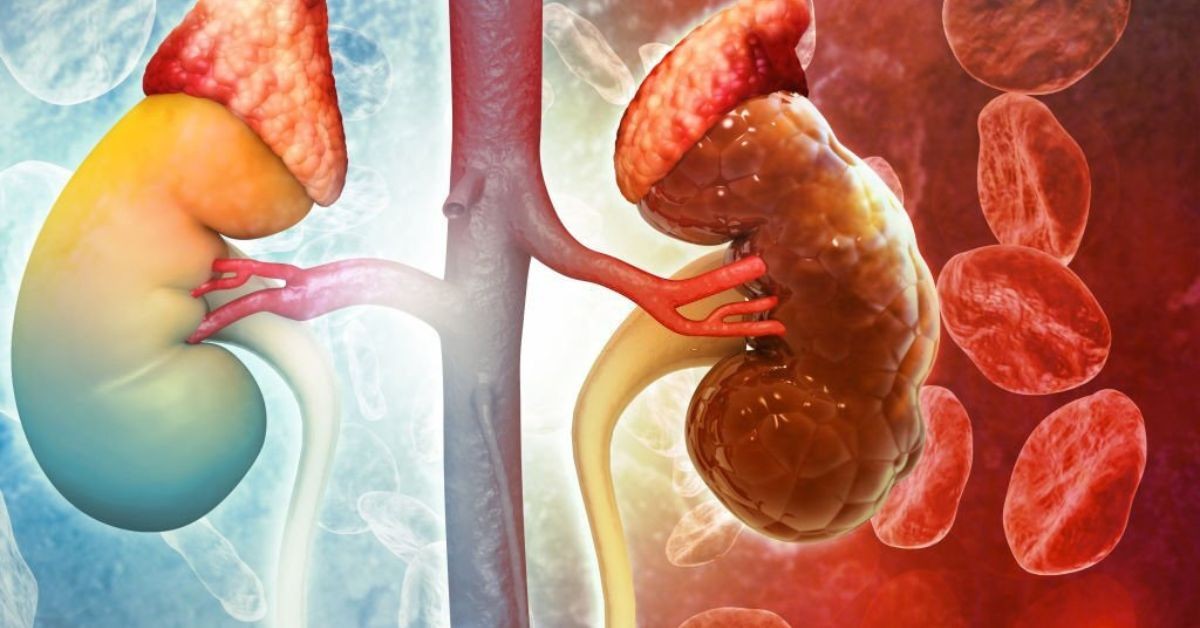
Why Kidney Health Is So Important
Every day, your kidneys perform several critical functions, including:
-
Filtering waste from the bloodstream
-
Removing excess fluids
-
Regulating sodium and potassium levels
-
Supporting healthy blood pressure
-
Producing hormones involved in red blood cell production
-
Maintaining overall fluid balance
When kidney function becomes impaired, these processes may be disrupted, affecting many parts of the body.
1. Changes in Urination
One of the earliest signs of kidney problems often involves noticeable changes in urination.
You may experience:
-
More frequent urination
-
Less frequent urination
-
Waking up often during the night to urinate
-
Foamy urine
-
Darker urine
-
Difficulty urinating
Because the kidneys produce urine, changes in urinary habits can sometimes provide important clues about kidney function.
Why It Happens
When the kidneys struggle to filter blood effectively, changes may occur in urine volume, appearance, or frequency.
Any persistent changes should be discussed with a healthcare professional.
2. Persistent Fatigue
Many people blame fatigue on stress, work, or lack of sleep.
However, ongoing tiredness can sometimes be linked to kidney health.
Possible Symptoms
-
Low energy
-
Difficulty concentrating
-
Weakness
-
Reduced stamina
When kidney function declines, waste products can accumulate in the bloodstream, potentially contributing to fatigue.
In addition, kidney disease may affect the production of hormones involved in red blood cell formation, which can contribute to anemia.
3. Swelling in the Feet, Ankles, or Hands
Healthy kidneys help regulate fluid balance.
When kidney function becomes impaired, excess fluid may accumulate in the body.
Common Areas of Swelling
-
Feet
-
Ankles
-
Legs
-
Hands
-
Face
This swelling is often referred to as edema.
Although swelling can result from many different conditions, persistent fluid retention deserves medical evaluation.
4. Puffy Eyes
Some individuals notice swelling around the eyes, particularly in the morning.
Why It May Occur
The kidneys help regulate proteins within the bloodstream.
Changes in kidney function can sometimes lead to abnormal protein loss through urine, which may contribute to puffiness around the eyes.
Many people overlook this symptom because it may appear gradually.
5. Muscle Cramps
Occasional muscle cramps are common.
However, frequent cramping may sometimes indicate imbalances involving:
-
Potassium
-
Calcium
-
Sodium
-
Other electrolytes
The kidneys play an essential role in maintaining these mineral levels.
When balance is disrupted, muscle cramps may occur more often.
6. Dry and Itchy Skin
Healthy kidneys help remove waste products and maintain mineral balance.
When kidney function declines, some people experience:
-
Persistent itching
-
Dry skin
-
Skin irritation
Although dry skin can result from many causes, unexplained itching that persists should not be ignored.
The Kidney-Skin Connection
Changes in mineral balance and waste removal may contribute to skin-related symptoms.
7. Difficulty Concentrating or Brain Fog
The brain depends on a healthy supply of oxygen and nutrients.
Kidney-related problems may sometimes contribute to:
-
Poor concentration
-
Mental fatigue
-
Memory difficulties
-
Reduced focus
Some individuals describe this as "brain fog."
Although many factors can affect concentration, persistent symptoms may warrant further investigation.
Other Symptoms That May Occur
While the seven signs above are among the more common early indicators, kidney disease can also be associated with:
Nausea
Waste buildup in the bloodstream may contribute to digestive discomfort.
Loss of Appetite
Some people notice reduced interest in food.
High Blood Pressure
Kidneys and blood pressure are closely connected.
In fact, high blood pressure can both contribute to and result from kidney disease.
Shortness of Breath
Fluid accumulation and anemia may sometimes contribute to breathing difficulties.
Who Is at Higher Risk?
Certain individuals face a greater risk of developing kidney disease.
Risk factors include:
-
Diabetes
-
High blood pressure
-
Obesity
-
Smoking
-
Family history of kidney disease
-
Cardiovascular disease
-
Older age
People with these risk factors may benefit from regular medical checkups and kidney function testing.
The Link Between Diabetes and Kidney Disease
Diabetes remains one of the leading causes of chronic kidney disease worldwide.
High blood sugar levels over time can damage the tiny blood vessels within the kidneys.
This may gradually reduce their ability to filter waste effectively.
Maintaining healthy blood sugar levels is therefore important for protecting kidney function.
The Role of Blood Pressure
The kidneys contain an extensive network of blood vessels.
High blood pressure can place excessive stress on these vessels, increasing the risk of kidney damage.
Likewise, kidney disease can contribute to elevated blood pressure, creating a cycle that may worsen over time.
How to Support Kidney Health
Fortunately, several healthy habits may help support normal kidney function.
Stay Hydrated
Adequate water intake helps support the kidneys' filtering processes.
Maintain Healthy Blood Pressure
Controlling blood pressure is one of the most effective ways to protect kidney health.
Manage Blood Sugar
For individuals with diabetes or prediabetes, blood sugar control is especially important.
Eat a Balanced Diet
Focus on:
-
Fruits
-
Vegetables
-
Whole grains
-
Lean proteins
Limit excessive intake of:
-
Highly processed foods
-
Excess sodium
-
Sugary beverages
Stay Active
Regular exercise supports overall cardiovascular and metabolic health.
When Should You See a Doctor?
Consider seeking medical advice if you experience:
-
Persistent swelling
-
Changes in urination
-
Ongoing fatigue
-
Unexplained itching
-
Frequent muscle cramps
-
Puffiness around the eyes
-
Difficulty concentrating
Simple blood and urine tests can often provide valuable information about kidney function.
Common Myths About Kidney Disease
Myth 1: Kidney Disease Always Causes Pain
Many kidney conditions develop without noticeable pain.
Myth 2: Only Older Adults Get Kidney Disease
While risk increases with age, kidney disease can affect adults of all ages.
Myth 3: If You Feel Fine, Your Kidneys Must Be Healthy
Early kidney disease often produces few or no symptoms.
This is why regular health screenings are important.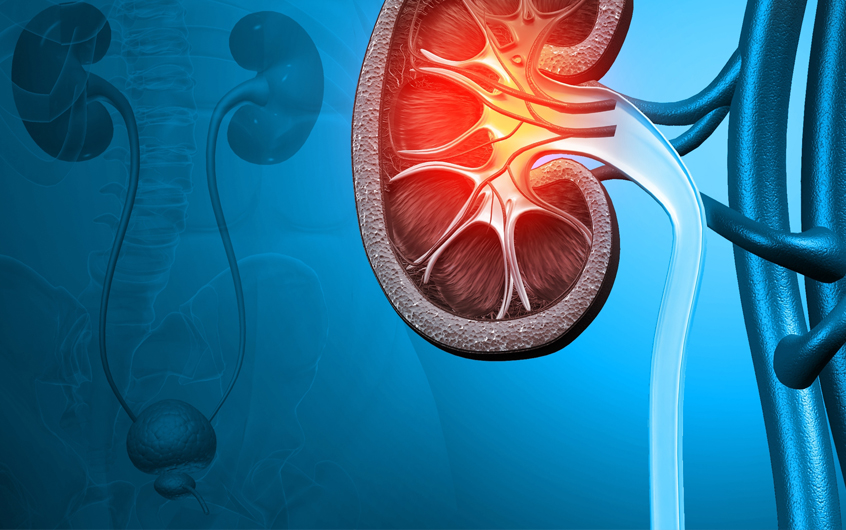
Final Thoughts
Kidney disease is often called a "silent" condition because symptoms may appear gradually and remain unnoticed for years. Changes in urination, fatigue, swelling, puffy eyes, muscle cramps, itchy skin, and difficulty concentrating may all serve as early warning signs that deserve attention.
These symptoms do not automatically mean a person has kidney disease, but they should not be ignored—especially when they persist or occur alongside other health concerns.
The earlier kidney problems are identified, the greater the opportunity to protect kidney function and maintain long-term health. Paying attention to your body's signals today may help prevent more serious complications tomorrow.