Health 07/08/2026 15:23

Early Signs of Multiple Sclerosis (MS)

Early signs of multiple sclerosis can include blurry vision, muscle weakness, dizziness and fatigue, and unusual tingling or pain sensations.1 No two people experience multiple sclerosis (MS) in the same way, and early symptoms can vary.
Clinically Isolated Syndrome
Clinically isolated syndrome (CIS) is the first episode of neurological symptoms due to inflammation and myelin damage in the CNS. Symptoms may develop within hours or take up to two weeks, especially if the spinal cord is affected. Vision-related symptoms often appear within hours to days.2

As an example, a person diagnosed with CIS may experience numbness and tingling in their legs. This would be evaluated by magnetic resonance imaging (MRI) findings that reveal damage to the CNS. To be considered CIS, the episode:2

Must last at least 24 hours
Be caused by inflammation and damage to the myelin
Other symptoms could include dizziness, facial numbness, and problems with gait (walking) and balance. CIS can be followed by a recovery period where the symptoms improve or completely go away. Ongoing research is identifying specific biomarkers that can help to understand who is more likely to develop multiple sclerosis after a CIS episode.3 Not everyone does, and there are treatments approved by the Food and Drug Administration to delay or prevent the progression of CIS to MS.

Optic Neuritis
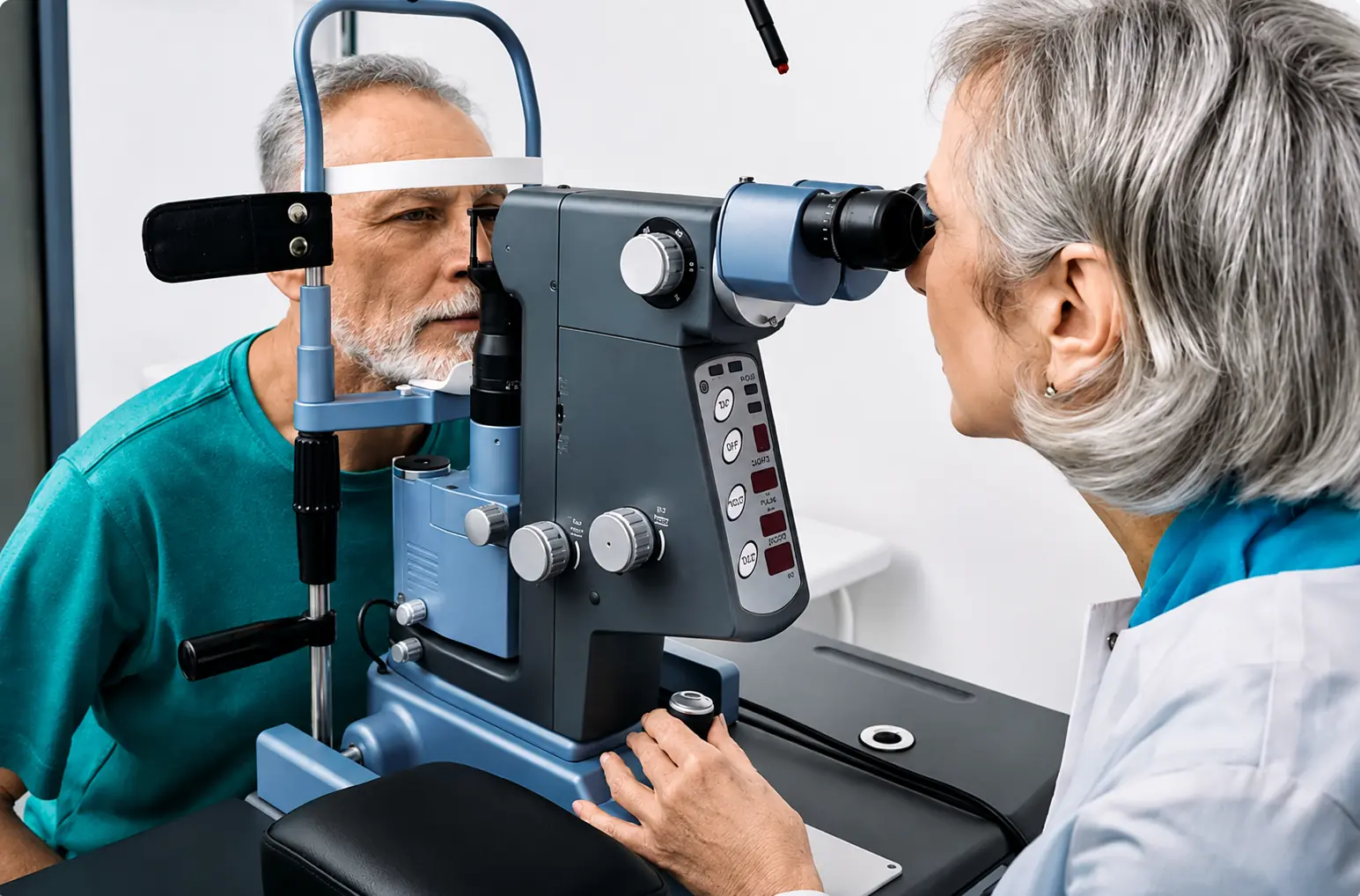
Optic neuritis, which is inflammation of an optic nerve, is often the first sign of MS. CIS can sometimes be diagnosed following an optic neuritis episode.

Your optic nerve delivers messages to your brain about what your eye sees. When the myelin covering the optic nerve is damaged, signals related to sight are interrupted.

The common symptoms of optic neuritis include:5

Blurry vision
Dim vision, as if the lights were turned down
Color vision changes, especially red and green6
Pain in the back of your eye socket
Pain when you move your eyes
A 2024 research report on 157 people who experienced a CIS episode found that 38% of them had optic neuritis as a first symptom. When they were followed up two years later (on average), 71% of them had been diagnosed with multiple sclerosis.

Other Common Symptoms
Even though the symptoms of MS vary in type, severity, and duration, there are some that are more common than others. The following is a brief snapshot of such symptoms:9

Vision Problems
Besides optic neuritis, other common vision problems seen in MS include the following:10

Nystagmus is uncontrolled, jerking movement of the eyes, sometimes referred to as “dancing eyes.” This symptom is caused by damage to the area of the brainstem that controls eye movements.
Diplopia (double vision) is uncoordinated eye movement that causes you to see double. This symptom results from damage to the nerves that control your eye muscles.

Muscle Spasms
Muscle spasms are common in MS and are primarily caused by damaged myelin in the nerves that innervate or connect to your muscles.11 As a result of disrupted nerve signals, your muscles cannot relax properly. This causes muscle stiffness and/or a tightening, cramping, or heavy sensation in the affected muscle(s).

About 80% of people living with MS experience muscle spasms. The legs are most commonly affected by spasms, but they can occur anywhere in the body.11 Muscle spasms also tend to be asymmetric, meaning they are more likely to happen on one side of the body versus both sides.

Pain
Nerve fiber damage in MS causes neuropathic pain, which is associated with burning, stabbing, sharp, itching, or squeezing sensations. This type of pain is associated with disability, depression, and fatigue in MS.

Specific types of neuropathic pain that may be early signs of MS include:12

Lhermitte’s sign is a sensation of electricity that runs down your spine when you touch your chin to your chest. In MS, it’s caused by damage to nerve fibers in your upper spine.
MS hug is a tightening sensation around the chest and ribs caused by damage to the nerve fibers in your spine. The MS hug occurs in about 25% of cases and is often a first symptom of MS.13
Trigeminal neuralgia is an electric-shock-like or stabbing pain in the face or jaw area that is caused by damage to the trigeminal nerve (the fifth cranial nerve).

Fatigue and Weakness
MS fatigue is often felt both physically and mentally. Described by many as “having the flu,” MS fatigue is not eased by sleep and tends to come on suddenly and worsen with heat and humidity.1

The overwhelming exhaustion and depletion of energy seen with MS fatigue may arise from the disease itself and/or other factors like medications, sleep disorders, or depression. Weakness is also common due to damage to the nerve fibers in the CNS that normally control muscle movements.

Lack of activity due to MS-related pain, fatigue, or other symptoms can also contribute to MS weakness. Exercise can help some people to manage symptoms.

Bladder and Bowel Problems
Bladder dysfunction is common in MS, affecting the majority of people at some point in the course of their disease. Urinary symptoms as the first presentation of MS occur in around 3% to 10% of people.15

Symptoms and signs of bladder dysfunction in MS vary from mild to severe. They may include:

Urgency: Feeling like you have to urinate right away
Hesitancy: Having trouble initiating urination or you cannot maintain a steady stream
Nocturia: Having to urinate often at night
Incontinence: Having an involuntary loss of urine control
Recurrent urinary tract infections may also be a sign of bladder dysfunction in MS.

Bowel problems are common in MS, with constipation a frequent complaint.1 Constipation can aggravate other MS symptoms including muscle spasms, pain, bladder dysfunction, and walking problems. It can also contribute to fecal incontinence, a loss of bowel control.

Depression and Emotional Changes
Depression is associated with constant sadness and a lack of interest in activities you once enjoyed. In MS, depression can occur at any time in the course of the disease, including early or later on.

A 2024 study of more than 5,633 people living with MS found that one in four experienced depression.16 Depression in MS may stem from a number of different factors, including:

MS itself: Damage to the areas of the brain that regulate emotion
Side effects of MS medications: For example, corticosteroids (used to treat MS relapses) and interferon drugs (used as disease-modifying therapies)
Stress associated with living with MS: Undergoing a new diagnosis, relapse, or major change in function.
Anxiety and other common emotional symptoms and conditions also occur with MS.16 Many of these emotions stem from the unpredictable nature of MS, and the physical and emotional impact the disease.

Presentation in Males vs. Females
Differences exist in MS in males and females.17 For instance, research has found that females are twice as likely to live with MS as males. Moreover, those diagnosed with primary progressive MS (PPMS) are more likely to be male.

How MS Is Diagnosed
The diagnosis of MS is often challenging, considering the symptoms are so variable. Symptoms can be similar to or mimic other conditions, like lupus (an autoimmune disease that can affect many body systems) or vitamin B12 deficiency.

A neurologist—a doctor who specializes in diseases of the nervous system—will use the following tools to confirm a diagnosis of MS:20

Your medical history and neurological exam
The McDonald criteria (a set of guidelines that focuses on diagnosing MS by showing evidence of damage to the CNS at different dates and to different parts)
Magnetic resonance imaging (MRI) of the brain and spinal cord (which uses strong magnets to produce detailed images)
Laboratory tests, mostly to rule out other conditions
Other tests, including a spinal tap (lumbar puncture) and evoked potential tests (which measure electrical activity of the nerves of the eye)
There is no blood test that can diagnose MS. Talk with your healthcare provider about diagnostic tools.

Life Expectancy With MS
Most people live full life spans while managing MS, which is a chronic disease. However, it is likely that their lives may be a few years shorter. A study from Norway that followed people for 60 years found that people with MS have an average life expectancy of 74.7 years, seven years less than the general population.

Factors like overall health, access to MS treatment, and type of MS progression also influence life expectancy. For example, people with the RRMS type of MS tend to live longer than those diagnosed with the PPMS type, which has a poor prognosis.
Tags:

News in the same category

What Happens to Your Heart When You Eat Oatmeal Regularly?

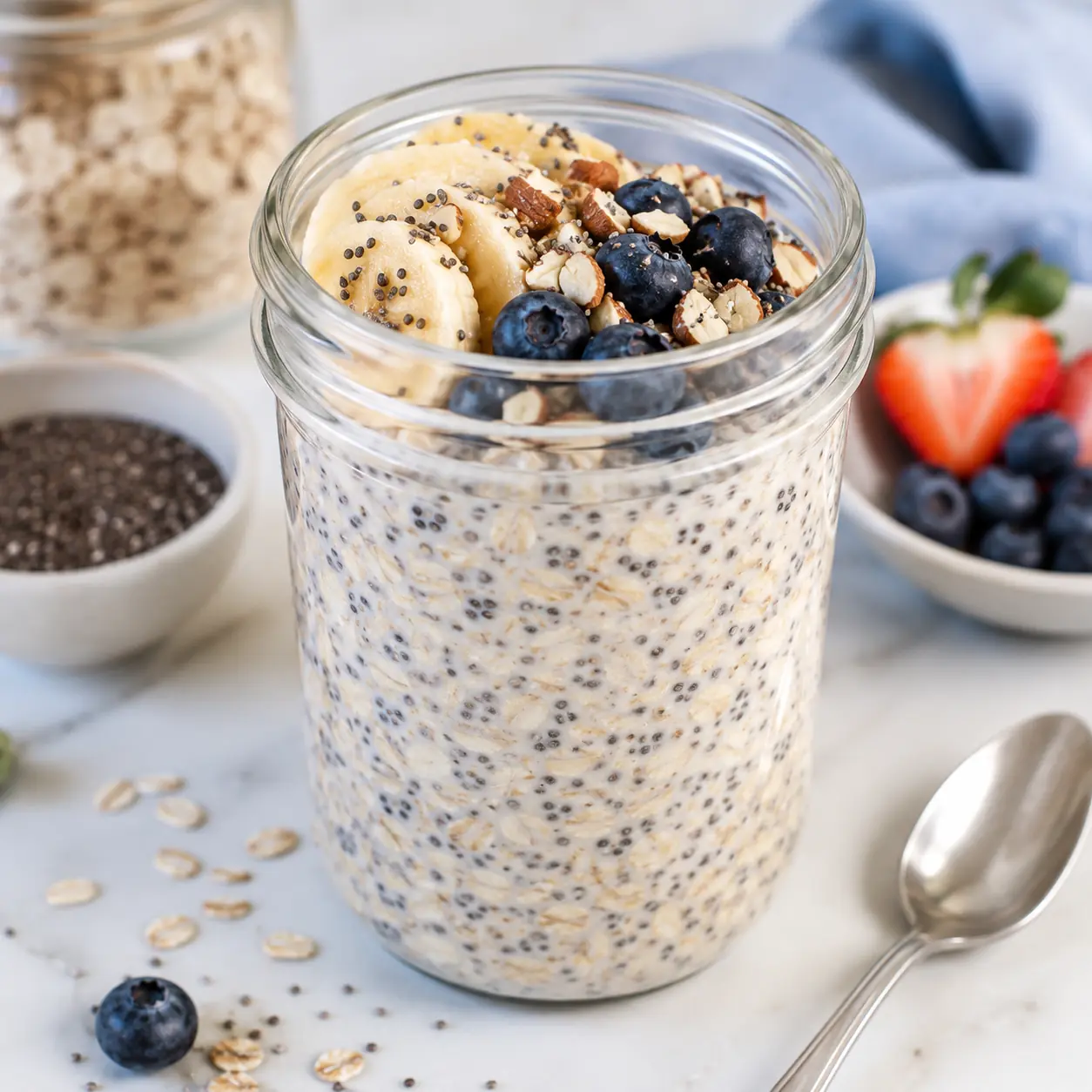
Regularly choosing to eat oat foods, such as oatmeal, can improve heart health by reducing the risk of coronary artery disease and heart attack.1 Oatmeal is a heart-healthy superfood thanks to its fiber and anti-inflammatory content.

⏱️ 2 min read 07/08/2026 15:14

Tomato Nutrition Facts and Health Benefits

Tomatoes are a good source of nutrients, including potassium, vitamin C, fiber, and antioxidants. Research into lycopene, beta-carotene, and other compounds shows that tomatoes hold promise in protecting against kidney disease, heart attack, cancer, and m

⏱️ 2 min read 07/08/2026 15:09

Understanding Blood Sugar

When you eat, your body turns the food into sugar (or glucose) that circulates in your bloodstream. As your blood sugar levels go up, this signals your body to release insulin, a hormone which breaks down the sugar so your body can use it as energy.

⏱️ 2 min read 07/08/2026 14:56

6 Ways Chia Seeds Support Women’s Health Naturally

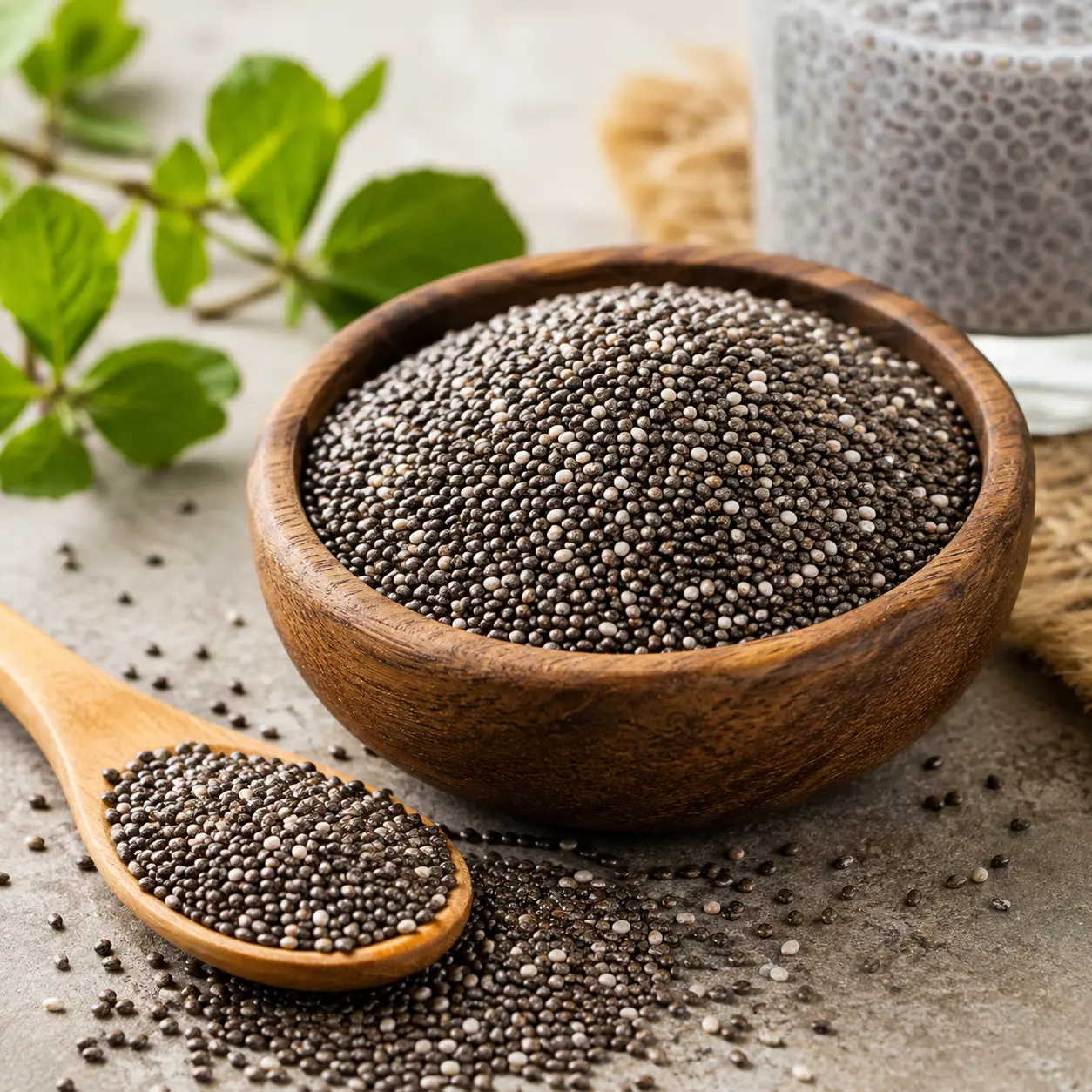
Chia seeds are nutrient-dense and beneficial for women’s health, offering support for heart health, bone strength, and blood sugar management. Their high fiber and omega-3 content make them a valuable addition to any diet

⏱️ 2 min read 07/08/2026 14:38

Early Warning Signs of Fatty Liver Disease

Discover the crucial first red flag signs of fatty liver disease, from fatigue to abdominal discomfort. Learn how to spot the symptoms and take control of your liver health with a blood test.

⏱️ 1 min read 07/08/2026 14:31

Steatotic (Fatty) Liver Disease

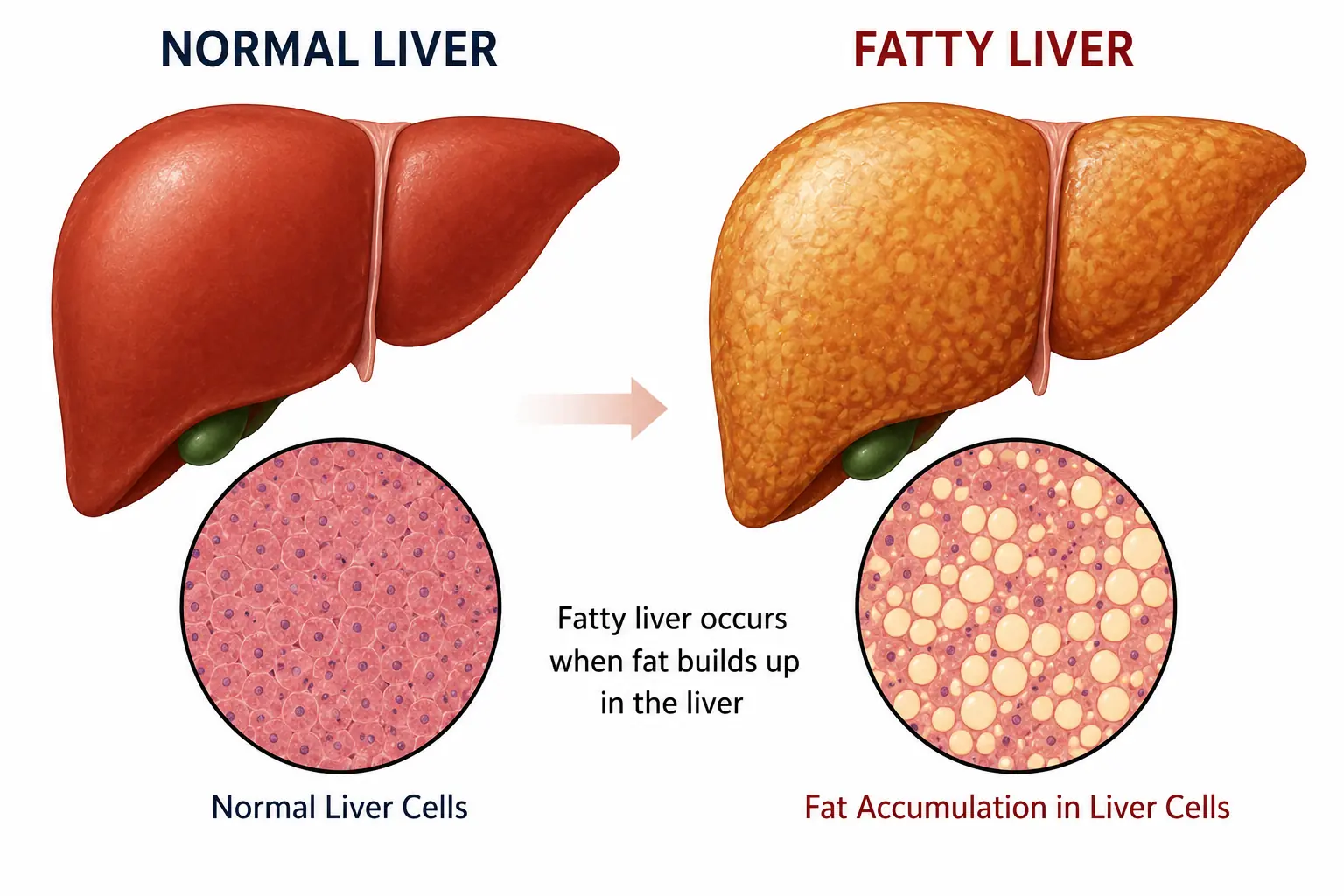
Your liver plays a key role in your health. It has hundreds of important jobs. When too much fat begins to build up (steatosis), it affects how well your liver works. Some types of steatotic (fatty) liver disease are mild, while others can become more ser

⏱️ 2 min read 07/08/2026 14:25

5 Healthy Salad Dressing Oils for Better Heart Health

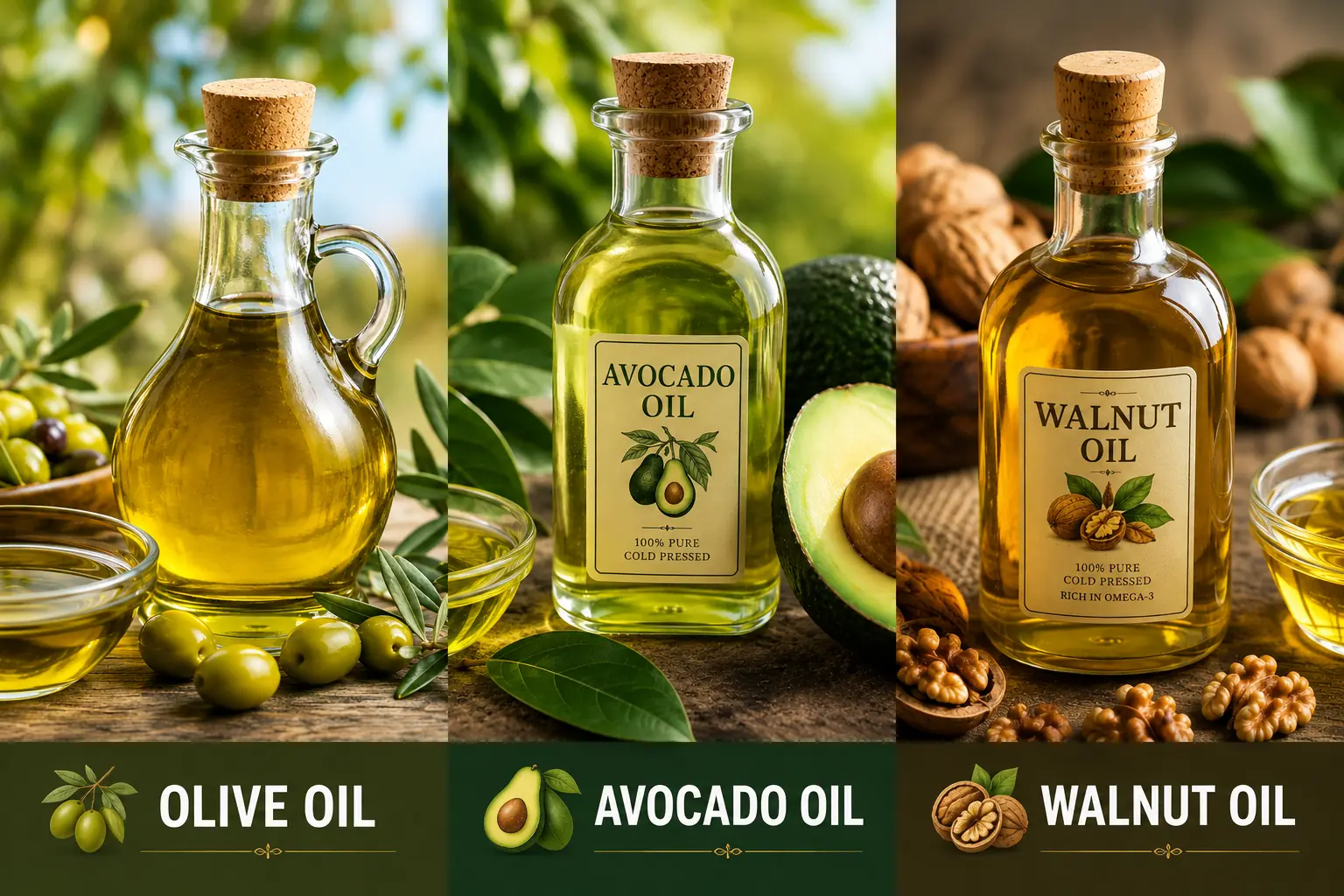
A homemade salad dressing can be one of the easiest ways to add flavor and boost the nutritional content of your meal. But the type of oil you use matters, since different oils offer various amounts of unsaturated fats, antioxidants, and plant compounds b

⏱️ 2 min read 07/08/2026 14:17

Milk vs. Water: Which Hydrates You Better?

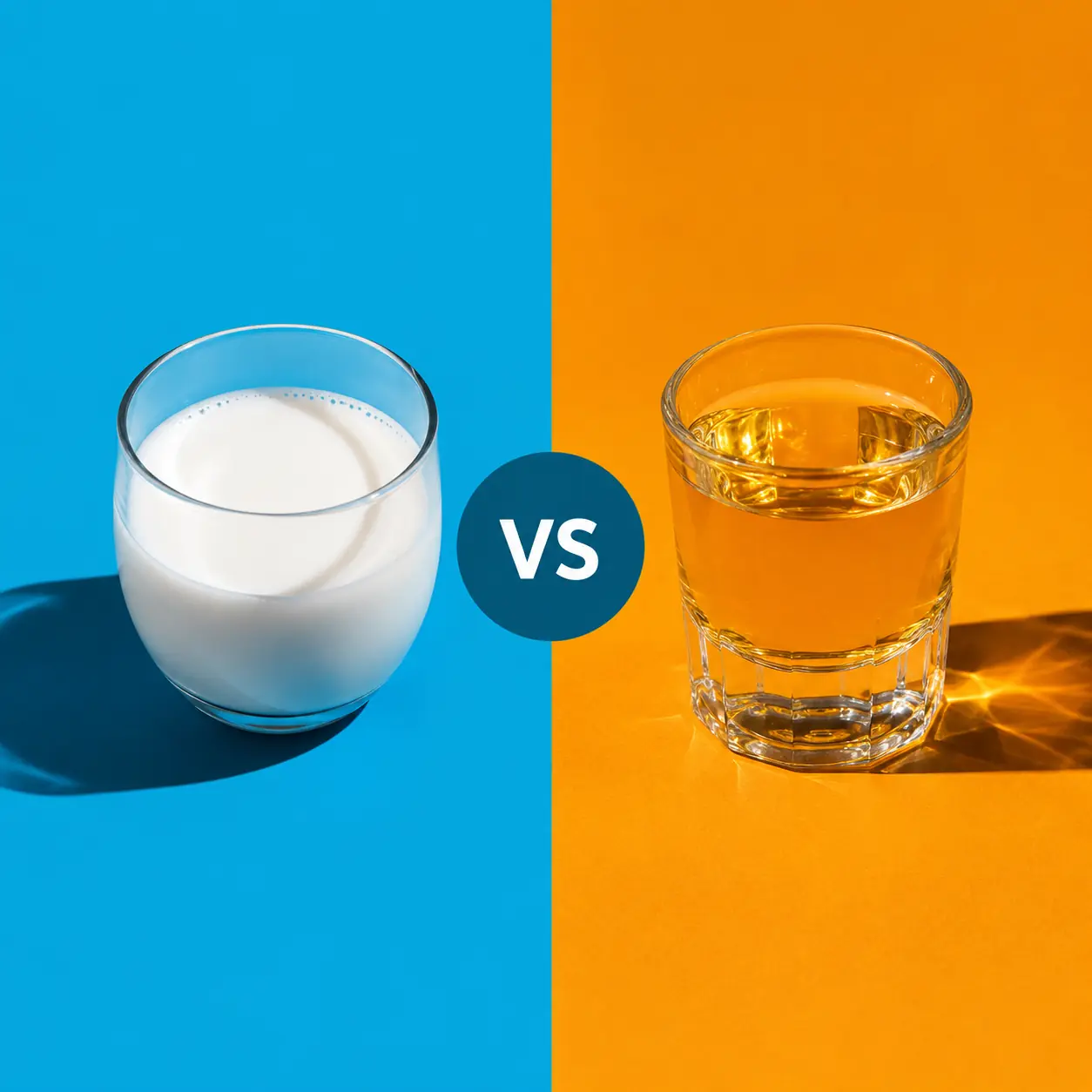
Research suggests milk could hydrate better than water due to its nutrient content, especially after workouts. Yet for daily hydration, sticking with water is recommended.

⏱️ 1 min read 07/08/2026 11:04

News Post

What Happens to Your Heart When You Eat Oatmeal Regularly?

Regularly choosing to eat oat foods, such as oatmeal, can improve heart health by reducing the risk of coronary artery disease and heart attack.1 Oatmeal is a heart-healthy superfood thanks to its fiber and anti-inflammatory content.

⏱️ 2 min read 07/08/2026 15:14

Tomato Nutrition Facts and Health Benefits

Tomatoes are a good source of nutrients, including potassium, vitamin C, fiber, and antioxidants. Research into lycopene, beta-carotene, and other compounds shows that tomatoes hold promise in protecting against kidney disease, heart attack, cancer, and m

⏱️ 2 min read 07/08/2026 15:09

Understanding Blood Sugar

When you eat, your body turns the food into sugar (or glucose) that circulates in your bloodstream. As your blood sugar levels go up, this signals your body to release insulin, a hormone which breaks down the sugar so your body can use it as energy.

⏱️ 2 min read 07/08/2026 14:56

7 Foods With More Fiber Than Corn

Corn provides a moderate amount of fiber, about 3.3 grams (g) per cup (165 g) cooked.1 USDA FoodData Central. Corn, fresh, cooked, no added fat. However, many foods—particularly legumes and some fruits and vegetables—contain even more fiber per s

⏱️ 2 min read 07/08/2026 14:46

6 Ways Chia Seeds Support Women’s Health Naturally

Chia seeds are nutrient-dense and beneficial for women’s health, offering support for heart health, bone strength, and blood sugar management. Their high fiber and omega-3 content make them a valuable addition to any diet

⏱️ 2 min read 07/08/2026 14:38

Early Warning Signs of Fatty Liver Disease

Discover the crucial first red flag signs of fatty liver disease, from fatigue to abdominal discomfort. Learn how to spot the symptoms and take control of your liver health with a blood test.

⏱️ 1 min read 07/08/2026 14:31

Steatotic (Fatty) Liver Disease

Your liver plays a key role in your health. It has hundreds of important jobs. When too much fat begins to build up (steatosis), it affects how well your liver works. Some types of steatotic (fatty) liver disease are mild, while others can become more ser

⏱️ 2 min read 07/08/2026 14:25

5 Healthy Salad Dressing Oils for Better Heart Health

A homemade salad dressing can be one of the easiest ways to add flavor and boost the nutritional content of your meal. But the type of oil you use matters, since different oils offer various amounts of unsaturated fats, antioxidants, and plant compounds b

⏱️ 2 min read 07/08/2026 14:17