Beets may not be the first vegetable that comes to mind when people think about healthy eating. With their deep red-purple color, earthy flavor, and naturally sweet taste, they are often served as a simple side dish, blended into smoothies, or added to salads. Yet this colorful root vegetable contains several nutrients and natural compounds that have attracted considerable attention from nutrition researchers.
What happens when you begin eating beets regularly?
The answer may be more interesting than you expect.
Beets contain dietary nitrates, folate, potassium, fiber, and a group of plant pigments called betalains. Together, these compounds contribute to the vegetable's nutritional value and may support several aspects of health when beets are included in a balanced diet.
However, beets are not a miracle food, and their effects can vary from person to person. Some potential benefits are supported by clinical research, while others remain areas of ongoing investigation.
Understanding both sides can help you decide how to incorporate this vegetable into your meals.
One of the most interesting features of beets is their naturally occurring nitrate content. When you eat nitrate-rich vegetables, certain bacteria in your mouth help convert some of the nitrate into nitrite. The body can then use nitrite to produce nitric oxide, a molecule that helps blood vessels relax and widen.
This process is important because blood vessels need to adjust their diameter to regulate blood flow and circulation.
Researchers have investigated whether eating beets or drinking beetroot juice can influence blood pressure and exercise performance. Some studies have found modest improvements in blood pressure, particularly systolic blood pressure, although the results vary depending on the participants, the amount consumed, and the duration of the study.
That does not mean eating a bowl of beets will immediately lower everyone's blood pressure. Nor does it mean that beets can replace medication prescribed for hypertension.
Instead, the evidence suggests that beets may be one useful component of a heart-conscious eating pattern.
Their nutritional value extends beyond nitrates.
A serving of cooked beets provides fiber, which supports normal digestion, along with folate, a B vitamin needed for DNA synthesis and normal cell division. Beets also supply potassium, a mineral involved in fluid balance, nerve signaling, and muscle function.
Their vivid color comes partly from betalains, pigments that have demonstrated antioxidant activity in laboratory research. Scientists continue to investigate how these compounds behave in the human body and whether consuming them produces meaningful long-term health benefits.
It is important to distinguish promising laboratory findings from proven medical outcomes.
A compound that shows antioxidant activity in a test tube does not automatically prevent disease when consumed as food. Human health depends on many interacting factors, including overall diet, physical activity, genetics, sleep, and existing medical conditions.
Still, beets offer a practical way to add variety and nutrients to everyday meals.
They can be roasted, boiled, steamed, grated raw, or blended into dishes. Their natural sweetness works well with citrus, apples, leafy greens, yogurt, and whole grains.
The most useful question is not whether beets can transform your health overnight.
It is whether regularly eating them can contribute to a dietary pattern that supports your body over time.
The answer is encouraging, particularly when beets replace less nutritious foods rather than simply being added to an already excessive diet.
And one of their most intriguing potential effects begins with a process that takes place inside your blood vessels.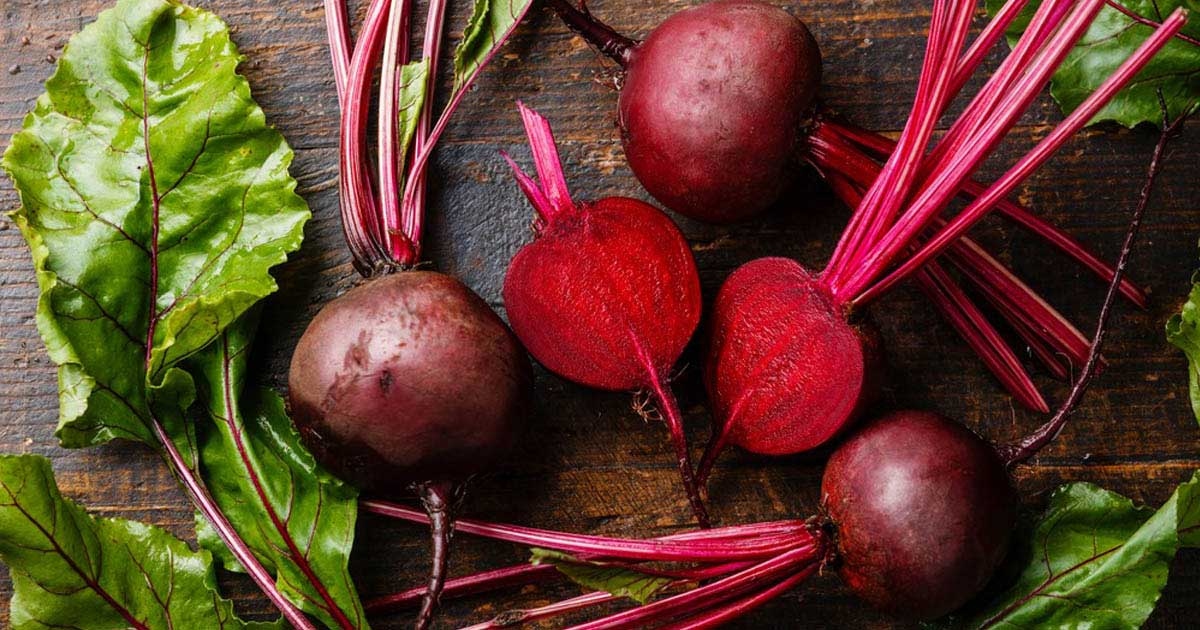
Chapter 2: Beets May Help Support Healthy Blood Pressure
High blood pressure is one of the most important risk factors for cardiovascular disease. It often develops without obvious symptoms, which is why it is sometimes called a silent condition.
Over time, persistently elevated blood pressure can place additional strain on the heart and blood vessels. Managing it generally involves a combination of appropriate medical care, dietary choices, physical activity, and other lifestyle measures.
This is where beets have attracted scientific interest.
Their naturally occurring nitrates can contribute to the body's production of nitric oxide. This molecule helps regulate the relaxation of blood vessels, potentially allowing blood to flow with less resistance.
When blood vessels relax, blood pressure may decrease.
Clinical studies examining beetroot juice have reported modest reductions in blood pressure in some groups of adults. However, not every study produces the same result, and the size of the effect can depend on factors such as baseline blood pressure, the nitrate content of the product, and individual differences in metabolism.
The research is promising, but it should not be exaggerated.
Eating beets does not guarantee a meaningful reduction in blood pressure, and the vegetable should not be used as a substitute for prescribed treatment.
For people who already have hypertension, beets may fit into a broader dietary strategy that emphasizes vegetables, fruits, whole grains, legumes, nuts, and other nutrient-rich foods.
This overall pattern matters more than relying on one ingredient.
For example, someone who eats beets alongside a diet high in sodium, heavily processed foods, and excess calories should not expect the vegetable to cancel out those other factors.
By contrast, replacing a salty, heavily processed side dish with roasted beets may improve the nutritional quality of the meal.
The way beets are prepared also matters.
Fresh beets that are steamed, roasted, or boiled without excessive salt can be a nutritious option. Pickled beets may contain substantial added sodium, depending on the recipe and brand. Beet products also vary widely in their nitrate concentration.
Another point deserves attention: the mouth plays a role in the body's nitrate pathway.
Certain oral bacteria help convert nitrate into nitrite. Research suggests that using strong antibacterial mouthwash may interfere with this process in some circumstances, although the clinical implications depend on the situation.
You should not stop a prescribed oral treatment simply to increase the potential benefits of beets. If you use mouthwash for a medical or dental reason, ask your dentist or clinician before changing your routine.