If you take medication or have a medical condition, consult a qualified professional before using high-concentration products regularly.
Ultimately, neither whole beets nor juice is automatically superior in every situation.
Whole beets are a convenient source of fiber and nutrients. Juice may be useful for people who prefer it or are interested in the specific effects of dietary nitrate.
The better choice is the one that fits your goals, your health circumstances, and a balanced dietary pattern.
Chapter 9: Simple Ways to Add Beets to Your Daily Meals
Eating more vegetables does not have to mean following a complicated meal plan.
Beets are versatile enough to fit into breakfasts, lunches, dinners, and snacks. Their sweet, earthy flavor works well with ingredients that provide acidity, freshness, crunch, or creaminess.
One easy option is roasted beets.
Wash the beets, trim the leaves, and roast them until tender. After they cool, remove the skins if desired and cut them into bite-sized pieces. Add olive oil, a little lemon juice, and herbs for a simple side dish.
Roasting brings out their natural sweetness and can make them appealing to people who find raw beets too earthy.
Another option is a beet salad.
Combine cooked beets with leafy greens, orange segments, nuts, and a modest amount of cheese. The citrus adds brightness, while the nuts contribute texture and healthy fats.
For a more substantial meal, serve the salad with beans, lentils, eggs, fish, or another protein source.
This creates a more balanced dish than eating beets alone.
You can also grate raw beets into salads or slaws. Pair them with carrots, cabbage, apples, and a dressing made with lemon juice or vinegar.
If you prefer warm food, add cooked beets to soups or grain bowls. They work particularly well with lentils, barley, brown rice, and roasted root vegetables.
For breakfast, small amounts of cooked beetroot can be added to a smoothie with yogurt, berries, or citrus fruit. If you use a blender, keeping the pulp retains more fiber than extracting the juice and discarding the solids.
Beets can also be purchased canned or pre-cooked for convenience. Check the label if you are trying to limit sodium or added sugar, since prepared products vary.
Fresh beet greens are edible as well, provided they are fresh and prepared appropriately. They can be washed and cooked like other leafy greens, adding another way to use the vegetable.
When preparing beets, remember that their pigments can stain hands, cutting boards, and clothing. Using a suitable cutting board and washing utensils promptly can make cleanup easier.
There is no need to eat beets every day to benefit from including them in your diet.
A varied selection of vegetables is generally more useful than concentrating exclusively on one.
You might eat beets a few times a week, then rotate them with broccoli, carrots, spinach, cabbage, tomatoes, and other vegetables.
This approach provides different nutrients and flavors while helping prevent meals from becoming repetitive.
The most sustainable eating habits are usually those that fit naturally into your life.
Choose preparations you enjoy, keep portions appropriate for your needs, and focus on consistency rather than perfection.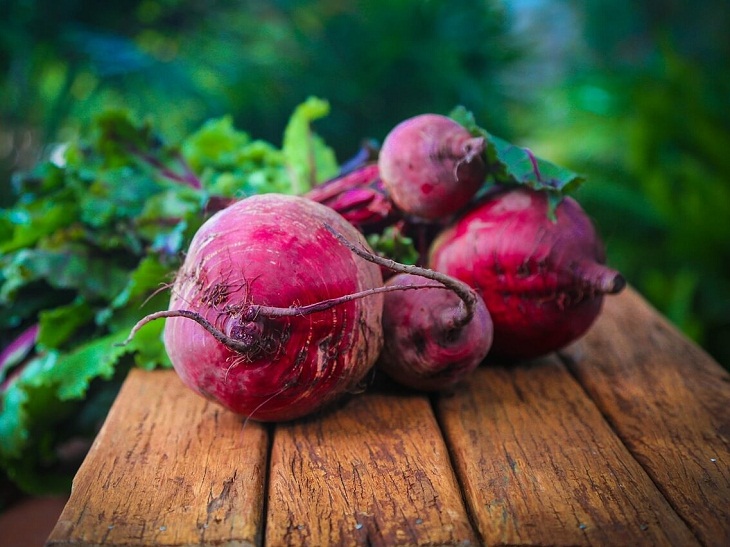
Chapter 10: What Experts Really Want You to Understand About Beets
Beets have earned their reputation as a nutritious vegetable, but their true value is best understood without exaggeration.
They contain dietary nitrates that may support nitric oxide production and modestly influence blood pressure. Some research suggests that nitrate-rich beetroot products may also benefit certain aspects of exercise performance.
Their fiber can contribute to normal digestion, while folate and potassium support essential bodily functions. Their distinctive betalain pigments have antioxidant properties that scientists continue to investigate.
These are meaningful reasons to include beets in a varied diet.
At the same time, important limitations remain.
The effects of beets are not identical for everyone. Some studies report benefits that other studies do not reproduce. Research involving concentrated juice may not directly translate to ordinary servings of cooked vegetables.
Laboratory evidence about plant compounds does not automatically prove that eating a food prevents or treats a specific disease.
And no single vegetable can compensate for an otherwise poor diet or replace necessary medical treatment.
For most people, the practical approach is straightforward: enjoy beets in reasonable portions, prepare them in ways that limit unnecessary added salt and sugar, and combine them with a variety of other nutrient-rich foods.
People with a history of certain kidney stones, those who need to manage potassium intake, and individuals considering concentrated beetroot products while taking blood-pressure medication may benefit from personalized professional advice.
If you notice red or pink urine after eating beets, the pigment may be responsible. However, unexplained or persistent discoloration should be evaluated rather than automatically dismissed.
These precautions do not diminish the value of beets. They simply put the vegetable into a realistic health context.
Perhaps the most important lesson is that healthy eating rarely depends on discovering one extraordinary ingredient.
It is usually the result of many ordinary decisions repeated over time: eating enough vegetables, choosing appropriate portions, drinking adequate fluids, remaining physically active, getting sufficient sleep, and following medical advice when needed.
Beets can be part of that pattern.
They are colorful, versatile, and rich in several nutrients and compounds worth understanding. Whether roasted for dinner, added to a salad, blended into a smoothie, or served as a simple side dish, they offer an easy way to diversify your meals.
So, the next time you see beets at the grocery store, you may want to give them another look.
Their effects on the body may be more interesting than their appearance suggests—but the greatest benefit comes from treating them as one useful part of a balanced lifestyle, rather than expecting a single food to do everything.
The bottom line: Beets may support healthy blood pressure, contribute to digestive health, and provide nutrients that help your body function normally. They are not a miracle cure, but when eaten as part of a varied diet, they can be a worthwhile addition to your everyday meals.