Blood in the urine or stool can also be a sign of a medical problem. If the discoloration is unexplained, persists, recurs, or is accompanied by pain, weakness, dizziness, or other concerning symptoms, seek medical advice.
Beets can influence digestion and the appearance of bodily waste, but they should not be used to explain away symptoms that might require evaluation.
The larger lesson is simple: a food can have noticeable effects without those effects necessarily indicating either a benefit or a danger.
Understanding what is normal for your body can help you distinguish harmless changes from signs that deserve attention.
Chapter 5: Beets Contain Antioxidants, but What Does That Really Mean?
The intense red and purple color of many beets comes from plant pigments called betalains.
These compounds have attracted scientific interest because of their antioxidant properties and their potential role in biological processes related to inflammation and cellular stress.
To understand why researchers care about antioxidants, it helps to know a little about oxidative stress.
The body naturally produces reactive molecules during normal metabolism and in response to environmental exposures. Antioxidant systems help regulate these molecules and limit damage when their levels become excessive.
Dietary plant compounds can interact with these systems in different ways.
Beets contain betalains, while also supplying other nutrients and phytochemicals that contribute to their nutritional profile.
Laboratory studies have investigated the antioxidant activity of beet compounds, and some early human research has explored possible effects on markers associated with inflammation and oxidative stress.
However, a critical distinction must be made.
Evidence that a compound behaves as an antioxidant in laboratory conditions does not prove that eating beets prevents cancer, reverses aging, or treats a chronic inflammatory disease.
Human bodies are complex, and the effects of individual foods cannot be predicted from laboratory findings alone.
The amount absorbed, how the compound is metabolized, the person's existing health, and the rest of the diet all influence the final outcome.
This is why nutrition experts generally recommend eating a variety of colorful plant foods rather than focusing on a single so-called superfood.
Different vegetables and fruits provide different combinations of fiber, vitamins, minerals, and plant compounds. A varied diet is more likely to supply a broad range of nutrients than repeatedly relying on one ingredient.
Beets can be part of that variety.
You might combine them with leafy greens, carrots, tomatoes, beans, berries, or citrus fruits. Each food contributes a different nutritional profile, and the combination can make meals more interesting as well as nutritious.
The preparation method matters, too.
Roasting beets can intensify their sweetness, while steaming or boiling can soften their texture. Some nutrients and pigments may be affected by cooking, but that does not mean raw beets are always superior or that cooked beets lose all their value.
The practical goal is to find preparation methods that help you eat vegetables consistently.
It is also wise to be cautious about supplements marketed as concentrated antioxidant solutions. A product containing isolated compounds may not reproduce the effects of eating a whole food, and high doses can have risks that differ from ordinary dietary intake.
If you enjoy beets, there is no need to treat every serving as a medical intervention.
Enjoy them as part of a varied diet, and be skeptical of claims that a single food can detoxify the body, eliminate inflammation, or prevent a specific disease on its own.
The body already has sophisticated systems for processing waste and regulating its internal environment, particularly through the liver and kidneys.
Healthy eating supports these systems by providing adequate nutrients and helping reduce risk factors over time.
Beets can contribute to that process without being assigned extraordinary powers.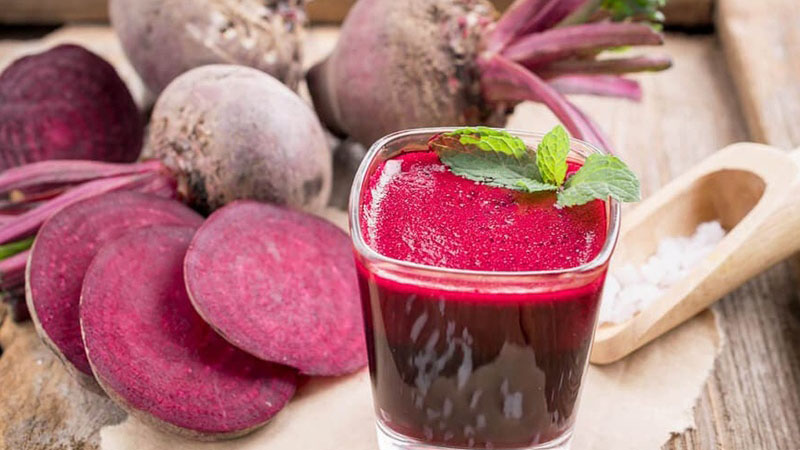
Chapter 6: Folate, Potassium, and Other Nutrients Your Body Needs
Beyond their pigments and nitrates, beets supply several essential nutrients that help the body function normally.
One of the most notable is folate, also known as vitamin B9.
Folate is involved in DNA synthesis, cell division, and the formation of red blood cells. Adequate intake is particularly important before and during early pregnancy because folate helps reduce the risk of neural tube defects in a developing baby.
Beets can contribute to dietary folate intake, but they should not be considered a replacement for recommended folic acid supplementation during pregnancy or when planning a pregnancy.
Anyone who is pregnant or could become pregnant should follow guidance from a qualified healthcare professional about the appropriate amount of folic acid.
Beets also contain potassium, an essential mineral involved in maintaining fluid balance, supporting nerve transmission, and enabling normal muscle contraction.
Potassium intake is relevant to blood pressure regulation because it helps counter some of the effects of sodium in the diet. However, the benefit comes from an appropriate overall dietary pattern rather than from relying on one potassium-containing vegetable.
People with healthy kidney function can generally obtain potassium from a range of foods, including vegetables, fruits, beans, and dairy products.
For individuals with chronic kidney disease or certain other medical conditions, potassium management may be more complicated. Some may need to limit their intake, depending on their laboratory results and treatment plan.
In that situation, a food's reputation as healthy does not automatically mean that unlimited portions are appropriate.
Beets also contain small amounts of other vitamins and minerals, and their fiber contributes to the overall nutritional value of a meal.
Their naturally sweet taste can make them appealing to people who are trying to include more vegetables in their diet. When prepared without excessive added sugar or salt, they can serve as a flavorful alternative to less nutrient-dense side dishes.
For example, roasted beets can be served with lentils and whole grains. A beet salad can be paired with leafy greens, nuts, and a modest amount of cheese. Cooked beets can also be added to soups or grain bowls.
These combinations provide a wider range of nutrients than beets alone.
It is also useful to consider portion size.