Doctors Reveal What Eating Guava May Do to Your Body 🍈
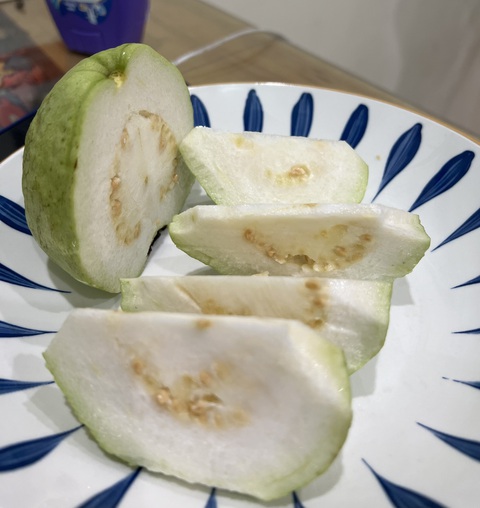
Guava is a tropical fruit enjoyed in many parts of the world for its sweet flavor and impressive nutritional value. Rich in vitamin C, fiber, antioxidants, and other important nutrients, guava is often considered one of the healthiest fruits available.
Doctors and nutrition experts say that eating guava regularly may offer several health benefits. However, like many foods, excessive consumption or certain health conditions may also require caution.
Here’s what experts say may happen when guava becomes part of your regular diet.
1. Your Immune System May Get Extra Support
Guava is especially rich in vitamin C — in some cases containing even more vitamin C than oranges.
Vitamin C helps support:
- Immune function
- Skin health
- Wound healing
- Antioxidant protection
Antioxidants may help protect cells from oxidative stress caused by free radicals.
2. Digestion May Improve
Guava contains dietary fiber, which may help support healthy digestion.
Fiber can help:
- Promote regular bowel movements
- Support gut health
- Reduce constipation risk
Some people also consume guava seeds for additional fiber intake, although excessive amounts may cause digestive discomfort in sensitive individuals.
3. It May Help Support Heart Health

Experts say guava contains nutrients that may support cardiovascular health, including:
- Potassium
- Fiber
- Antioxidants
Some studies suggest guava may help support:
- Healthy blood pressure
- Cholesterol balance
- Blood vessel health
A balanced diet and healthy lifestyle remain important for heart protection overall.
4. Blood Sugar Control May Benefit
Guava has a relatively low glycemic impact compared to many processed sugary foods.
Fiber in guava may help slow sugar absorption, which may support more stable blood sugar levels.
However, people with diabetes should still monitor portions and discuss dietary choices with their healthcare provider.
5. Skin Health May Be Supported
Vitamin C and antioxidants found in guava may help support collagen production and skin health.
Some experts suggest guava nutrients may contribute to:
- Skin repair
- Hydration
- Protection from oxidative damage
Healthy skin also depends on hydration, sleep, and overall nutrition.
6. Guava Leaves Are Also Used Traditionally

In some cultures, guava leaves are used in teas or traditional remedies.
Research continues to explore whether guava leaf compounds may support:
- Digestion
- Blood sugar regulation
- Antioxidant activity
However, doctors say more large-scale studies are still needed.
7. Eating Too Much Guava May Cause Digestive Issues
Although guava is healthy for many people, excessive consumption may sometimes lead to:
- Bloating
- Gas
- Stomach discomfort
- Diarrhea
This may happen because of the fruit’s fiber content.
Experts recommend moderation, especially for people with sensitive digestion.
8. Some People May Need to Be Cautious
People with certain digestive disorders or medical conditions may need personalized dietary advice.
In rare cases, individuals may experience allergic reactions or sensitivity to certain fruits.
Doctors recommend seeking medical advice if unusual symptoms appear after eating guava.
9. Guava Is Low in Calories but Rich in Nutrients
One reason guava is popular in healthy diets is because it provides nutrients without excessive calories.
This makes it attractive for people trying to:
- Maintain weight
- Improve nutrition quality
- Reduce processed snack intake
Fresh whole fruit is generally considered healthier than highly processed fruit products with added sugar.
The Bottom Line
Guava is a nutrient-rich fruit that may support digestion, immunity, heart health, and overall wellness when eaten as part of a balanced diet. Rich in vitamin C, fiber, and antioxidants, it can be a healthy addition to many eating patterns.
However, doctors say moderation still matters, especially for individuals with digestive sensitivity or specific medical conditions.
A varied diet, regular exercise, and healthy lifestyle habits remain essential for long-term health.
Sources
- Harvard T.H. Chan School of Public Health
- Cleveland Clinic – Health Benefits of Guava
- U.S. Department of Agriculture (USDA)