Understanding this cycle explains why aquatic produce can sometimes become a source of infection.
The giant intestinal fluke, scientifically known as Fasciolopsis buski, begins its development when eggs released by adult parasites leave an infected human or animal through feces.
If these eggs reach freshwater, they can continue developing under suitable environmental conditions.
After hatching, microscopic larvae enter the water and seek freshwater snails. These snails serve as intermediate hosts, allowing the parasite to develop through several stages.
Eventually, another type of larva emerges from the snail and swims freely through the water.
This stage is particularly important because it can attach itself to aquatic plants.
After attaching to suitable vegetation, the parasite develops into a more resistant infective stage called a metacercaria.
The metacercaria can remain attached to the plant until the vegetation is consumed by a suitable host.
When a person eats contaminated aquatic vegetation raw or insufficiently cooked, the infective stage can enter the digestive tract.
The parasite then develops into an adult fluke in the small intestine.
This process demonstrates why the growing environment matters so much. A fruit does not need to appear dirty to have been exposed to an infectious organism.
It also explains why contamination cannot be assessed simply by washing away visible mud.
Why Freshwater Snails Matter
Many people assume that parasites spread directly from dirty water into food.
However, the life cycle of the giant intestinal fluke shows that freshwater snails play an essential role.
Without the appropriate environmental conditions and intermediate hosts, the parasite cannot complete its normal development.
This means that the presence of water caltrops alone does not prove that a pond contains the parasite.
A waterway must have the necessary conditions for the parasite's life cycle to continue.
These conditions can vary considerably between locations.
Some ponds are carefully managed for agricultural production. Others may be affected by poor sanitation, animal waste, and uncontrolled water contamination.
The distinction is important because the same species of aquatic plant can be harvested from environments with very different levels of food-safety risk.
What Symptoms Can Appear After Eating Contaminated Aquatic Plants?
A parasitic infection does not always produce immediate symptoms.
This is one reason why people may fail to connect an illness with something they ate several weeks earlier.
In the case of fasciolopsiasis, the parasite develops inside the small intestine, where it can irritate the intestinal lining.
The symptoms depend partly on the number of adult parasites present and the person's overall health.
Some infections produce mild digestive discomfort, while heavier infections can cause more significant problems.
Common symptoms may include:
-
Abdominal pain or cramping.
-
Persistent diarrhea.
-
Nausea and vomiting.
-
Loss of appetite.
-
Abdominal swelling.
-
General weakness.
-
Unexplained digestive discomfort.
These symptoms can resemble many other gastrointestinal illnesses.
For example, bacterial food poisoning may cause abdominal pain and diarrhea. Viral infections can also produce nausea and vomiting.
Therefore, symptoms alone cannot confirm the presence of an intestinal parasite.
A healthcare professional may need to consider the person's food history, travel history, symptoms, and appropriate laboratory investigations.
Why Abdominal Pain Deserves Attention
Abdominal pain is one of the symptoms that can appear in people with intestinal parasitic infections.
The discomfort may be mild at first and become more noticeable over time.
Some people describe recurring cramps, while others experience a persistent feeling of pressure or fullness.
The location and intensity of abdominal discomfort can vary.
However, abdominal pain has many possible causes, and it should never automatically be attributed to parasites.
People who develop severe or persistent pain, particularly when accompanied by vomiting, fever, dehydration, or abdominal swelling, should obtain medical assessment.
Severe abdominal pain should not be ignored simply because the person believes it may be related to something they ate.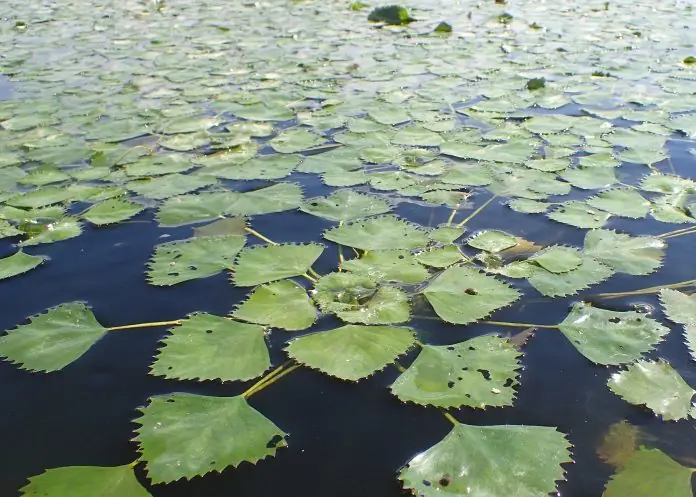
Can a Parasitic Infection Cause Diarrhea?
Yes.
Intestinal parasites can irritate the digestive tract and interfere with normal intestinal function.
Depending on the infection, this may lead to diarrhea, abdominal discomfort, and changes in appetite.
Repeated diarrhea can become a significant concern because the body loses water and electrolytes.
Older adults, young children, and people with underlying health conditions may be particularly vulnerable to complications associated with dehydration.
Warning signs of dehydration include:
-
Unusual thirst.
-
Dry mouth.
-
Reduced urination.
-
Dark-colored urine.
-
Dizziness.
-
Weakness.
-
Feeling faint.
If these symptoms occur alongside persistent diarrhea or vomiting, medical attention is important.
Can Heavy Infections Become Dangerous?
Although not every infection causes severe illness, a heavy burden of intestinal flukes can produce serious complications.
A large number of adult parasites can irritate the intestinal lining and interfere with normal digestive activity.
In severe cases, intestinal obstruction may occur.
This is a potentially serious condition because food and digestive contents cannot move normally through the affected part of the intestine.
Symptoms of possible obstruction can include severe abdominal pain, repeated vomiting, marked abdominal swelling, and inability to pass stool or gas.
These symptoms require urgent medical evaluation.
It is important to emphasize that such complications are not the expected result of eating one ordinary water caltrop.
The risk depends on whether the food is contaminated, whether infective stages are present, and the extent of exposure.
Sensational headlines should not replace a realistic understanding of how parasitic infections actually develop.