Tonsil Stones are small, hardened deposits that can form in the crevices of the tonsils. While they are usually not dangerous, they can be uncomfortable, unpleasant-smelling, and frustrating for people who experience them repeatedly.
Many people don’t even realize they have tonsil stones until they notice:
- Bad breath that won’t go away
- A strange feeling in the throat
- Small white or yellow lumps near the tonsils
Although tonsil stones are common, there’s still a lot of confusion about what causes them and how to prevent them from returning.
Here’s everything you should know.
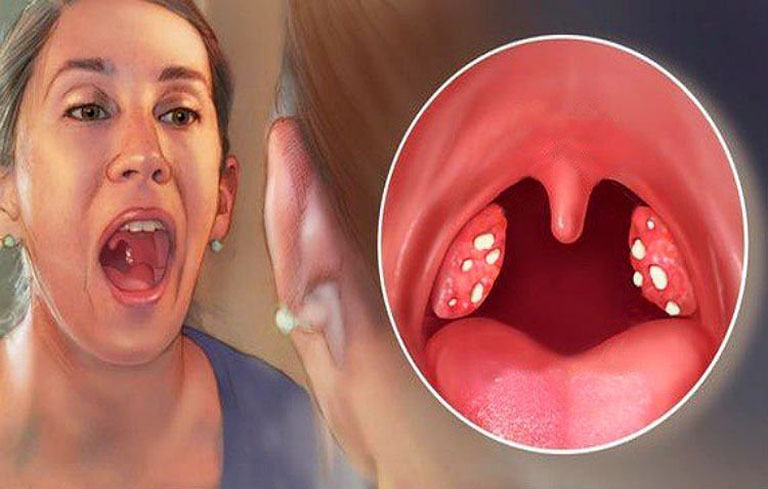
What Exactly Are Tonsil Stones?
Tonsil stones form when debris becomes trapped inside tiny pockets in the tonsils called crypts.
This debris may include:
- Food particles
- Mucus
- Dead cells
- Bacteria
Over time, the material can harden and calcify, creating small stone-like formations.
They are often:
- White or yellowish
- Soft or firm
- Small like grains of rice, though sometimes larger
Why Do Tonsil Stones Form?
Several factors may increase the likelihood of developing tonsil stones.
Common Causes Include:
- Deep tonsil crypts
- Chronic tonsil inflammation
- Poor oral hygiene
- Excess mucus or postnasal drip
- Frequent throat infections
People with larger or more irregular tonsils tend to experience them more often because debris becomes trapped more easily.
The Most Common Symptom: Bad Breath
One of the biggest complaints linked to tonsil stones is persistent bad breath, also known as Halitosis.
This happens because bacteria trapped inside the stones produce sulfur compounds with a strong odor.
In some cases, bad breath may be the only symptom.
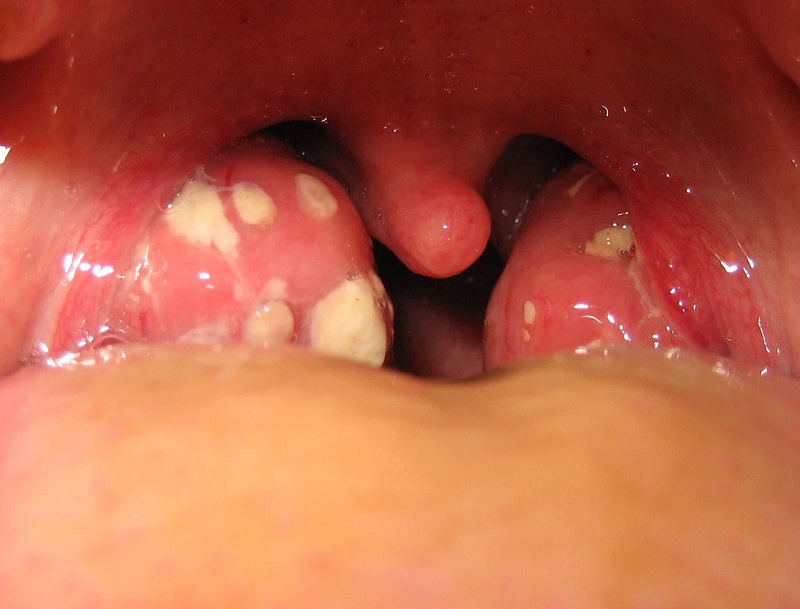
Other Symptoms of Tonsil Stones
Depending on their size and location, tonsil stones may cause:
- Sore throat
- Difficulty swallowing
- Ear discomfort
- Feeling like something is stuck in the throat
- Visible white spots on the tonsils
Some people also experience coughing or irritation.
Are Tonsil Stones Dangerous?
In most cases, tonsil stones are harmless.
However, they can become:
- Recurrent
- Uncomfortable
- Socially embarrassing because of odor
Rarely, large stones may cause more significant discomfort or infection-like symptoms.
How to Remove Tonsil Stones Safely
There are several methods people commonly use to manage tonsil stones.
1. Gargling Salt Water
Warm salt water may help:
- Loosen stones
- Reduce bacteria
- Ease throat irritation
2. Good Oral Hygiene
Brushing and flossing regularly can reduce bacterial buildup.
Cleaning the tongue is also important because bacteria often collect there.
3. Gentle Irrigation
Some people use low-pressure oral irrigators carefully to flush out debris.
However, excessive pressure may injure the tonsils.
What NOT to Do
Avoid aggressively poking the tonsils with:
- Sharp objects
- Fingernails
- Hard tools
This can cause:
- Bleeding
- Infection
- Tissue injury
If stones are difficult to remove or keep returning, professional evaluation is safer.
Can Tonsil Stones Be Prevented?
While not always preventable, the risk may be reduced by:
- Maintaining excellent oral hygiene
- Drinking enough water
- Treating sinus or allergy problems
- Gargling regularly
- Reducing bacterial buildup in the mouth
Consistent habits often make a noticeable difference.
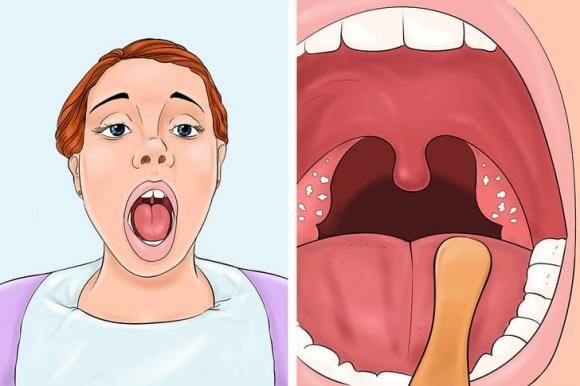
When Should You See a Doctor?
Medical evaluation is recommended if:
- Tonsil stones become very frequent
- Severe pain develops
- Swallowing becomes difficult
- Fever or infection symptoms appear
- One tonsil becomes unusually enlarged
An ear, nose, and throat specialist may suggest additional treatments in recurrent cases.
Can Tonsils Be Removed?
For severe recurrent problems, some people undergo Tonsillectomy.
This is usually considered only when:
- Tonsil stones are chronic
- Symptoms significantly affect quality of life
- Repeated infections occur
Doctors typically explore less invasive options first.
Final Thoughts
Tonsil stones are common, usually harmless, and often manageable with proper oral hygiene and throat care. However, they can still be uncomfortable and frustrating - especially when bad breath or repeated recurrence becomes a problem.
Understanding how they form and taking preventive steps may help reduce symptoms and keep them from returning as often.
And while tonsil stones are rarely serious, persistent throat issues should always be checked professionally to rule out other conditions.